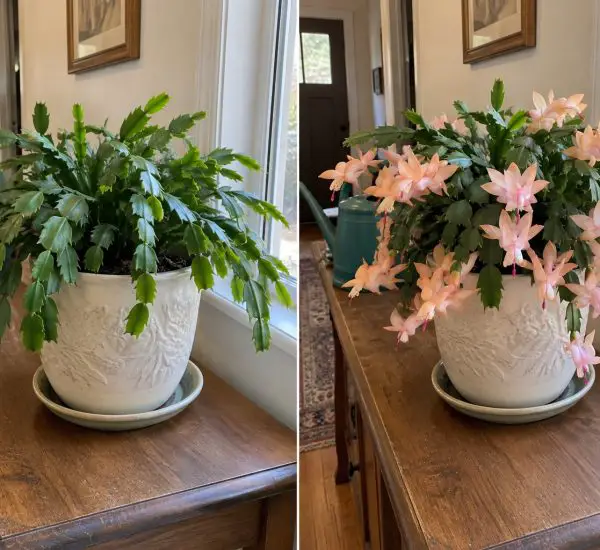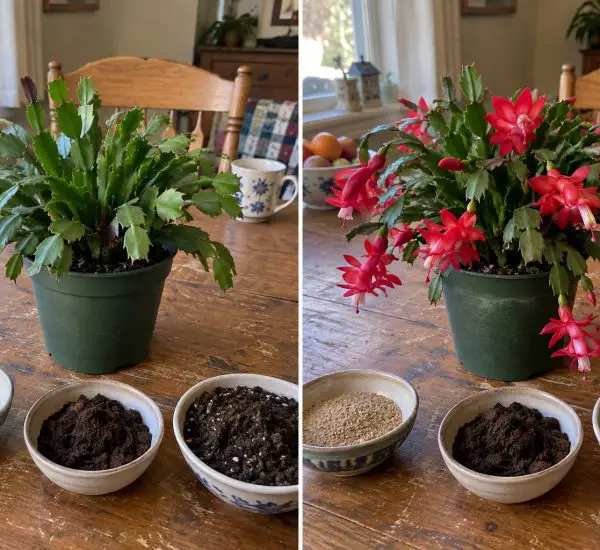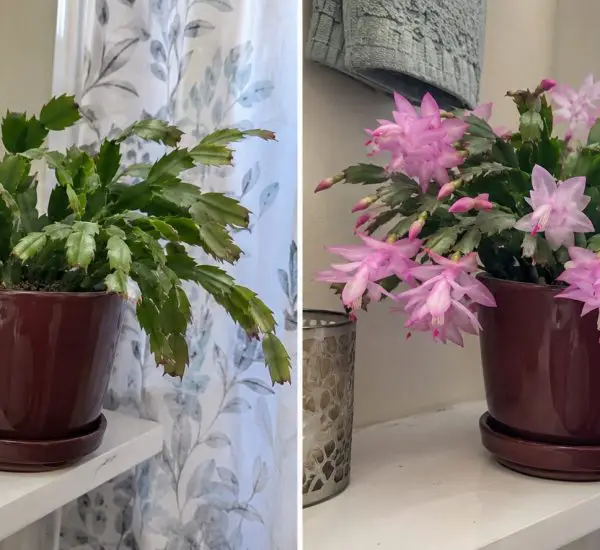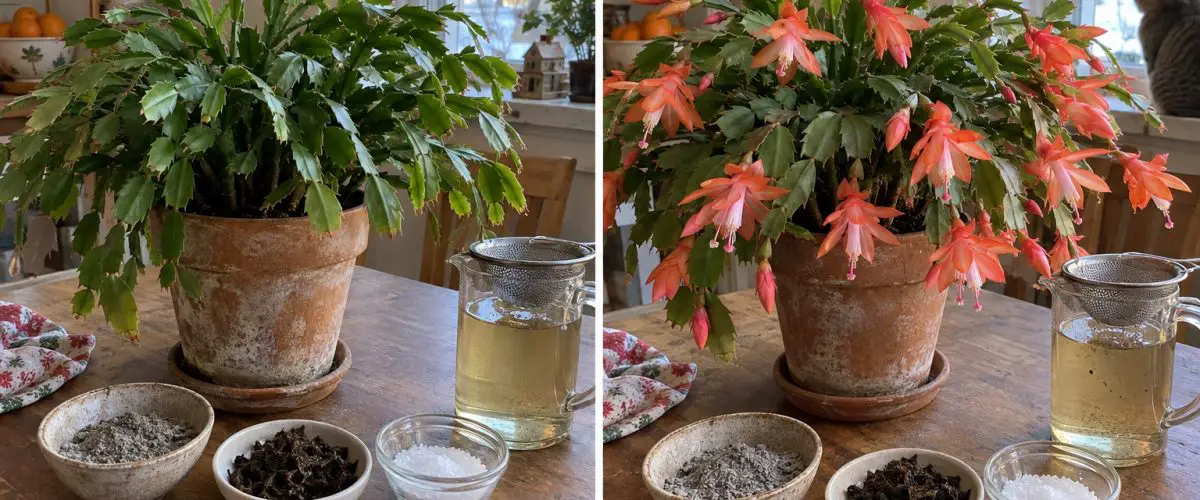
Few indoor plants feel as festive as a Christmas cactus in full winter bloom. Schlumbergera is popular because it is easy to grow, but getting it to flower every year is sometimes another matter. When yours remains without flowers for several seasons, simple adjustments and a natural feed can help bring its potential back into view.
This guide works through the steps that encourage and prolong flowering. The approach uses gentle, inexpensive care and an easy mixture made from kitchen and garden ingredients. Even plants that seem unwilling to bloom can benefit when the routine brings together a seasonal rest, controlled light, and the right nourishment.
Understanding the Lack of Flowers
Schlumbergera has the needs of a tropical succulent from damp, shaded forest, rather than those of an ordinary desert cactus. When its care misses that difference, the flower display can fail to develop.
- An overly warm or bright environment before bloom time.
- Uneven watering cycles.
- Missing the early-autumn dormant period.
- Nutrient imbalance, especially a shortage of phosphorus.
- Stress from moving the pot often, cold drafts, or sudden temperature shifts.
Cooler air and shorter days naturally signal flowering. Providing those conditions imitates the seasonal winter setting that the plant responds to in its original habitat.
The Steps That Encourage a Bloom
Start with rest and darkness before adding the natural feed. This sequence helps your Christmas cactus flower more reliably and produce a fuller display. Each step contributes to the seasonal conditions that encourage its buds.
Think of the method as a sequence that follows the season. Rest and longer dark nights come first, helping the plant begin its buds. The natural mixture then becomes part of care through preparation and flowering, in the measured amounts described below. Keep the environment steady once buds show, continue gentle care through the display, and finish with the quieter resting stage. Those steps belong together in the cycle rather than being separate tricks used at random.
1. Start With a Rest
In late September or early October, begin watering only every two to three weeks. Choose a room at 13–15°C and keep the light indirect. This quieter period copies the natural cycle and encourages buds to develop. Allow the pause to take its place in the routine instead of treating autumn like the months of active growth.
2. Provide Longer Dark Nights
Give at least 12–14 hours of darkness every day for about three to four weeks. Covering the plant with a box or placing it in a dark room at night can help. Adjusting the photoperiod in this way is a necessary part of initiating flower buds.
3. Offer Phosphorus-Rich Natural Feeding
The added boost is a natural fertilizer rich in phosphorus. It encourages healthy bud formation and generous flowering without a complicated preparation. Use the simple ingredients below to make it, then combine that feeding with the rest and light changes already built into the routine.
Making the Natural Bloom Feed
Ingredients:
- 1 teaspoon wood ash or bone meal as the phosphorus source.
- 1 teaspoon brewed black tea leaves or a mild chamomile infusion, supplying potassium and trace elements.
- 1 litre lukewarm water.
- Optional: a little pinch of Epsom salt, also called magnesium sulfate, for stronger segments and longer-lasting flowers.
Method:
- Mix the ingredients together in a container.
- Allow one to two hours for steeping, then filter out the solid material.
- Water with about 100–150 ml of the solution every two weeks from late October to January, during preparation for bloom and the flowering stage.
How the Plant Should Respond
After roughly two weeks, look for small buds at the ends of the leaf-like joints. Carry on caring for the plant while those first signs develop.
- Buds enlarge before opening into pink, red, white, or peach flowers.
- Healthy green segments remain, and older stems grow firmer.
- The bright flower display lasts longer and may continue to the end of winter.
Keeping Flowers Going and Preparing for the Next Round
- Leave the pot in place after buds appear. Changed light and drafts may cause bud drop.
- Keep the room around 18–21°C once flowering has begun.
- Mist the plant gently to maintain humidity, particularly when indoor heating dries the air.
- When flowering finishes, give a four- to six-week pause with reduced water and no feeding.
This care follows the plant from budding through bloom and back into rest, keeping the seasonal rhythm together rather than stopping attention as soon as flowers open.
Care Habits That Work Against Flowers
- Too much water: Roots are sensitive to rot. Use a free-draining mix and water when the upper centimetre is dry.
- A standard cactus mix: This plant favors rich, well-aerated soil that retains moisture.
- Too much light or warmth before flowering: A cooler, darker stage is needed to start the process.
- Exclusive use of nitrogen-rich feed: It favors leaf growth instead of flowers.
Let the Seasonal Routine Do Its Work
With enough rest, managed light, and natural nourishment, Christmas cactus can become a striking feature of the indoor winter garden. Even in cold months, it can be covered in dozens of bright flowers with a tropical appearance.
Provide the feed, respect the seasonal rhythm, and allow the plant to respond. A reluctant cactus may deliver a more impressive display than you expected. Gentle care and this homemade boost offer a simple route toward enjoying the winter flowers that make Schlumbergera such a cherished houseplant.