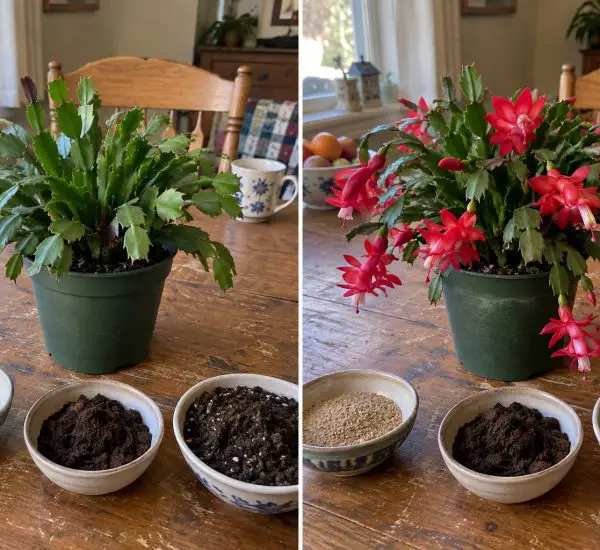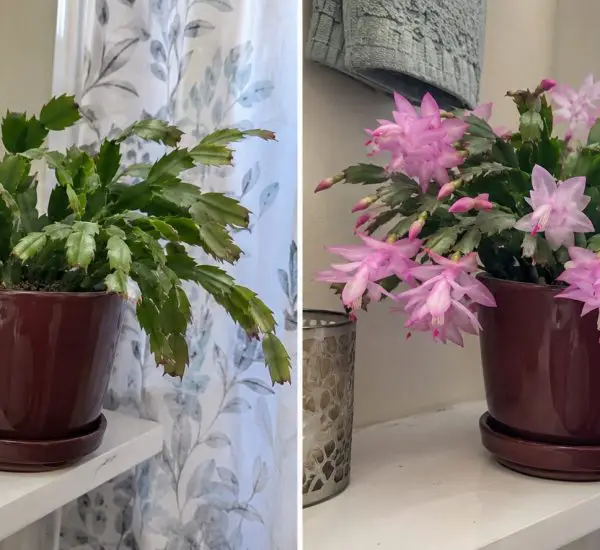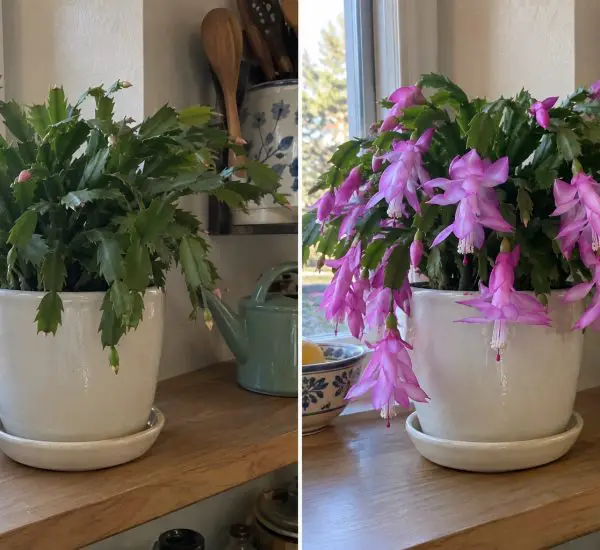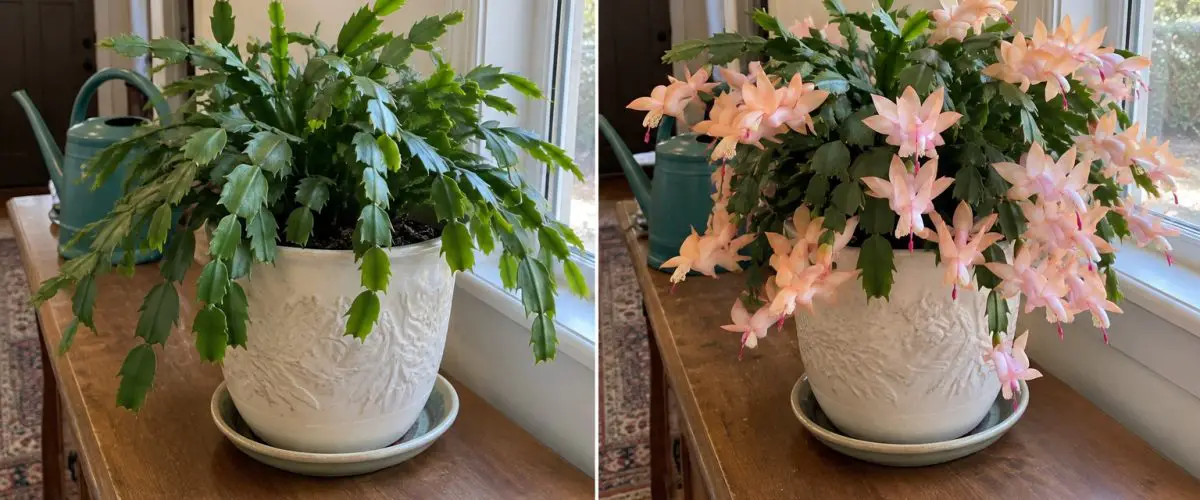
With pink or lilac flowers, the Christmas cactus is a much-loved indoor plant. It sometimes goes by the name Easter cactus, and its scientific name is Schlumbergera. The color of those blossoms helps explain why this flowering houseplant is popular in homes with indoor plant collections.
Its origins differ from cacti that grow in hot, arid deserts. The Christmas cactus and its nearest relatives come from tropical Brazilian forests. They grow on trees and absorb the moisture there. That natural setting helps explain the humid conditions described for growing this plant at home.
How to Plant It
A pot with a hole for drainage should be your choice. It helps stop the soil from becoming excessively wet, allowing surplus water to escape the container. Check for the drainage opening when selecting the pot before you start planting. Keep that drainage in mind when preparing the container.
All kinds of succulent potting soil suit this cactus. Give it a corner with abundant indirect light; the bathroom can be an option. Direct sun might harm the leaves and make them yellow. Keep the brighter position protected from sunlight falling directly on the plant.
The kitchen or bathroom is suggested because this cactus prefers humidity. Keep its requirement for plenty of indirect light in mind while finding a humid place for the pot.
The Care Routine to Follow
Water at two-to-three-week intervals, but only after the upper soil feels too dry to the touch. If there are six inches of growing medium, for instance, wait until the top three to four centimeters have dried. Feel the soil with your fingers to check before watering.
Once the soil is dry, continue watering until water starts running from the drainage hole. Around fifteen minutes later, empty the excess collected in the saucer. Removing that water finishes the process rather than leaving a surplus underneath the cactus.
During blooming, watering is especially important. Pruning at the close of spring stimulates the plant to branch and produce flowers.
Encouraging Christmas Cactus Blooms
The longer nights and cooler temperatures of autumn start the flowering process. Different types can flower from November until mid-spring.
A cactus that does not bloom is probably receiving too much light or standing in an overly warm environment. The following measures help stimulate flowers.
Provide at least six weeks of nights lasting fourteen hours or longer, and days of eight to ten hours. If many lights remain on overnight in your home, cover the plant or move it somewhere less illuminated. That adjustment gives it the long nights described here.
Buds form best at 10°C–15°C. Exposing the plant to approximately 7°C for several consecutive nights can also stimulate its flowering. These cooler temperatures form another way to encourage the display.
Do not discard a cactus after it loses its buds in one year. It should come back into flower the following year.
Common Problems to Recognize
A stressed Christmas cactus sheds flowers. Too much light, excessive watering, or a sudden temperature shift can cause this. Look at these possible stresses if the blossoms begin dropping from your plant.