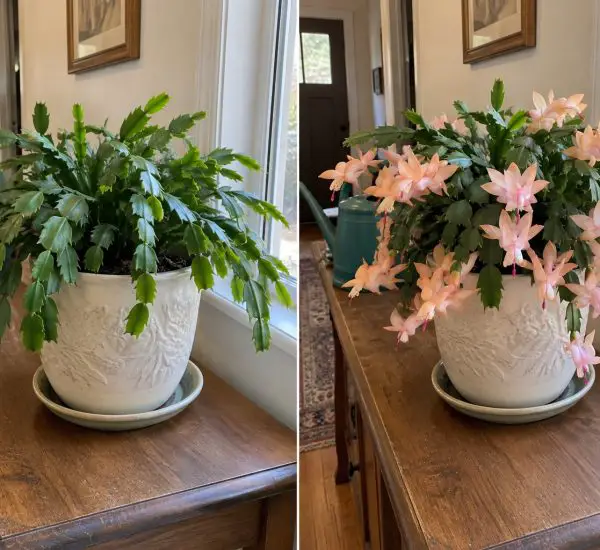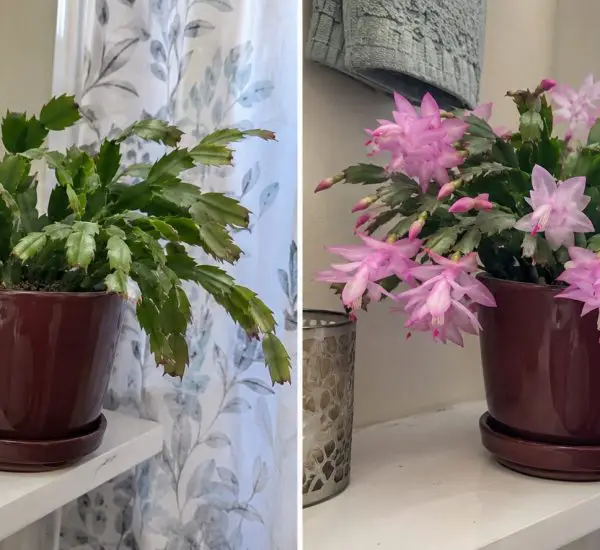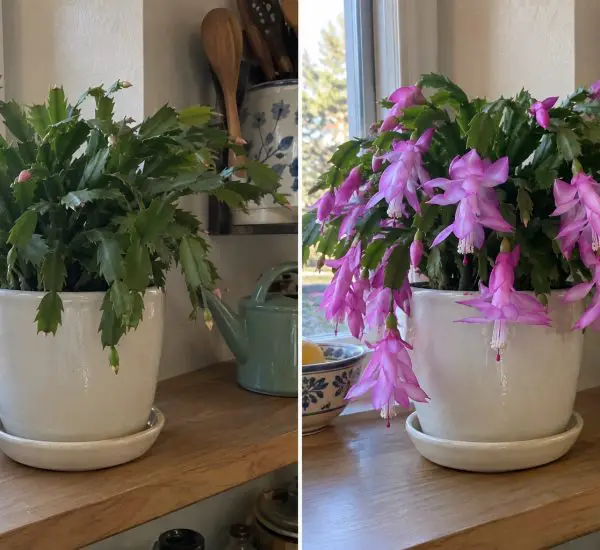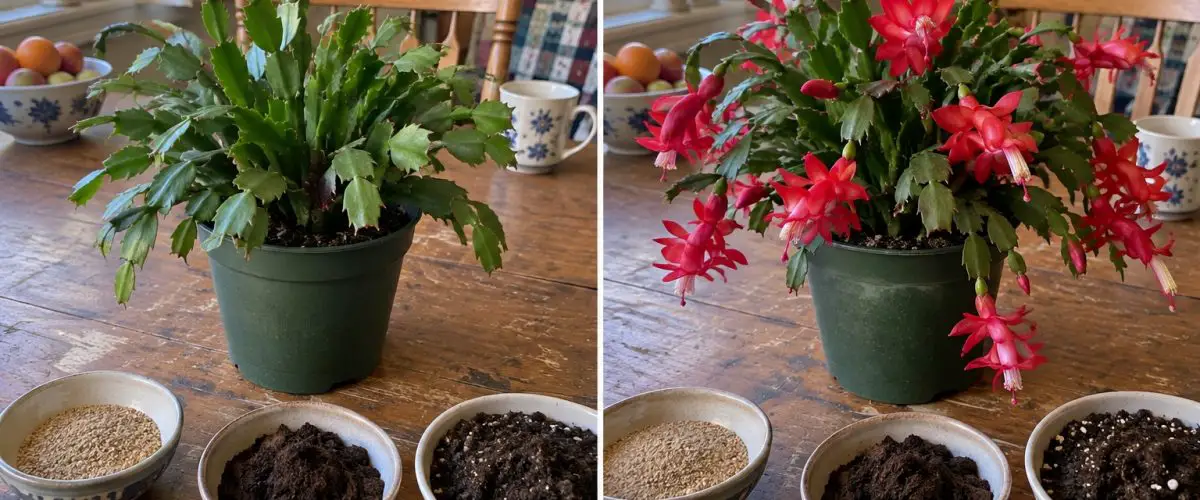
The Christmas cactus is a lovely winter-flowering houseplant that brings a touch of color to almost any interior. Sometimes also called Easter cactus, it is named here as Schlumbergera bridgessii. Its blossoms brighten the rooms where you keep your indoor plants and enjoy their seasonal display.
It is a familiar plant that is straightforward to maintain and to multiply. With simple tricks, it can flower continuously as well. Begin by preparing a healthy stem segment, then use the care steps below to supply the conditions that encourage healthy, abundant blooming.
Cut a small segment in the shape of a Y from a stem tip. Only take it from a healthy portion of the plant. Choose that portion carefully before removing the piece, because the segment you cut will be planted to start a new Christmas cactus.
Plant approximately a quarter of its length into lightly sandy soil. Dampen the growing mix uniformly and put the container in a bright place sheltered from direct sunlight. The planted piece should have a well-lit setting without being exposed directly to the sun.
To generate roots for new plants, cut the tip shoots at their second joint. After a few weeks, the cut piece should begin showing growth. When those signs appear, transfer it into another pot with a combination of soil, compost, and sand.
How to Care for Christmas Cacti to Encourage Plenty of Flowers
The plant needs no special treatment. Several small steps are enough to ensure a healthy and abundant flower display. Give attention to the everyday growing conditions as well as the rest that follows its flowering stage.
Although low light is easy for the cactus to adapt to, brighter conditions yield more flowers. Keep it in a bright, protected corner. Direct sunshine can burn its leaves, so the brighter location still needs to shield the segments from those direct rays.
Frequent, abundant watering is needed in spring and summer. Maintain moist soil but avoid standing water. Between waterings, the medium should dry partly, never completely. An excess of water can rot the roots, making it important to keep moisture from becoming waterlogging.
The preferred range is 15°C to 21°C, together with a medium humidity level. A water-filled pebble tray placed beneath the pot can increase humidity around the cactus. It offers a simple way to support that atmosphere at the plant’s usual location.
Once flowering has ended, usually in autumn, let the dormant cycle complete. Lower the light and reduce watering frequency. Make sure the plant has at least 12–14 hours of darkness and temperatures between 10°C and 12°C. Keep it away from cold drafts, stoves, radiators, and other heat sources.
A well-cared-for Christmas cactus can produce frequent flowering cycles and surprise you with blooms that arrive unexpectedly.