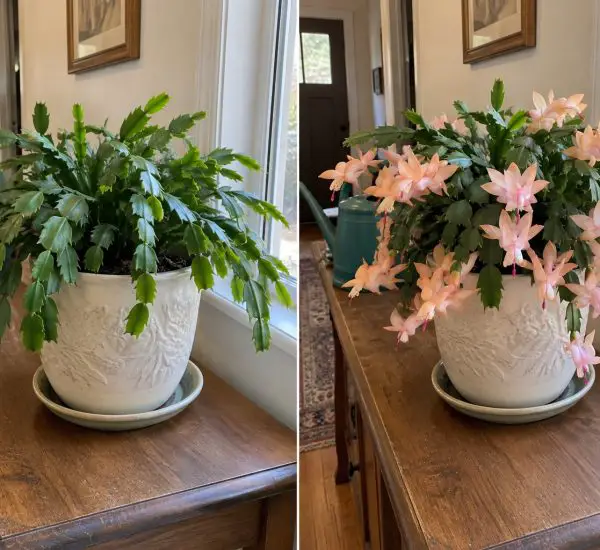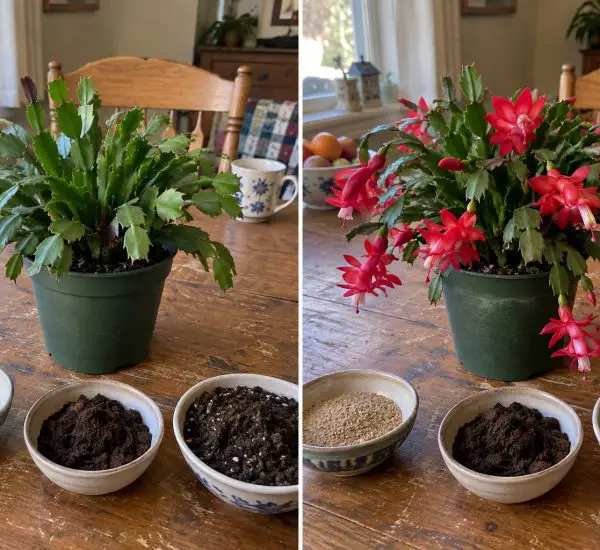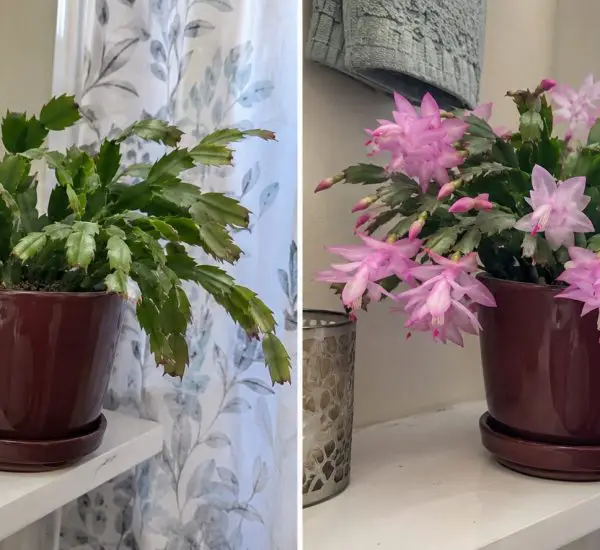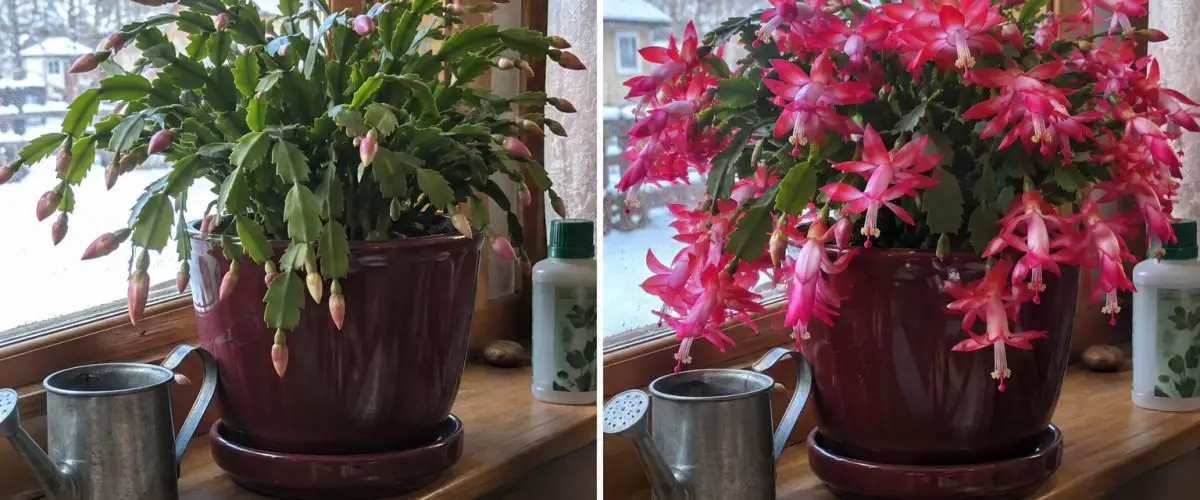
Winter is a quiet period for many flowering plants, but Christmas cactus reaches its best display then. Schlumbergera truncata is known by several names, including December cactus, Barbórka, crayfish cactus, zygocactus, phyllocactus, winter epiphyllum, and winter log. If you want its blossoms to brighten your home, follow its seasonal care. The routine includes preparation for flowers, a change in watering when buds form, and a rest after winter.
What It Needs to Flower
Winter Schlumbergera produces flowers from December through the end of winter. Although it is part of the cactus family, it has no spines. Give it roughly ten hours of total darkness per day to develop flowers. It blooms only after being kept in a cool setting of 8–10°C during the months from August to October.
Water During the Budding Stage
Once you notice buds, spray the plant with soft water and water generously. Avoid allowing the pot to overflow or the plant to become overwatered. If there is too much water, it needs to dry afterward. Bud formation is the signal to begin this fuller watering routine.
Letting the Plant Rest
At the end of winter, the plant slows down and its shoots start shrinking. During that rest, leave out both water and fertilizer. Begin watering again when it starts to wrinkle, which is around eight weeks later. Give only a little water until spring, then increase the amount as the new season begins.
Choosing Its Position
Place Christmas cactus at a west- or southeast-facing window, in bright light or partial shade. Summer also offers a chance to put it outside for fresh air. Choose a shaded outdoor position for that period. The light at its chosen spot matters whether it is inside by the window or outdoors during summer.
When to Fertilize
The growing period calls for regular feeding. Fertilizer intended for succulents once a month is sufficient. Fit that monthly nourishment around the plant’s active growth rather than its resting phase.
Different Varieties, Different Colors
This cactus comes in a range of colorful forms:
- White Christmas has white or white-pink blossoms.
- Bristol Queen produces white flowers.
- Thoralise carries vivid red blooms.
- Golden Charm is a yellow-flowering choice.
- Nicole has pink flowers.
- Bristol Rose combines dark pink and white in its blooms.
- Christmas Cheer has two-toned orange-red flowers.
- Dark Eva combines white and pink.
- Sunset Dancer produces red blooms.
- Westland has small red flowers.
- White Christmas offers white or white-and-pink flowering.