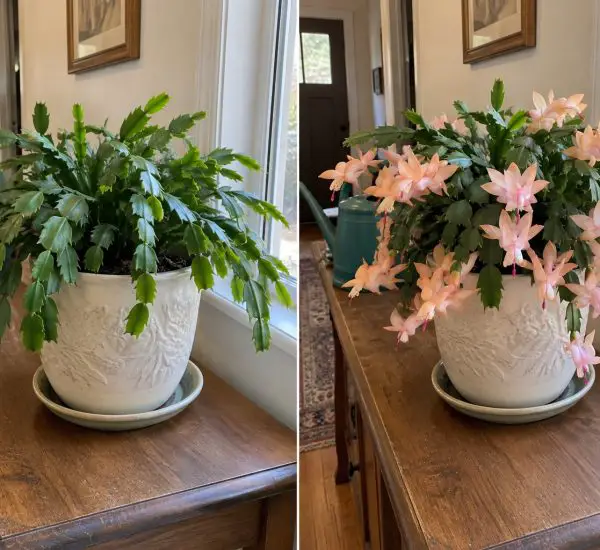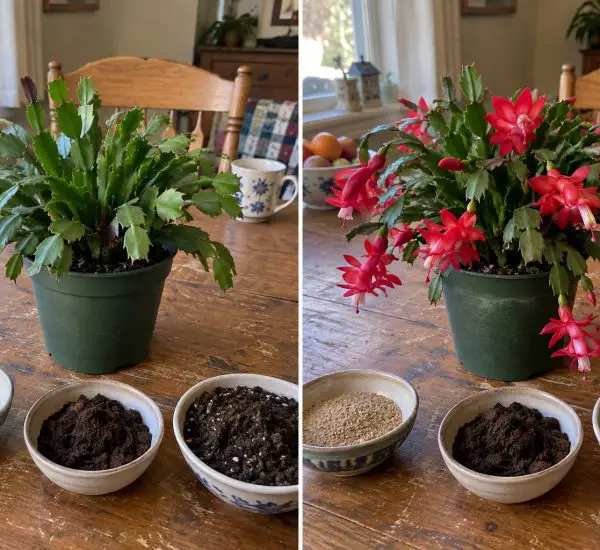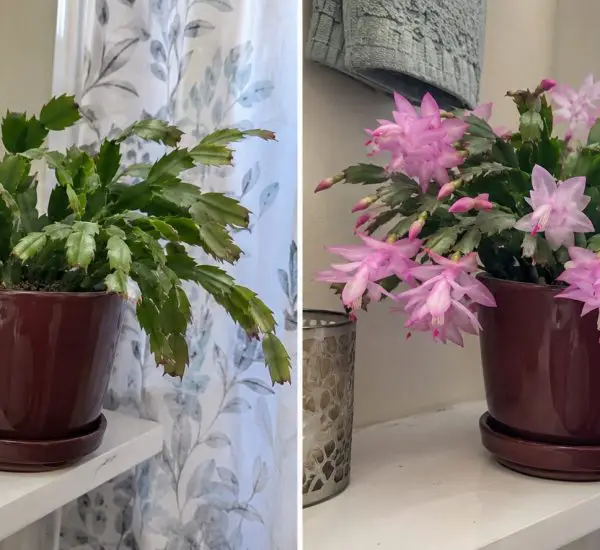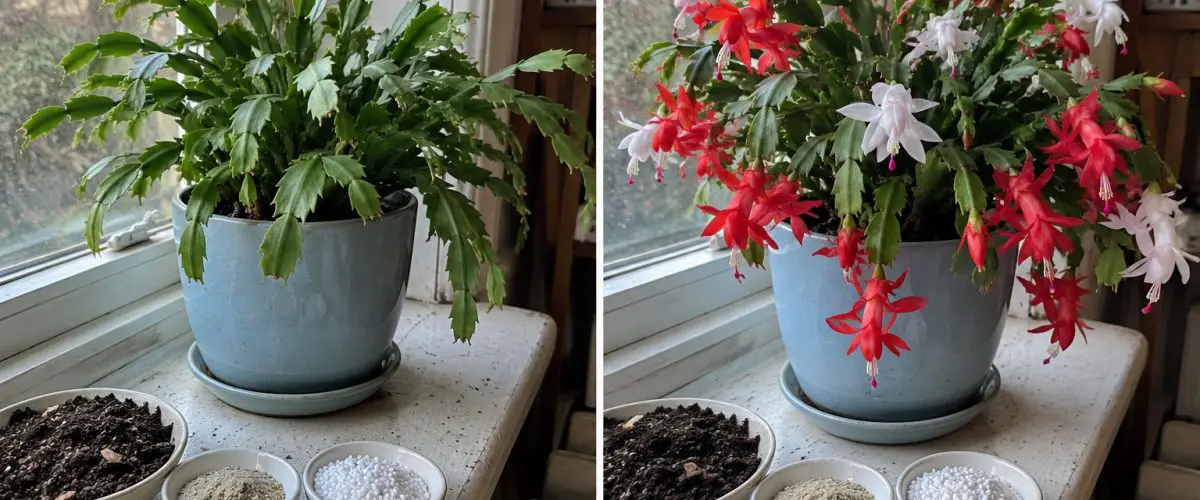
The vivid flowers of Christmas cactus make it a much-loved houseplant in late autumn and early winter. Getting a full, dependable display can be more challenging than simply keeping the plant alive. If you want to know what your Schlumbergera needs for exceptional flowering, the following guide covers the essential care and seasonal preparation.
Start with the plant’s origins, then look at how light, temperature, water, and rest work together. Soil, fertilizer, and root space belong in the routine too. These steps provide a way to support the plant before it buds and continue appropriate care as the flowers develop.
Begin With Its Natural Habitat
Christmas cactus comes from humid, shady tropical forests in Brazil, rather than the dry places associated with desert cacti. It therefore requires different care. Understanding that woodland environment helps explain the conditions needed for vigorous growth and abundant bloom. Give its forest background a place in your decisions about light, moisture, and seasonal changes.
What Can Prevent Flowering?
- Too little light: Bright, indirect daylight is needed even though full sun is unnecessary.
- The wrong temperature: Nights around 10–15°C help trigger flowers.
- Too much or too little water: Both can create stress and reduce the ability to bloom.
- A missing rest: The weeks before flowering require a dark period and reduced watering.
Seven Steps Toward a Better Display
Treat the steps below as one seasonal routine. Suitable everyday conditions support the plant’s growth, and the changes before flowering prepare it to form buds. Once those buds show, continue the care in a steady environment.
1. Get the Light Right
In the spring and summer growing season, place the pot near a north- or east-facing window with filtered daylight. Christmas cactus flourishes in bright, indirect light. Before flowering, cut back its exposure to artificial light during the night. It needs complete darkness to make flower buds, so its nighttime surroundings matter as much as the bright daytime position.
2. Offer Cooler Nights
Choose a location around 18–21°C by day and 10–15°C at night. Keep it away from radiators, heating outlets, and drafts. The right temperature range encourages bloom, but sudden changes can cause buds to fall. A comfortable, consistent setting helps avoid that stress as the plant works toward its flowers.
3. Follow a Careful Watering Pattern
Keep the mix slightly moist, rather than waterlogged. Water a little less in autumn and winter, waiting until the upper centimetre dries before the next watering. Excess water can lead to root rot. A shortage can cause the plant to dry out and shed buds. Balance moisture with drainage rather than allowing either extreme.
4. Provide Its Seasonal Rest
In September or October, begin reducing water and put the plant in a cool, dark place for six to eight weeks. Allow 12–14 hours of darkness daily during that period. This dormant stage is especially important for flowering. The rest and dark hours help encourage the development of the flower buds you want to see.
5. Use a Draining Mix and Balanced Feed
A succulent mix or potting soil combined with sand and perlite provides suitable drainage. From spring to early autumn, use balanced 10-10-10 fertilizer monthly, at half strength. Stop feeding in the middle of autumn to promote flowering. Let the nourishment follow growth and the pause follow the approaching flower season, rather than keeping the feeding unchanged.
6. Refresh the Pot When It Is Due
The roots like being a little crowded. Repot only every three or four years, or if the potting soil becomes compacted. Pick a container only slightly larger than the existing one and renew the mix. The plant’s preference for a somewhat confined root system means a large new pot is not a routine requirement each year.
7. Leave the Budding Plant Settled
As soon as buds are visible, avoid relocating the cactus or exposing it to extreme temperatures. These changes can make it lose its buds. Continue gentle watering and bright, indirect light while the flowers form. Patience and consistent surroundings let the plant carry its preparation into the display rather than introducing stress at the final stage.
Recognizing the Usual Setbacks
- Buds dropping before bloom: Look for sudden temperature shifts, excessive watering, or too many moves.
- Shriveled or wilted segments: Insufficient water is indicated; increase the watering frequency gradually.
- A plant without buds: Too little darkness, the wrong temperature, or inadequate nutrition are likely explanations.
A Flowering Plant to Enjoy for Years
These steps help support strong growth and a plentiful, beautiful flower display each season. The everyday care and the pre-flowering rest belong together, followed by steady conditions when buds arrive.
With appropriate attention, Christmas cactus can enrich your home for many years. Keep its forest origin and seasonal routine in mind as you care for it. The reward is a familiar houseplant that brings its bright flowers into the room when late autumn gives way to the winter season.