Not every cactus wants a dry pot and a place in full sunshine. Rhipsalis and Christmas cactus belong to a different group, one that comes from tropical and subtropical woodland. They are forest cacti, often living as epiphytes on trees and absorbing moisture from the surrounding air rather than growing in arid soil.
For these plants, regular water, humid conditions, and indirect light are part of a comfortable home. Get those basics right and they can flourish for many years, sometimes decades. Their green stems spill gracefully from their pots, while seasonal flowers add another reason to enjoy them. The care routine below follows the conditions they naturally prefer.
Keep their natural surroundings in mind as you work through the routine. These are woodland plants that appreciate regular moisture rather than the long dry spells associated with desert cacti. Light, humidity, soil, and watering all contribute to that setting. The Christmas cactus also benefits from its autumn preparation for flowers, so its familiar holiday display depends on seasonal care as well as the conditions you offer every day.
Getting to Know Rhipsalis
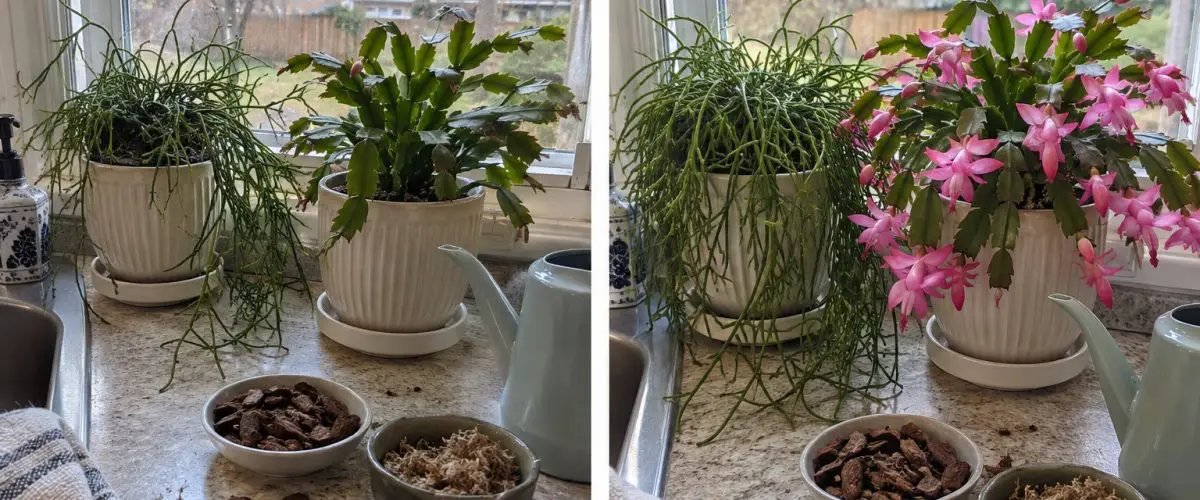
Often known as mistletoe cactus, Rhipsalis is a genus of epiphytic cacti from Central and South America. Instead of thick, prickly growth, it has thin, trailing stems without spines. Its unusual silhouette makes it an appealing choice for hanging baskets and decorating an indoor space.
Rhipsalis appreciates brightness filtered away from direct sun, along with humid air. It is adaptable and easy to care for, which helps explain its popularity as a houseplant. Those long stems are a simple way to add a softer, flowing shape to your indoor greenery.
Getting to Know Schlumbergera
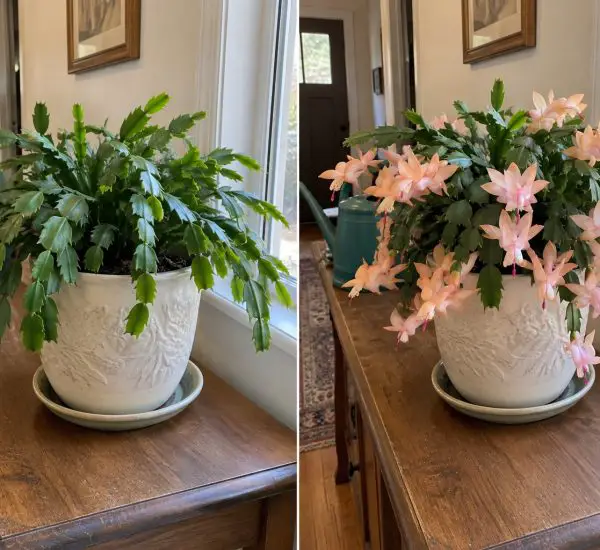
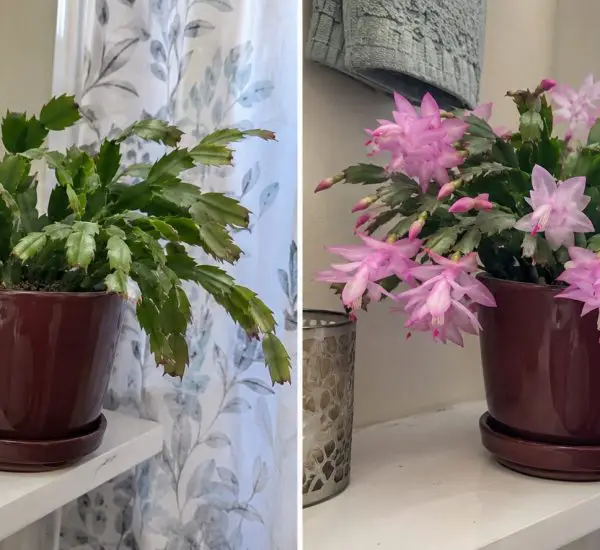
The Christmas cactus, or Schlumbergera, is another member of the forest cactus group. Native to tropical Brazilian forests, it is recognizable by its segmented stems and colorful flowers. Pink, red, white, and orange blooms help make it a favorite during the winter holiday season.
The name can be misleading if it makes you think of an ordinary desert cactus. This plant needs considerably more moisture and a different kind of attention. Caring for it as a forest plant is the starting point for enjoying those festive flowers.
The Best Setting for Both Plants
- Light: Give them bright daylight without direct sun. Strong sunshine can burn their stems; an east-facing window offers an ideal location.
- Temperature: Aim for 15–25°C. Neither plant tolerates frost. Bring outdoor plants inside when the temperature drops below 10°C.
- Humidity: Keep the air moist around them by misting regularly or setting their pots on a pebble-and-water tray.
Soil, Water, and Drainage
Unlike desert species, forest cacti do not cope with drought in the same way. They need regular watering, paired with a mix that allows excess moisture to leave the roots.
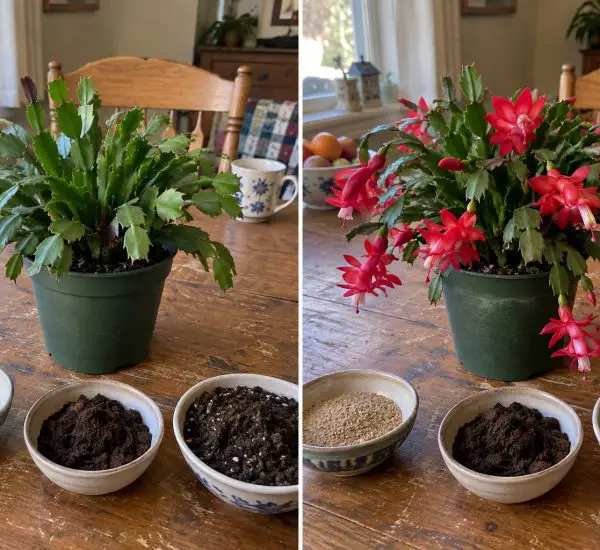
- Soil: Use a potting mix intended for cacti and succulents. Add orchid bark or peat moss to improve airflow through the mix and its ability to retain water.
- Water: Once the top centimetre feels dry, water generously and let it drain fully. Water a little less during the plant’s winter rest.
- Drainage: Use containers with holes in the base. Stagnant water can cause the roots to rot.
When to Add Fertilizer
A regular feeding routine supports healthy growth and an abundant flower display in Rhipsalis and Christmas cactus. Apply a balanced fertilizer that dissolves in water, such as a 10-10-10 formula, every four to six weeks from spring through early autumn.
Pause feeding when the plant is resting in winter or flowering. Excess fertilizer may interfere with flowers and alter the color of the foliage. The growing season is the time to provide that nourishment; the quieter seasonal stages call for a break.
Helping Christmas Cactus Return to Bloom
Annual flowering takes some preparation, especially as autumn arrives. A change in light and temperature helps the plant start forming its buds.
- Darkness: For roughly six weeks in autumn, give the cactus at least 12–14 hours of darkness daily.
- Cool air: Maintain temperatures around 10–15°C during that stage, matching a natural seasonal change.
- Consistency: Leave it undisturbed once buds appear. Moving it or suddenly changing the light may make the buds fall.
These adjustments should help your Christmas cactus flower beautifully for the holiday season. Keep the environment steady while it prepares its display.
How to Propagate Them
Stem cuttings offer an easy way to grow more Rhipsalis or Schlumbergera plants. The process is simple and gives you a chance to start another pot from healthy growth.
- Take a healthy stem cutting two to four inches in length.
- Let it dry for a day or two before planting.
- Set it into moist potting mix with good drainage.
- Place it in indirect light, watering lightly until it develops roots.
Fresh shoots should follow within a few weeks, as the cutting establishes itself and begins to grow.
Reading the Warning Signs
- Shriveled stems: Underwatering is often the cause, but roots damaged by too much water can create the same problem. Adjust the watering accordingly.
- Yellowing foliage: Check for excessive sun exposure or inadequate drainage.
- A missing bloom: Too much nighttime light or too little seasonal rest is often responsible. Ensure cooler conditions and enough darkness before the flowering period.
A Lasting Addition to Your Home
These forest cacti suit anyone who wants attractive indoor greenery without an elaborate routine. Their distinctive appearance, longevity, and easy multiplication make them enjoyable plants for beginners as well as experienced gardeners.
Offer suitable care and Rhipsalis and Christmas cactus can keep thriving for years. Trailing green growth and striking seasonal flowers make them a beautiful, lasting presence in the room rather than a plant you enjoy for only one season.