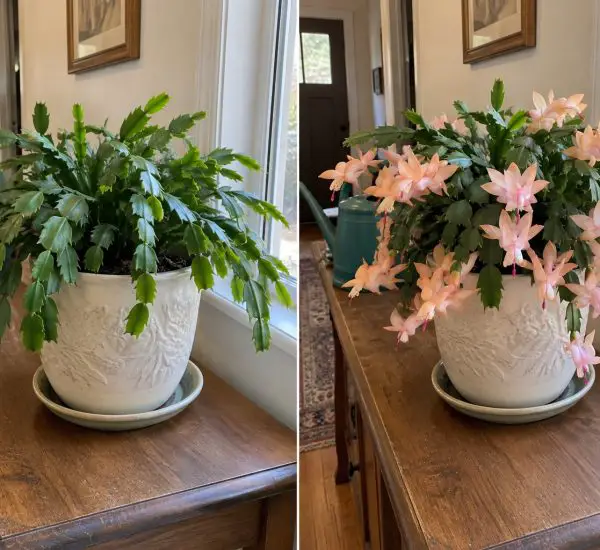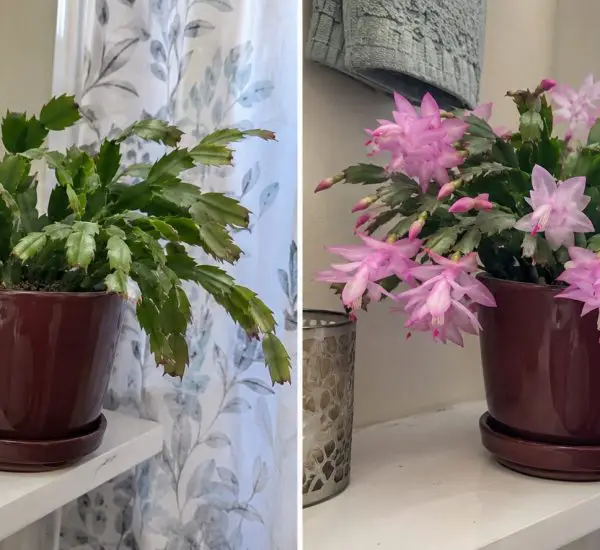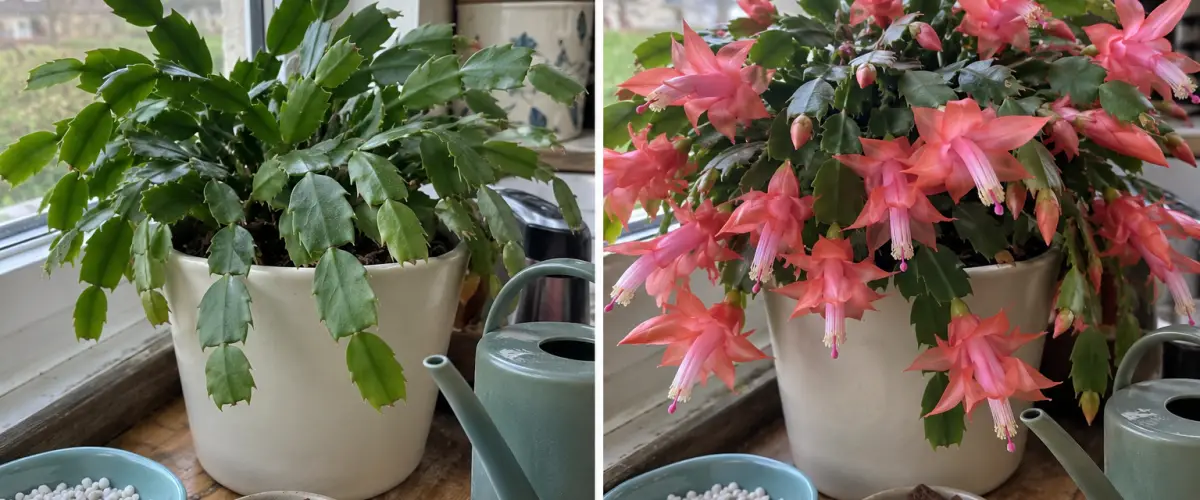
There is something especially cheerful about a Christmas cactus covered in flowers while the rest of the house is settling into winter. This tropical plant, called Schlumbergera, has become a holiday favorite for good reason: its colorful blooms bring life to indoor spaces at just the right time.
Despite the name, its home is not a desert. Christmas cacti come from the humid forests of Brazil, where they grow in shade beneath the trees. They need a different routine from the sun-loving cacti you may already know. With the right balance of light, moisture, and seasonal rest, they can stay healthy and flower beautifully year after year.
Use the following guide to work through each part of that routine.
1. Find a Bright Spot Without Strong Sun
Bright, filtered daylight suits a Christmas cactus best. Think of the gentle light passing through a forest canopy rather than the full force of afternoon sunshine. Indoors, a position close to a north- or east-facing window is an ideal place to start.
Direct afternoon sun can damage the delicate green segments, so avoid an exposed spot. During flowering, keep the light conditions as consistent as possible. Excessive light and abrupt changes of position may stress the plant, and the result can be buds dropping before they open. Once you have found a comfortable place, let it enjoy that steady setting.
2. Pay Attention to Warmth and Humidity
A Christmas cactus likes mild temperatures and humid surroundings. During the day, keep it around 18–24°C (64–75°F). Cooler nights, near 15°C (59°F), can encourage it to flower.
Dry indoor air is another thing to watch, especially when the heating is on during winter. Occasional misting can help, or you can put a tray of water close to the plant to increase moisture in the surrounding air. Grouping houseplants together is also useful for creating a small, more humid environment. The aim is to give this tropical cactus a room that feels a little closer to its forest home.
3. Get Watering Into a Gentle Rhythm
Too much water is a common reason Christmas cacti struggle. These plants do appreciate regular watering, unlike desert cacti, but they still need the soil to dry slightly between drinks.
Before reaching for the watering can, feel the top of the potting mix with a finger. A dry surface tells you it is time to water again. You can increase watering a little while flowers are open, but resist keeping the pot soaking wet. Water that sits around the roots can cause rot, which can be fatal. Make sure the container has drainage holes so the excess can run out instead of collecting inside.
4. Give the Roots Airy Soil and Enough Room
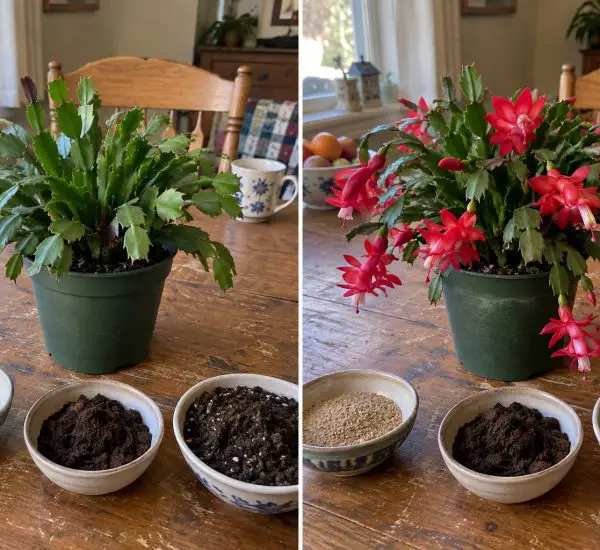
Choose a potting mix with good drainage. Adding perlite, orchid bark, or sand to potting soil helps water pass through more easily. Dense garden soil and ordinary mixes that trap too much moisture are unsuitable for this plant.
Repotting is usually needed only every two or three years, or when the roots no longer have enough space. Wait until the flowers have finished before moving it into fresh soil. Late winter or the beginning of spring is the best time for the job. Rather than making repotting an annual habit, let the condition of the roots and the time since the last move guide you.
5. Feed Through the Growing Season
From spring until early autumn, feed your Christmas cactus once a month. A balanced liquid fertilizer, diluted to half its usual strength, supports strong growth. Avoid a fertilizer that is especially high in nitrogen: it can encourage more foliage at the expense of flowers.
When autumn arrives, stop fertilizing and let the plant rest. A quieter spell with less water and cooler temperatures helps prepare it for flowering and encourages buds to develop. Its care should follow that seasonal rhythm, with regular feeding during growth and a break when it is getting ready for the next floral display.
6. Trim After Blooming and Save the Cuttings
Pruning after flowering helps the stems branch and can lead to more flowers the following season. To tidy the plant, twist or cut off a few segments from the ends of its stems.
Do not waste those pieces if you would like more plants. Let the cut ends dry for one or two days, then plant the cuttings in potting mix that is only slightly damp. Roots should begin forming over the next few weeks, followed by new growth. In this way, the same simple pruning session can both encourage the parent plant to branch and give you cuttings to grow on.
7. Set Up Its Autumn Rest for Better Blooming
To flower reliably each year, the Christmas cactus needs a brief dormant period. Starting in late autumn, water less and keep it somewhere cooler and darker for approximately six weeks. Give it around 12–14 hours of darkness per day, with temperatures between 10°C and 15°C (50–59°F).
As soon as buds become visible, put the cactus back in its regular place and return to normal watering. After that, avoid shifting it around. Buds can drop if the plant is moved once they have formed, so steady conditions matter during this final stage.
8. Notice the Most Common Warning Signs
- Buds falling off: A sudden change in temperature or light is often the cause.
- Yellowing foliage: Check whether the plant is receiving too much water.
- A plant that will not bloom: Excess light at night or too little rest may explain the missing flowers.
Enjoy Its Flowers for Many Winters
A well-cared-for Christmas cactus can grow and bloom for decades. Its unusual shape and colorful holiday flowers make it a rewarding plant to keep at home.
Remember the conditions it comes from: filtered light, moderate humidity, and a careful approach to watering. Bring those elements into your routine, allow its seasonal rest, and you can look forward to a healthy cactus and another beautiful display each year.