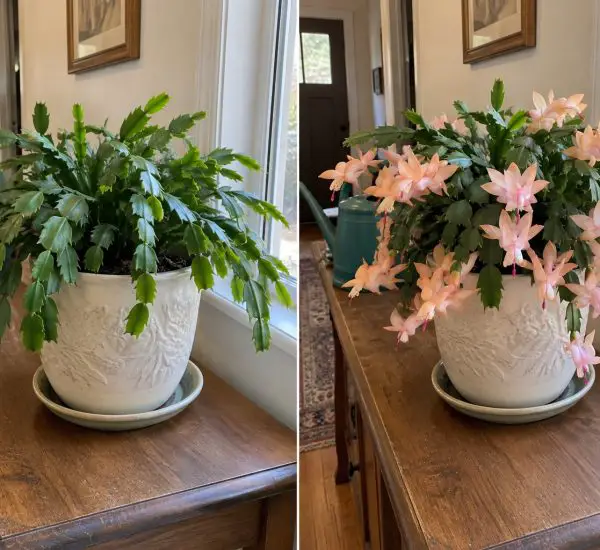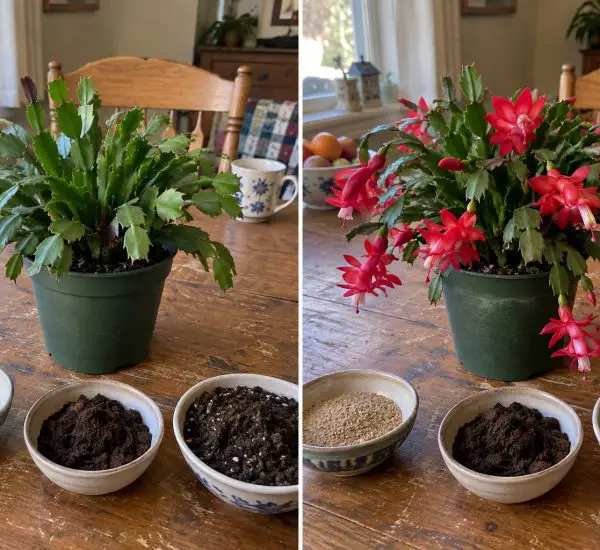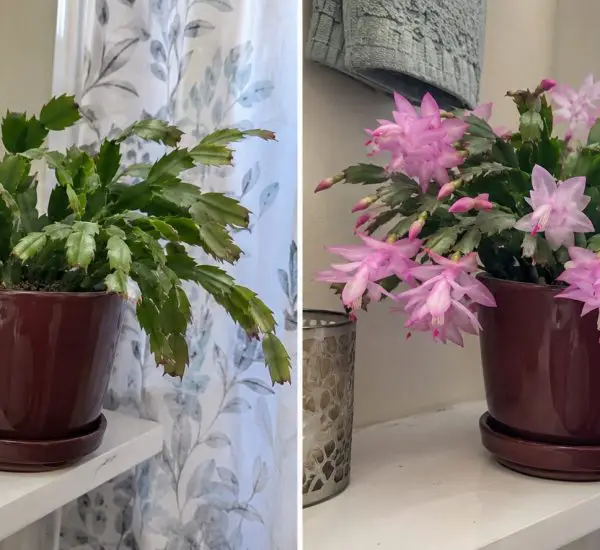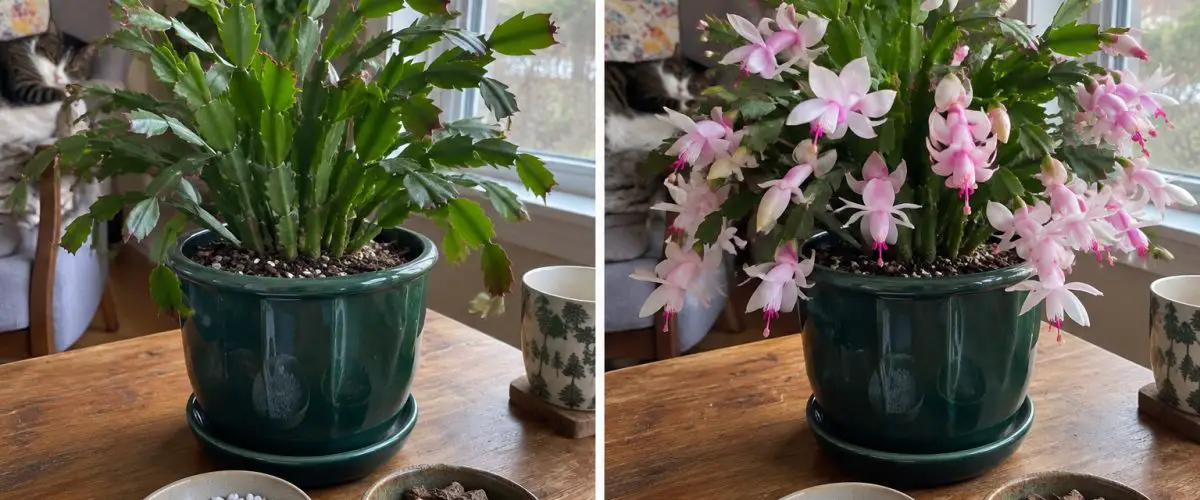
Christmas cactus is a much-loved houseplant with a particularly cheerful talent: it produces vivid flowers around the winter holidays. Known scientifically as Schlumbergera, and sometimes called Santa Teresita or forest cactus, it comes from tropical surroundings rather than a desert. That difference shapes the way it should be grown indoors.
Given the right care, it can put on a striking flower display year after year and become a valuable part of your indoor garden. Below is a complete look at the routine, including light, water, fertilizer, and the conditions that encourage buds. Each part follows the plant’s needs through growth, flowering, and rest.
Its Forest Background and Seasonal Flowers
In the moist tropical forests of Brazil, Christmas cactus grows as an epiphyte on trees. Its natural setting is shaded and humid. Flat, segmented stems resemble leaves, while tubular blossoms appear in red, pink, white, or purple.
The usual flowering window runs from late November to early January, placing it right in the holiday season. That timing is the reason for its familiar name. To keep the plant healthy and encourage a plentiful display, it is worth giving its forest background a place in your care decisions rather than relying on habits used for desert cacti.
Offer Brightness Without Direct Sunshine
This cactus likes a bright setting where the light is indirect. Harsh sunshine can burn the tender stem segments and cause discoloration. Choose filtered light near a window, or a bright room that shelters the plant from direct rays.
As the days become darker in winter, a position closer to a bright window can support flowering. Let the plant adjust gradually when changing its light, though. Sudden shifts are less comfortable for it than a gentle transition. The useful balance is plenty of daylight without making it face strong sun directly.
Keep Moisture Balanced
Watering is a central part of the routine. Christmas cactus enjoys soil that stays moist, but it does not want to sit in a saturated pot.
- When to water: Give a thorough watering when the first centimetre of soil feels dry. Increase watering a little during active growth and flowering, from spring to early winter.
- Drainage: Make sure surplus water can escape. Good drainage helps prevent the root rot that can readily affect this plant.
- Moist air: Compared with desert cacti, it likes higher humidity. Occasional misting or a nearby humidity tray can help provide it.
When flowering finishes and dormancy begins, cut back on watering. Let that rest follow the busier growing and flowering periods, while keeping the difference between moisture and waterlogging in mind.
Choose Mild Temperatures
A room between 15 and 21°C is ideal for Christmas cactus. Temperatures below 10°C and sudden cold drafts can weaken it and interfere with the flower display.
For bud formation, slightly cooler nights are useful. A cooler room in autumn can help encourage the move toward flowering. Keep an eye on the overall setting so seasonal cooling does not become an abrupt cold shock. Suitable temperatures belong alongside light and watering in the plant’s preparation for bloom.
Use Airy Soil and Refresh the Pot
A well-draining potting mix designed for epiphytes or cacti is a suitable choice. You can also improve ordinary potting soil with perlite or orchid bark. These additions make it easier for air and water to move through the mix and help avoid root problems.
Repotting every two or three years renews the soil and provides room for growing roots. Do it preferably after the flowering season is over. Fresh soil and extra root space are useful, but keep drainage and aeration at the center of your choice of mix.
Feed in the Growing Months
From spring through summer, feed every two to four weeks with a balanced fertilizer that dissolves in water. Use it at half strength. A formula with equal amounts of nitrogen, phosphorus, and potassium works well for Christmas cactus.
Leave fertilizer out of the autumn and winter routine. At that time, the plant is preparing to flower or moving through dormancy. Its feeding schedule should match the growing season instead of carrying on unchanged throughout every month of the year.
Create the Right Conditions for Buds
To encourage lots of blooms, combine a suitable dark period with cooler nights and steady care. Start paying attention to these conditions during the six weeks leading up to flowering.
- Darkness: Give 12–14 hours of darkness daily for those six weeks. Place the plant in a dark room, or cover it at night with a box or cloth.
- Night temperature: Maintain cooler nights of around 10–13°C while buds are forming.
- A calm environment: Avoid sudden movements and drafts, because stressful changes can cause bud drop.
Early bud drop generally points to stress from overwatering, abrupt temperature shifts, or irregular lighting. Keep those conditions consistent as the flowering period approaches.
Signs That Something Needs Attention
- Yellowing or soft stems: Excess watering and poor drainage are the usual explanations.
- No bloom: A lack of darkness or overly warm conditions during bud formation is often responsible.
- Bud loss: Drafts, temperature fluctuations, and sudden watering changes can stress the plant.
- Pests: Spider mites and mealybugs may appear occasionally. Use insecticidal soap or neem oil promptly when an infestation begins.
Start Another Plant With a Cutting
Christmas cactus is easy to multiply through stem cuttings. A healthy piece can become a new plant when you give it the right start.
- Choose a healthy stem section containing two or three leaf-like joints.
- Allow the cut surface to dry for one or two days so it forms a callus.
- Place the cutting in moist soil that drains well.
- Keep it in indirect light and maintain light moisture in the mix.
In a few weeks, roots should form. After the cutting has rooted, you can move into the same care routine you use for an adult plant.
Enjoy a Familiar Holiday Favorite
Moderate temperatures, indirect light, and steady moisture with good drainage reflect the tropical conditions this plant comes from. Those simple needs help explain its care from one season to the next.
Combine regular watering, growing-season feeding, and a period of darkness before flowering to enjoy its lovely blooms year after year. Whether you are a beginner or an experienced gardener, a well-cared-for Christmas cactus adds a charming seasonal touch to your home. Its bright flowers can become something to look forward to whenever the winter holidays come around.