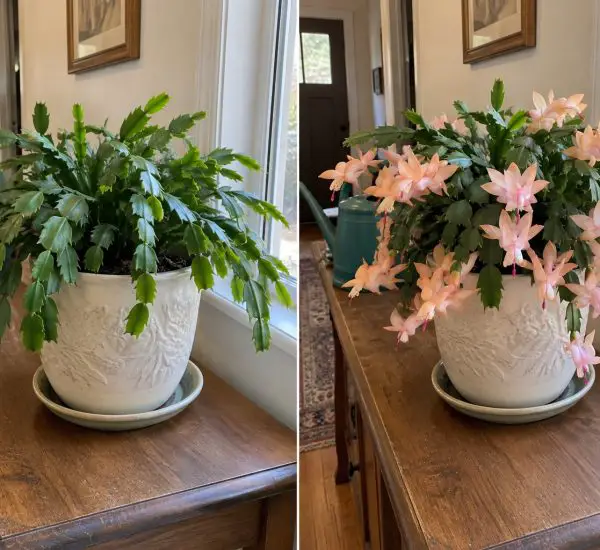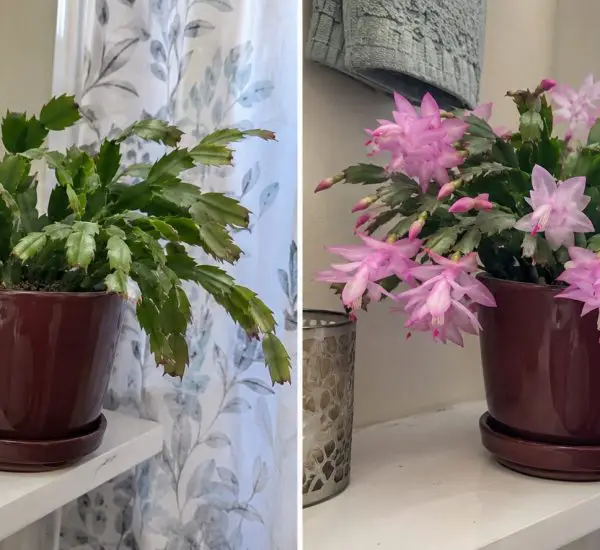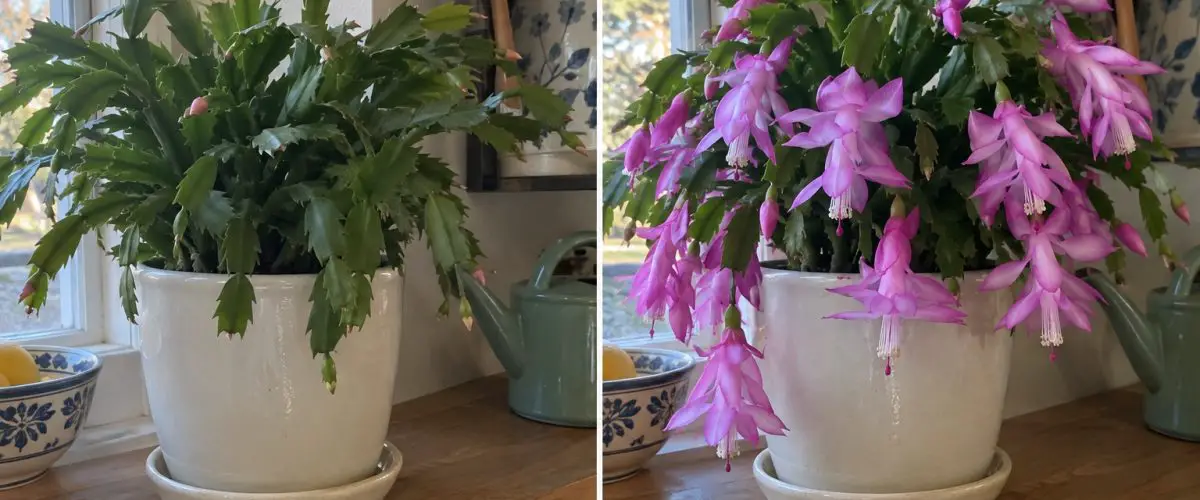
Pink and lilac flowers make the Christmas cactus a much-loved houseplant. It is sometimes also called Easter cactus, while its scientific name is Schlumbergera. The colorful flower display is what makes this indoor plant so popular with people who enjoy flowering plants around the home.
Its natural setting differs from that of desert cacti. This cactus and its closest relatives originate in the tropical forests of Brazil, where they grow on trees and absorb the available moisture. They do not come from hot, arid environments, so their forest origins help explain their preference for humidity.
Planting Your Christmas Cactus
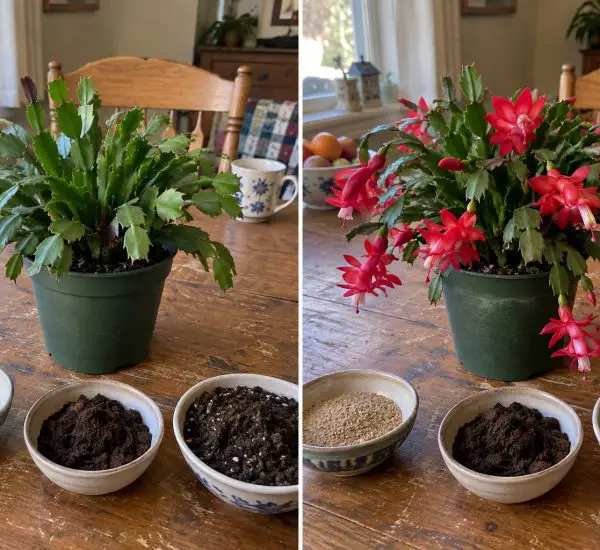
Start with a container that has a drainage hole. It helps stop the growing medium from becoming overly wet. Before planting, choose a pot where excess water can drain out instead of remaining trapped around the soil.
The Christmas cactus is suitable for every kind of succulent soil. Give it a position with abundant indirect light, such as a bright corner in a bathroom. Direct sunshine may damage the leaves and turn them yellow, so protection from those rays matters.
Because it prefers a humid environment, a kitchen or bathroom is a suggested location. Consider the moisture in the room as well as the indirect light when finding a place for the plant.
The Everyday Care Routine
Water at intervals of two to three weeks, and only when the top of the soil feels too dry to the touch. In a pot with six inches of growing medium, wait until the upper three to four centimeters are dry. Your fingers can check that layer before you add water.
When it is dry, water thoroughly until liquid starts leaving the drainage hole. Around fifteen minutes later, empty the excess collected in the saucer. Do not leave that surplus sitting beneath the pot after the watering is finished.
During flowering, watering is especially important. Prune at the end of spring to stimulate the plant to branch and bloom.
Bringing the Christmas Cactus into Flower
Longer autumn nights and cooler temperatures trigger flowers. Depending on the type of Christmas cactus, blooming can occur from November until the middle of spring.
A cactus that does not bloom is probably getting excessive light or growing somewhere too warm. You can stimulate flowering by supplying the conditions described below.
For six weeks or more, nights should last at least fourteen hours and days between eight and ten hours. If you keep plenty of household lights on during the night, cover the plant or relocate it to a less illuminated spot.
Temperatures of 10°C–15°C are best for flower-bud development. Exposing the cactus to approximately 7°C over several consecutive nights can also stimulate flowering.
Do not discard a plant that drops its buds one year. It should return to flower the next year, so keep the cactus rather than throwing it away after that lost display.
Common Problems with Christmas Cacti
Flower drop occurs when the plant experiences stress. Excess light, too much water, or an abrupt change in temperature can make it lose its flowers. Those are the possible causes to consider when blooms begin falling.