Recycling is a foundational practice that not only benefits your wallet but also contributes positively to the environment. In the realm of the kitchen, recycling is not just essential—it’s akin to a magical process that never ceases to amaze.
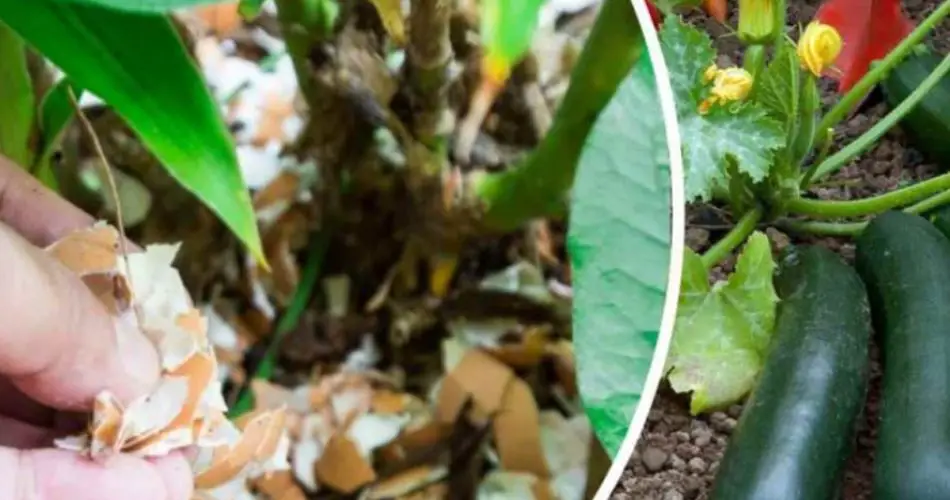
Today, we’ll explore a specific aspect of recycling: repurposing eggshells to benefit your favorite plants. If you’re someone who lovingly tends to a vegetable garden, you likely understand the valuable advantages that eggshells can offer to plants, promoting healthy growth.

Eggshells can serve a dual purpose as both a repellent and a fertilizer. Wondering how to prepare them for use?
Apart from crushing them, there are two additional methods:
- 1. Eggshell Flour: To create eggshell flour, take a dozen eggshells, let them dry in a shaded area, and then crush them into a powder-like consistency. Adding 1 or 2 tablespoons of this flour to the soil every 40 days provides essential calcium to nourish your plants.
2. Eggshell Water: For eggshell water, boil 3 liters of water with 6 crushed eggshells. Pour the resulting solution into the soil to supply beneficial minerals and calcium to your plants.
Now that you know how to use them, let’s delve into their specific benefits:
- Checking Soil Acidity: Eggshells help control the acidity of the soil when incorporated for an extended period. Their components easily penetrate the soil when watered.
- Keeping Pests at Bay: The shells act as a barrier against snails and caterpillars, causing them to retreat. The sharp edges of the shells create discomfort for these pests.
- Composting: If you’re into composting at home, simply add eggshells to the mix. Mixing them with coffee grounds enhances the fertility of the plant substrate.
- Fertilizing: Rich in nitrogen, calcium, potassium, and phosphorus, eggshells make an excellent fertilizer. Insert them into the soil substrate to rapidly improve plant development.
It’s time to put this knowledge into action!