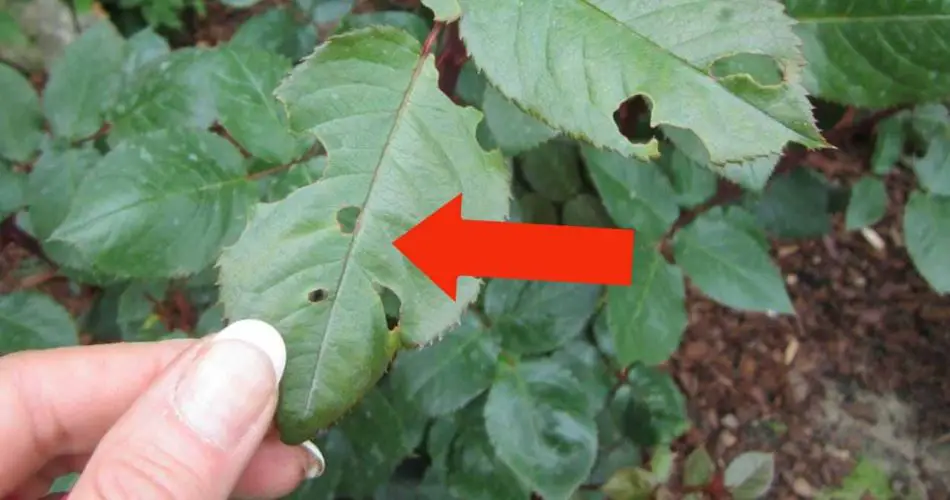
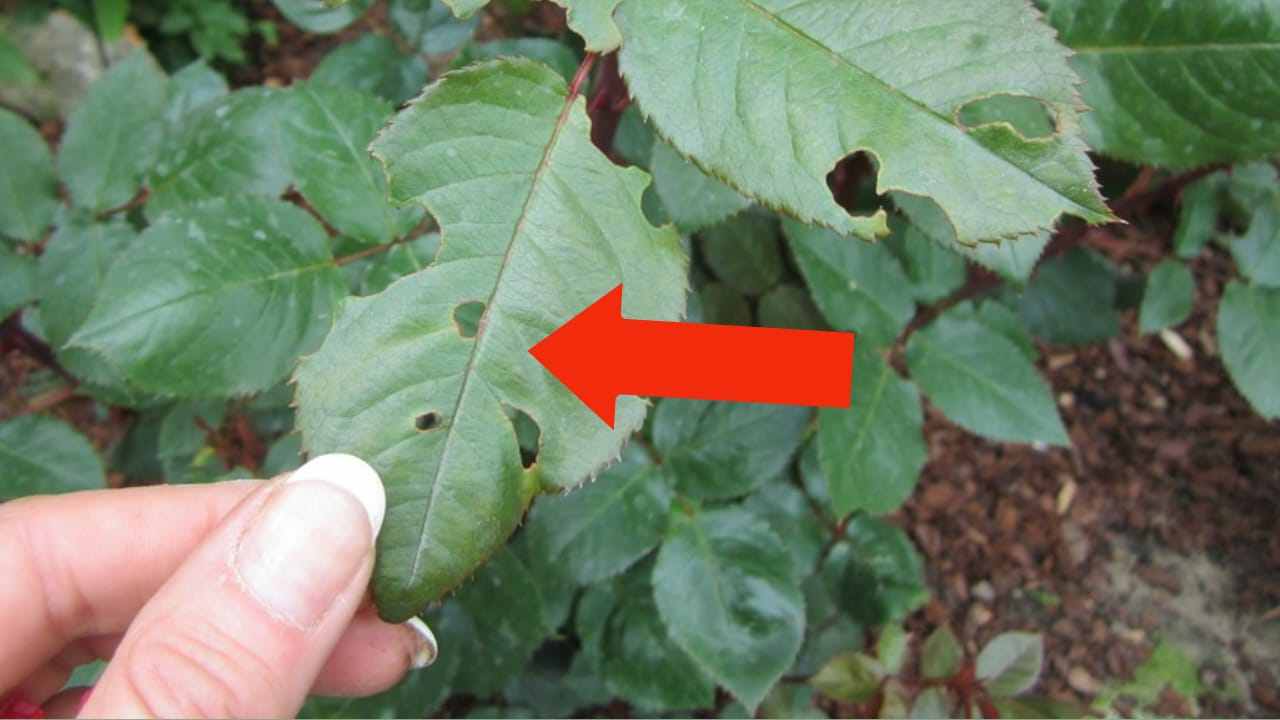
When we observe holes in the leaves of our rose plants, immediate intervention is crucial. Here’s how to address the issue.
As the warmer months herald the return of nature’s captivating displays, the allure of flowers and plants graces gardens, windowsills, balconies, and indoor spaces adorned by green enthusiasts. Among the myriad floral choices, roses stand out for their magnificence and diverse colors. However, the care for roses demands meticulous attention, ensuring they receive all they need while safeguarding them from potential risks.
Rose leaves displaying holes necessitate swift action to salvage the plant.
Immediate intervention becomes imperative upon noticing any irregularities in the smoothness of rose leaves, particularly when holes mar their once pristine surfaces. The causes behind these holes can vary, and it’s crucial to identify them for effective remediation to restore the roses to optimal health.
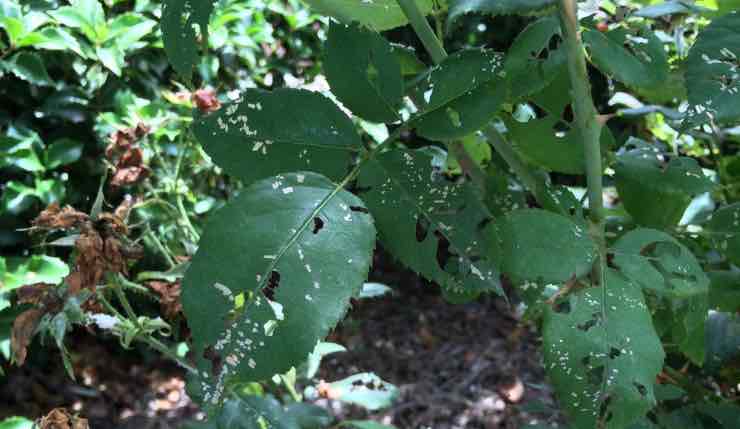
Several factors can contribute to the appearance of holes in rose leaves. Understanding these causes is key to implementing the appropriate measures for the roses’ well-being.
- Weather-related Causes:
- Hailstorms can lead to holes in rose leaves. If a recent hailstorm occurred in the area, it is a likely culprit.
- Windy conditions can also result in damage, as rose leaves may collide with plant branches on particularly gusty days.
- Insect Infestation:
- Insects, especially during summer, can attack roses and cause holes in the leaves.
- If the cause cannot be attributed to weather conditions, it’s likely that insects, such as black sawflies or argids (rose caterpillars), are responsible.
Taking Targeted Action to Combat Pests:
- For Black Sawflies:
- Monitor the undersides of leaves for black sawfly larvae.
- Intervene with a damp cloth or a pyrethrum-based product to eliminate black sawflies promptly.
- For Argids (Rose Caterpillars):
- Conduct thorough checks on the rose plant’s health to identify argid infestations.
- Chemical products can effectively eliminate argids, but it’s advisable to opt for pyrethrum-based treatments.
- Alternatively, a natural homemade remedy involves mixing 15 finely minced black pepper grains in half a liter of plain water.
- Allow the solution to rest for about an hour and then spray it on the leaves to eliminate argids and promote the rose plant’s recovery.
By promptly addressing these issues and choosing appropriate treatments, whether chemical or natural, the health and longevity of our beloved rose plants can be ensured. Consistent monitoring and intervention are key to preserving the beauty of our gardens and allowing our green companions to flourish.