There is a natural fertilizer better than any other that will always offer you lush plants. Let’s see what it is.
As summer approaches, the inclination to tend to the garden (or balcony) and rejuvenate plants affected by winter arises. Whether you’re considering purchasing new plants or revitalizing existing ones, you may be unaware of a natural fertilizer that provides abundant vitamins and minerals for immediate nutrition. Let’s delve into the article to discover what it is.
How to care for plants
Whether you’re an experienced gardener with a knack for cultivation or someone who enjoys having potted plants on the balcony, you’re likely aware that each plant comes with its unique set of requirements. Some thrive in full sun, while others prefer shade; some demand almost daily watering, while others are content with once a week. Undoubtedly, the initial step is to familiarize yourself with the specific needs of your plants.

If you have the chance to purchase plants from a nursery, obtaining guidance on proper maintenance becomes straightforward. Alternatively, if you know the plant’s name, you can explore the internet or use free apps that identify it through photographs, providing information on optimal growth conditions. In today’s era, keeping seedlings thriving has become accessible, even for those without a green thumb.
Regardless, it’s certain that all plants, when not in their natural habitat, may benefit from a good fertilizer. While various formulations are available on the market, we’ll now explore how an organic element can prove more effective in enhancing plant strength and lushness.
Optimal Plant Fertilizer
When discussing plant fertilizers, the focus often shifts to substances that directly impact the plant itself. However, the reality is that most fertilizers primarily influence the soil. One of the most effective natural fertilizers is leonardite.
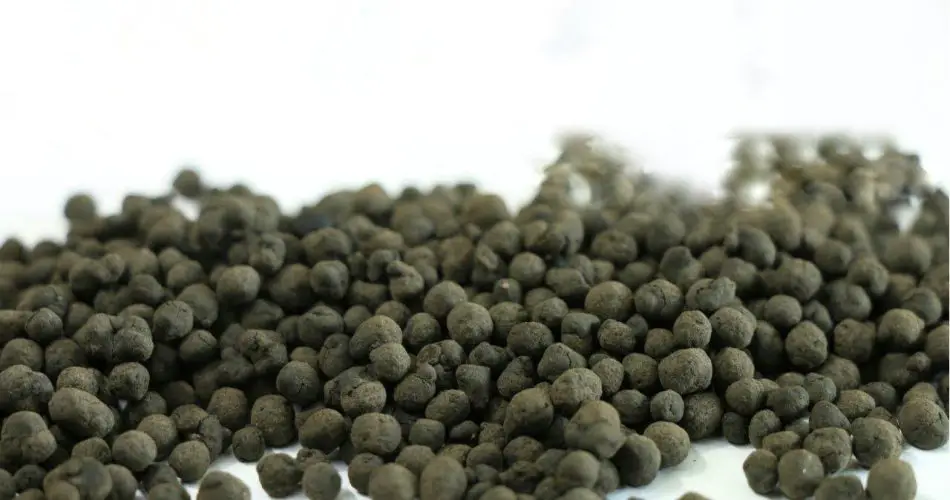
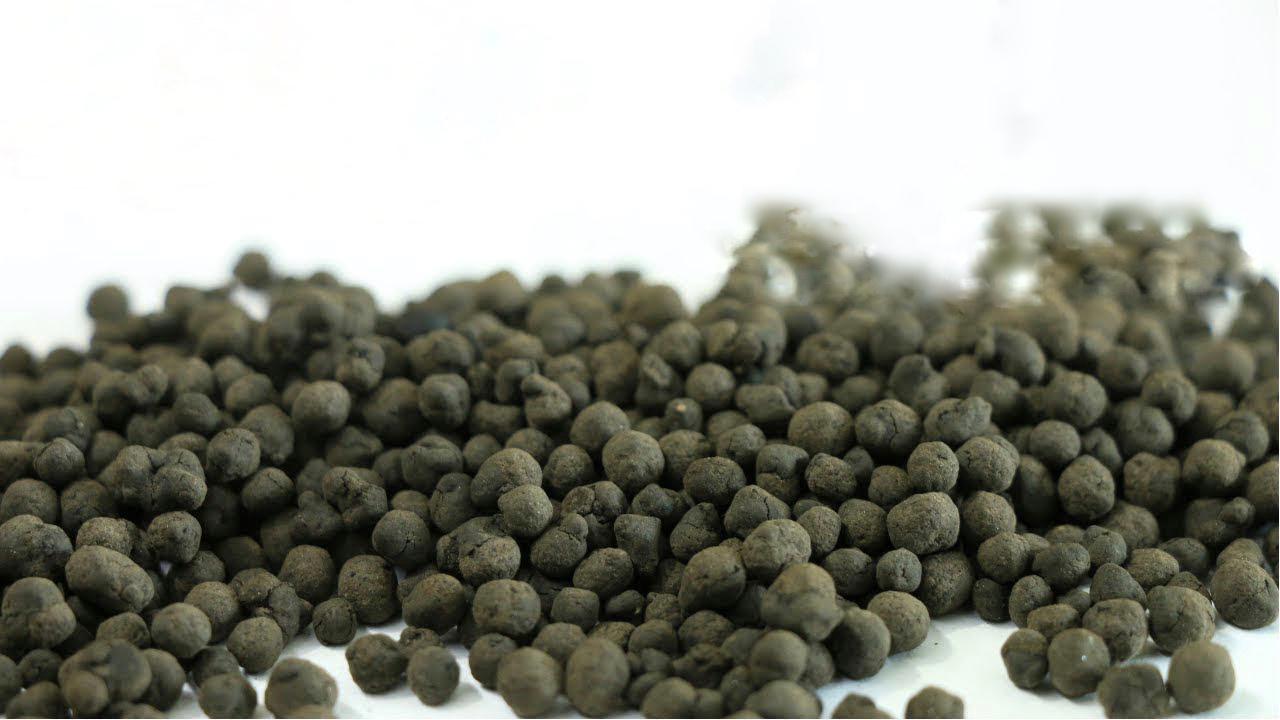
Leonardite is a carbon-rich organic substance present in certain types of clays. Derived from clays rich in organic matter, it is abundant in lignin, making it a valuable element for plant growth.
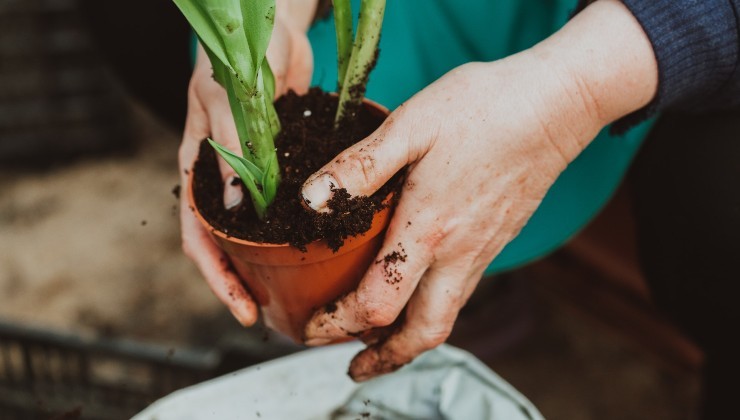
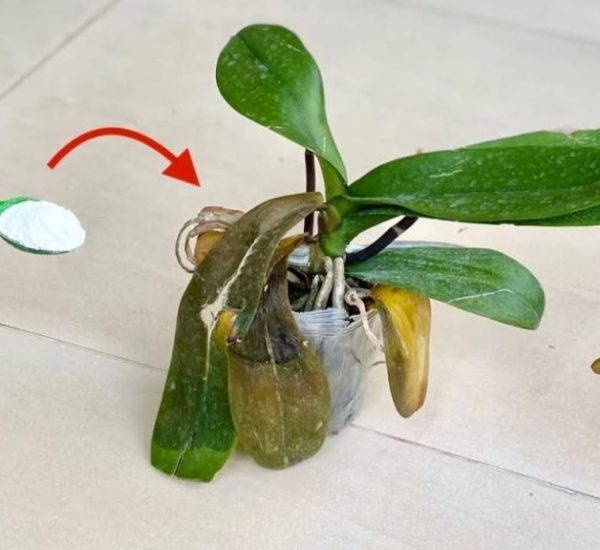
Leonardite can be acquired through chemical extraction processes and is commonly utilized as a fertilizer in powder, liquid, or granular forms. This substance provides immediate nourishment to the soil, benefiting the plants in turn. Its application is straightforward—either mix it with the soil when establishing a new environment for plants or dissolve 10 grams of the powder in a liter of water to create a solution for irrigating the plants.
Enriched with essential nutrients such as nitrogen, phosphorus, and potassium, Leonardite contributes to increased soil productivity, enhanced soil quality, and the stimulation of plant growth. Additionally, it aids in reducing soil compaction, improving soil structure, and boosting plant resistance to pests.
A genuinely beneficial and entirely natural substance for the well-being of both plants and soil.