There’s a household ingredient you can use to repel pests, eradicate weeds, and wash fruits and vegetables before consumption. Here’s what it is.
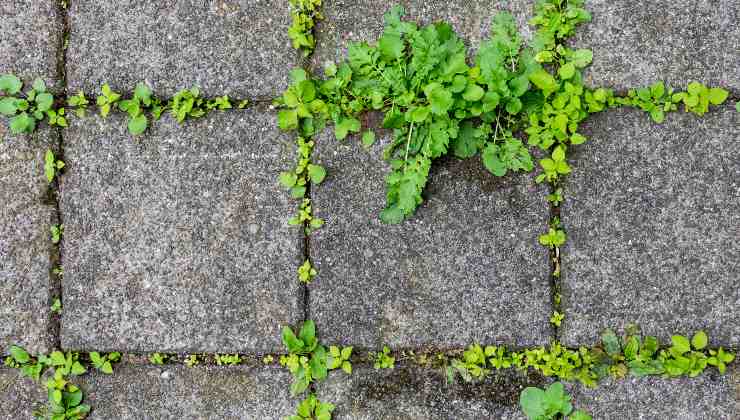
Pests, weeds, and fruit disinfection: that’s what it is.
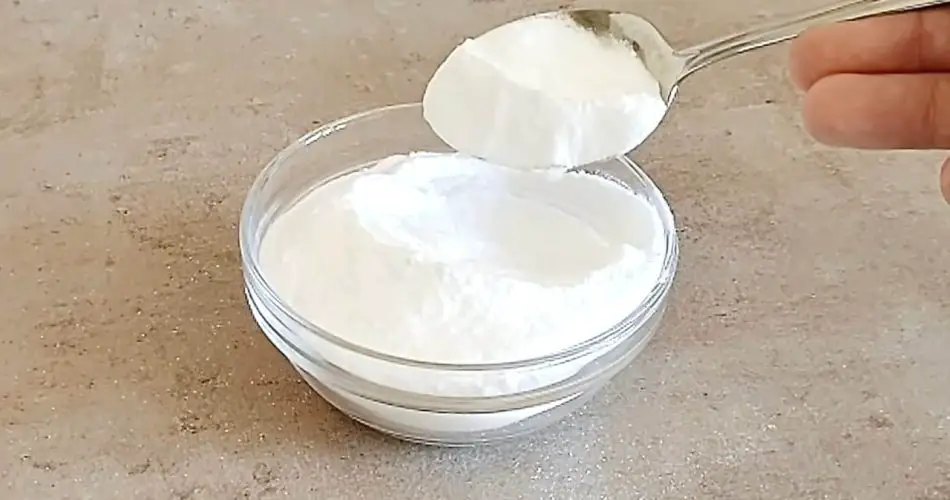
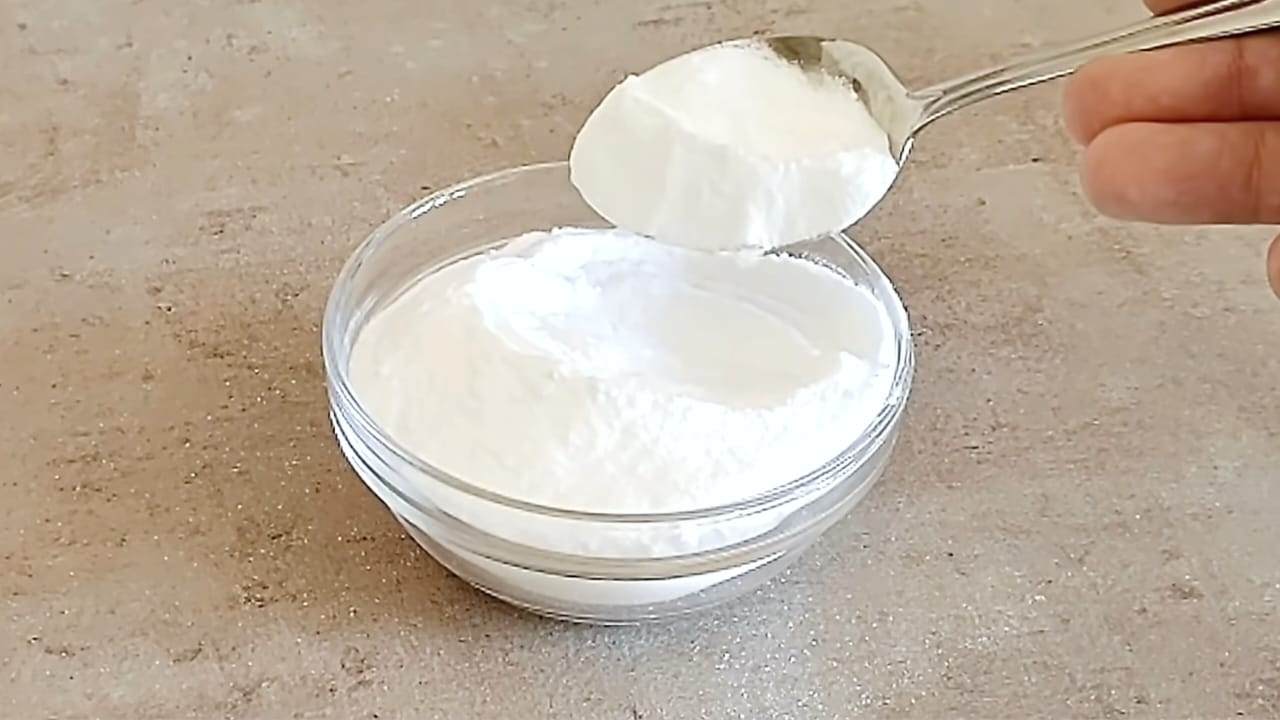
As mentioned, there’s a natural product that you likely already have at home, proving highly useful for the purposes we’ve outlined. We’re referring to baking soda, a versatile ingredient known for its various roles in the household, making it a must-have.
Perhaps you weren’t aware, but baking soda plays a crucial role in caring for garden plants and beyond. It serves as protection against potential diseases and can substitute certain chemicals for spraying. This makes it a more natural and consequently safer solution.
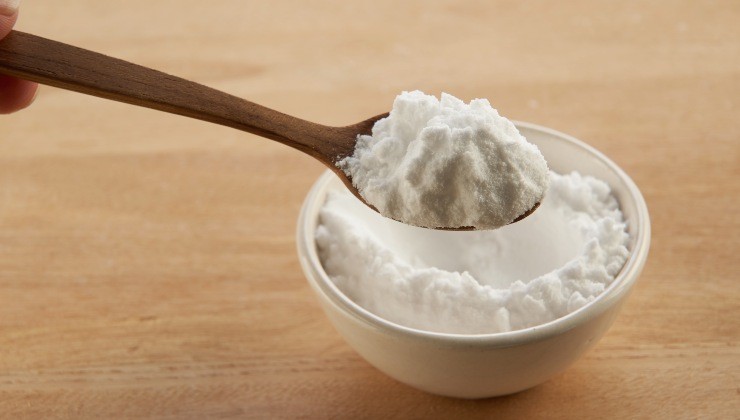
The application of baking soda is particularly recommended for preventing fungal diseases in plants, ensuring healthy growth and robust blooming. This treatment is equally beneficial for fruit and vegetable plants, offering an additional layer of protection.
Moreover, baking soda functions as a deterrent against pests. In small quantities, it can also serve as a supplement for plants that thrive in alkaline soil. However, caution is necessary regarding the dosage, as an incorrect amount can be harmful. For instance, in larger doses, it can effectively eliminate weeds.
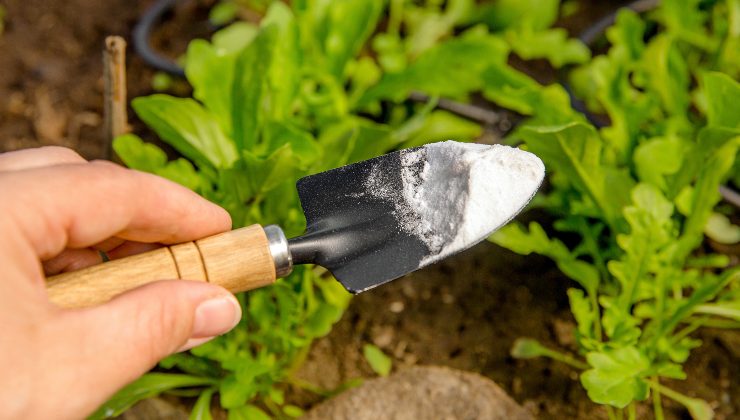
Improper use of baking soda can be detrimental to plants, so exercising caution is essential when considering its application in this manner. Despite this, as mentioned earlier, it proves excellent for disinfecting fruit and eliminating pesticides.
For those contemplating the use of baking soda, we will now provide the correct doses for responsible application, preventing any harm to your plants. Continue reading in the next paragraph for all the details.
Bicarbonate: Recommended Dosages
The suggested doses are 10 grams of baking soda per 1 liter of water. Adjust the amount based on the number of plants you intend to treat, adhering to the initial dose and multiplying as needed. It is crucial to apply the mixture in a widespread manner. Additionally, pay attention to the timing of application, ensuring temperatures do not exceed 35 °C to prevent any phytotoxic effects on plants. Opt for a cool day and perform the treatment during the hours of sunset. Now, let’s explore the doses required to effectively eliminate weeds.
To eradicate weeds, a simpler approach involves using baking soda as a substitute for toxic chemical substances. Simply water the weed and generously cover it with baking soda. This method effectively eliminates the unwanted plant, so exercise caution to avoid affecting desired plants.
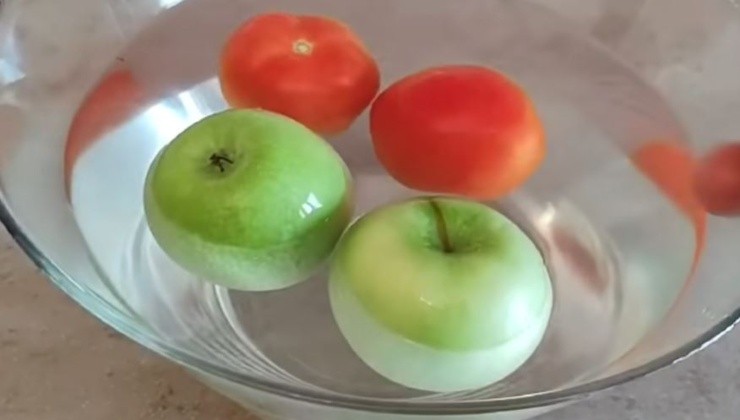
For washing fruits and vegetables, the process is straightforward. Take a bowl and dissolve one or two tablespoons of baking soda in 1 liter of water. Ensure thorough mixing, then soak the fruits and vegetables for approximately 15 minutes before rinsing with water. Now you’re acquainted with how to utilize baking soda effectively.