Do you desire a vibrant display of colorful hydrangea bushes on your balcony or in your garden? Here’s a comprehensive guide to ensure their proper care and growth.
If you seek an exuberant plant that adds a splash of color to your garden, the hydrangea is an excellent choice. Its springtime blossoms exhibit a spectacular array of hues, perfuming the air. Whether you have ample space or wish to adorn your balcony with potted varieties, hydrangeas are adaptable and thrive in the Mediterranean climate. Let’s explore the steps for cultivating them, both in the garden and in containers.
Hydrangea Characteristics:
The hydrangea, scientifically known as Hydrangea, belongs to the Hydrangeaceae family. Renowned for its ornamental appeal, this floral plant boasts large and striking flowers that come in various colors. Originating from Asia and South America, it gained popularity in Europe during the 18th century due to its adaptability, even in colder temperatures.
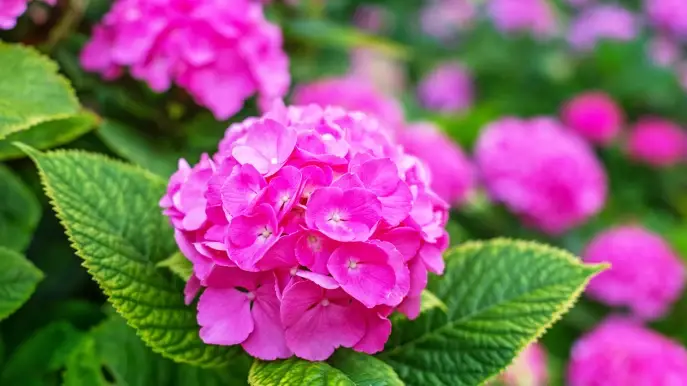
Several varieties exist, with Hydrangea macrophylla being one of the most common. This species produces vibrant flowers whose color depends on the acidity of the soil. On acidic soil, the flowers tend to be blue, while on basic or alkaline soil, they showcase pretty pink or violet hues.
Other varieties, including some climbing ones, are more compact and suitable for pot cultivation. For instance, Hydrangea panicula produces white flowers and is an excellent choice for containers. Regardless of the variety, hydrangeas are undemanding and resilient, thriving in cool and mild conditions. They prefer well-ventilated spaces sheltered from direct sunlight, especially during summer or in warmer regions. These plants also withstand winter well, even enduring harsh temperatures.
Planting Hydrangeas:
Embarking on the journey of growing hydrangeas involves several steps to ensure robust plants with beautiful blossoms. Begin by selecting the appropriate planting time. If starting from seeds, spring, around April, is ideal. For purchased seedlings, plant them in May or wait for autumn, between October and November.
Prepare the soil with a focus on providing a moist and humus-rich foundation. Incorporate natural fertilizers such as acidic peat or manure. Hydrangeas thrive when placed in well-ventilated locations protected from direct sunlight, except during winter. Mulch the soil in the garden to shield it from cold temperatures.
Container Planting:
To plant hydrangeas in pots, choose a sufficiently large container based on the selected variety. Ensure the pot has drainage holes at the bottom for efficient water drainage. Fill it with hydrangea-friendly soil and use fertilizer to supply necessary nutrients. Plant seeds directly into the soil or germinate them first using various techniques. For seedlings, check that their roots are moist before planting. Dig a reasonably deep hole, place the plant, and compact the soil. Water immediately after planting.
Garden Planting:
Similar guidelines apply for planting hydrangeas in the garden. Focus on fertilization, especially when specific hydrangea-friendly soil is unavailable. Dig deep to soften the soil, create a small hole, and insert seeds or purchased plants. Compact the soil and water promptly, as hydrangeas require consistent moisture and are susceptible to drought.
Caring for Growing Hydrangeas: