Are you in search of a natural pesticide to protect your plants? Consider trying out the baking soda trick and other effective recipes that you can implement right away.
Maintaining a flourishing garden or balcony can be challenging when faced with persistent pests. These tiny invaders can wreak havoc on your plants, causing substantial damage or, in some cases, leading to their demise. Parasites come in various forms, some common and nearly unavoidable, while others are less frequent but equally troublesome. When confronting such issues, swift action is crucial to prevent potential infestations. If it’s too late for prevention, it becomes imperative to identify the best pesticide solution for your needs.
However, relying on chemical insecticides might not be the optimal choice. While these products effectively combat parasites, they are often highly polluting and pose health risks. Applying them to fruits, vegetables, or herbs destined for the kitchen is not ideal. Instead, consider trying natural remedies—environmentally friendly and often more economical, as they utilize readily available ingredients. Here are some highly effective options.
Natural Pesticide with Baking Soda:
Sodium bicarbonate, commonly known as baking soda, surprisingly possesses repellent properties against insects and parasites. It serves as an ideal ally for household cleaning and laundry. Furthermore, it is harmless to plants and safe for humans. Employ the following methods to protect your crops:
- Sprinkle baking soda around your plants: Apply a light layer of baking soda on the garden soil and balcony floor where flower pots are placed. This helps deter earthworms, snails, and ants.
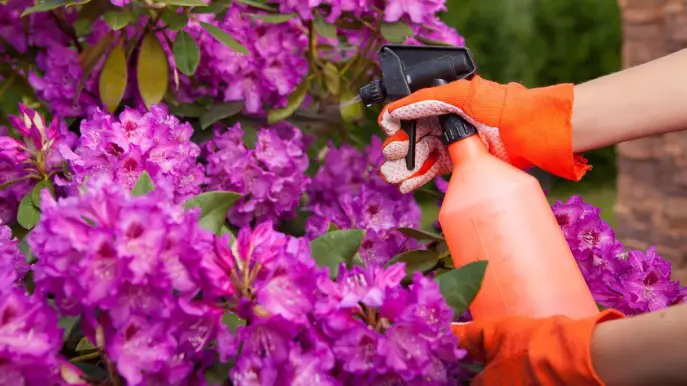
- Baking soda solution: Dissolve 3 tablespoons of baking soda in 4 liters of hot water. Transfer the solution to a spray bottle and mist it on the leaves and surrounding soil for enhanced effectiveness against parasitic infestations.
- Powerful baking soda remedy: Mix 1 liter of water, 4 tablespoons of baking soda, and 60 ml of olive oil in a spray bottle. Apply the solution on leaves and around the plant, avoiding fruits and flowers. For optimal results, apply early in the morning or in the evening to prevent rapid water evaporation in the sun.
Other Natural Parasite Remedies: Baking soda is just one option; there are several other natural remedies to combat parasites.
- Marseille Soap: Effective against scale insects or aphids, Marseille soap is widely used in agriculture. Dissolve flakes of Marseille soap in water over low heat, let it cool, and transfer it to a spray container. For added potency, include a few drops of Neem oil.
- Propolis: This bee-produced substance, rich in flavonoids, strengthens the plant’s defenses. While preparation is more involved, it proves highly effective and safe. Create an aqueous solution with propolis and soy lecithin, followed by an alcoholic solution. Mix the two solutions for an efficient pesticide against parasites and fungi.
- Nettle Macerate: Nettles soaked in water for a couple of days create an effective insecticide. Filter the solution and spray it directly on plants without further dilution. Additionally, you can use the soaked nettles as an excellent fertilizer.
- Garlic Macerate: Garlic, containing allicin with strong antiparasitic properties, can be transformed into a potent insecticide. Crush garlic and let it macerate in hot water. Filter the mixture and transfer it to a spray bottle, applying it directly to plants without dilution.
Embrace these natural pesticide solutions for a healthier and more environmentally friendly approach to plant protection.