Aloe vera, a versatile plant belonging to the Asphodelaceae family, has been valued since ancient times for its various applications in phytotherapy, herbal medicine, cosmetics, and food.
Extracted from its leaves, aloe gel and aloe juice offer a rich blend of vitamins, enzymes, amino acids, polysaccharides, water, plant hormones, and anthraquinones.
Aloe vera: what are the properties of the plant culture?
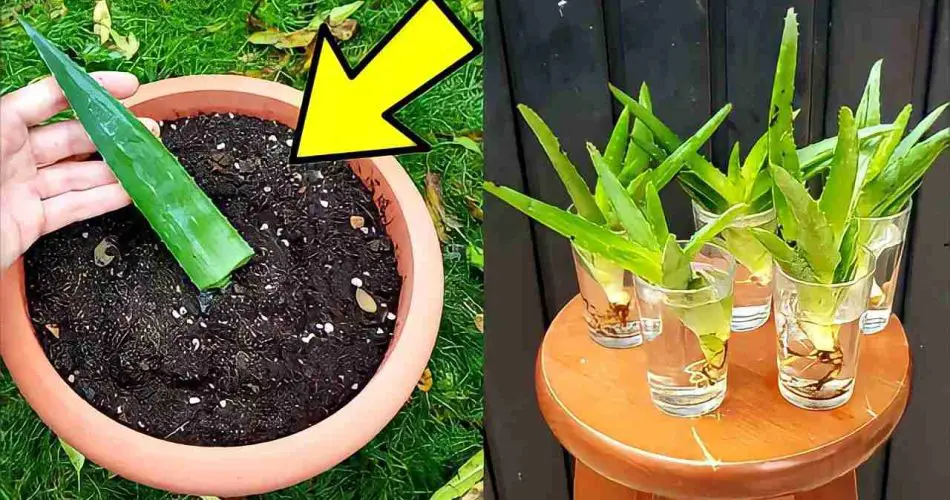
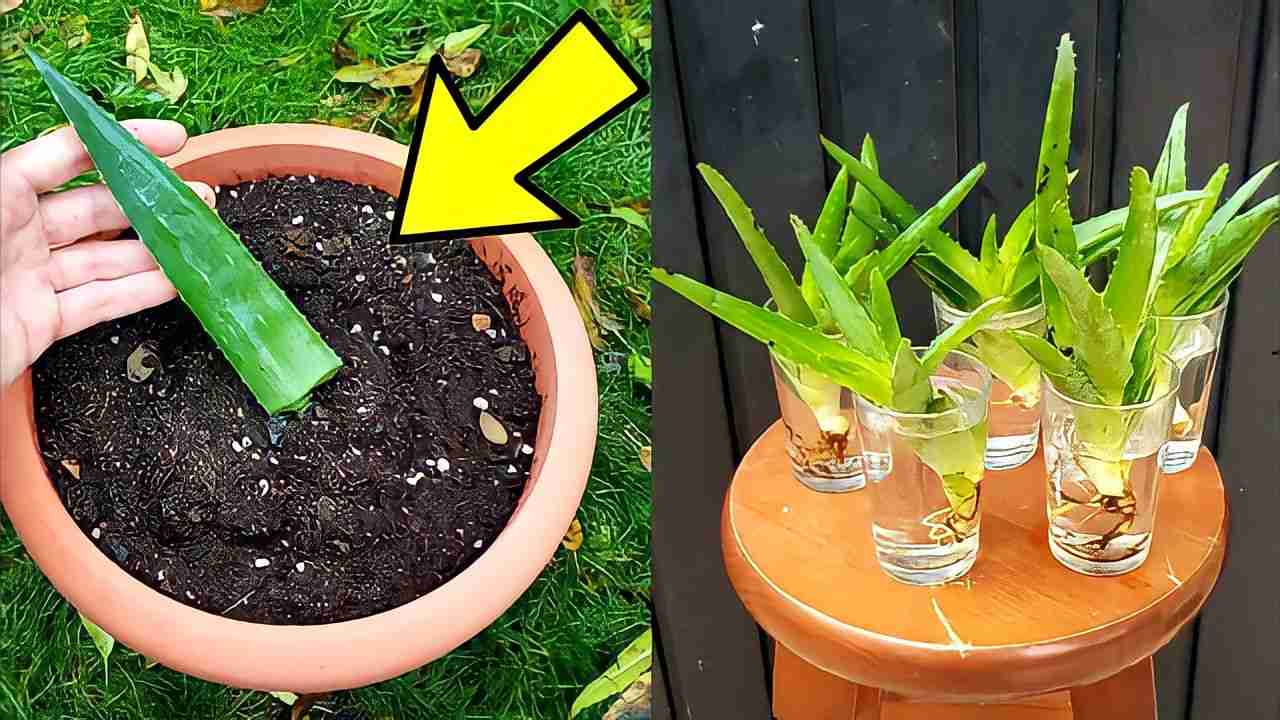
The plant boasts numerous properties, including gastro-protective and anti-inflammatory attributes, laxative effects, and immune system support. Cultivating Aloe vera requires attention and care, particularly in stimulating reproduction. Aloe shoots (cuttings) can be harvested in summer, left to rest in darkness for three days to heal, and then planted in a pot containing sand and peat—nutrient-rich and porous soil with efficient drainage.
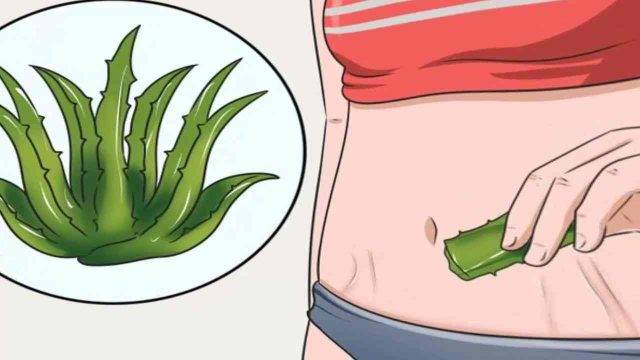
Providing sunlight is crucial, but direct exposure should be avoided to prevent leaf burn. Proper watering involves a 20-day interval, as Aloe vera doesn’t require frequent watering. Organic fertilizers are recommended for fertilization, with options like coffee grounds, nettle macerate, or vegetable cooking water to enrich the soil with antioxidants, nitrogen, and essential nutrients.
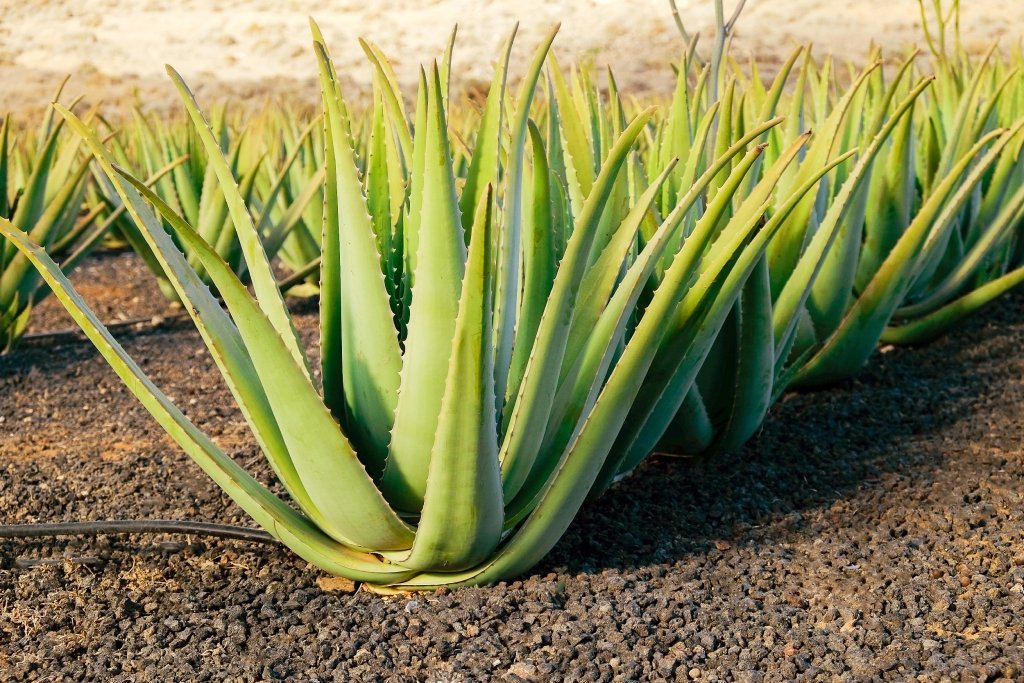
Aloe vera thrives in temperatures ranging from 18 to 30 degrees Celsius. Adequate sunlight is essential, but indirect exposure is preferred, allowing placement in shaded areas of the garden or terrace. To mitigate high humidity levels, using a dehumidifier in the room housing the Aloe vera is recommended.
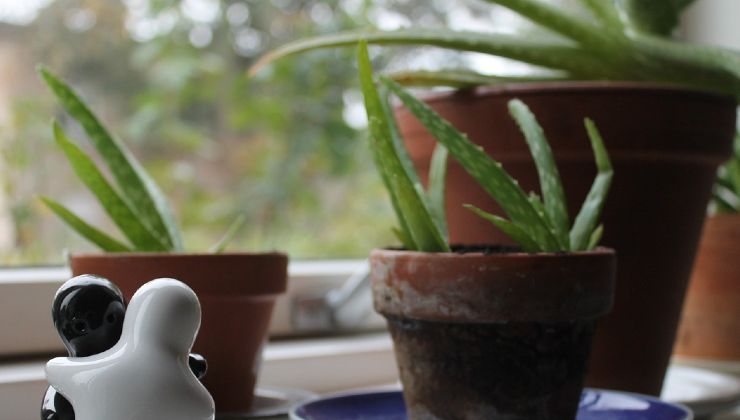
It is also best to avoid places with a rather high humidity level : a dehumidifier could be the perfect solution to use in the room where you keep the aloe.