Unlock the secret to cultivating enormous, red, and juicy tomatoes with a method backed by scientific studies.
Unveil the details you’ve been eagerly awaiting, the makeup for your plant that you’ll never want to forsake.
Cultivating Huge, Red Tomatoes: A Unique Method
For passionate plant enthusiasts seeking robust and healthy growth, especially when it comes to tomato plants, a lesser-known yet scientifically proven method involving two unusual yet potent products—classic aspirin and salicylic acid—can yield sensational results.
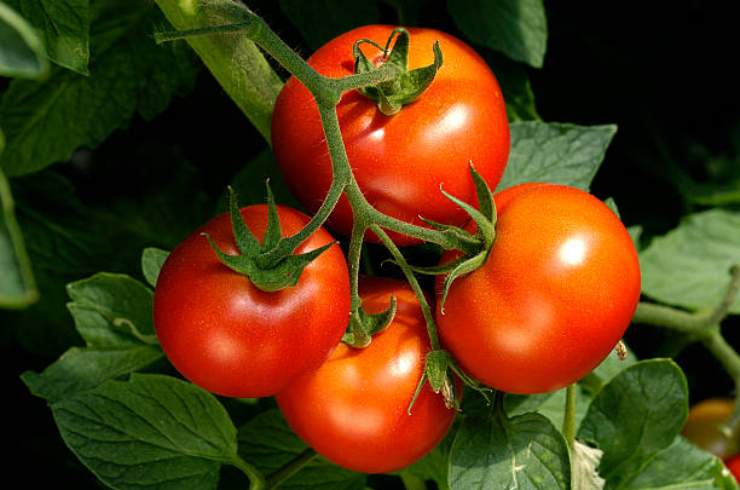
Let’s delve into the details of this organic and entirely natural approach, shedding light on the use of salicylic acid derived from the bark of the white willow.
Natural and Organic Salicylic Acid for Huge, Red Tomatoes
Identifiable by its lighter leaves and ash-like appearance, the white willow serves as a source of organic and natural salicylic acid. This method, embraced by organic gardeners, offers an alternative to aspirin.

Scientific studies affirm that plants generally produce salicylic acid, particularly when combating issues like mold or bacteria. As plants face the onset of diseases, they automatically secrete salicylic acid, serving as a natural defense mechanism against parasites and other potential threats.
The natural production of salicylic acid is crucial for the cellular composition of plants, providing a formidable defense against diseases and contributing to enhanced yields, especially in the case of tomato plants.
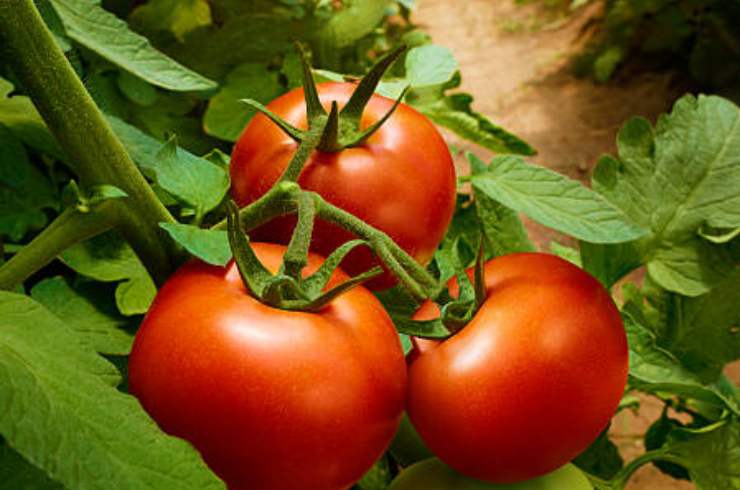
Effect of Salicylic Acid on Tomato Plant Growth
Salicylic acid significantly influences tomato plants by protecting them against diseases such as downy mildew, powdery mildew, and fungi. It acts as a preventive measure, reducing the likelihood of diseases affecting tomato plants. The use of basic elements like white willow bark, salicylic acid, or aspirin proves to be an excellent preventative strategy.
It’s vital to note that these measures are not curative for plants already afflicted by diseases. Aspirin, in particular, is most effective when applied during the early stages of plant treatment.
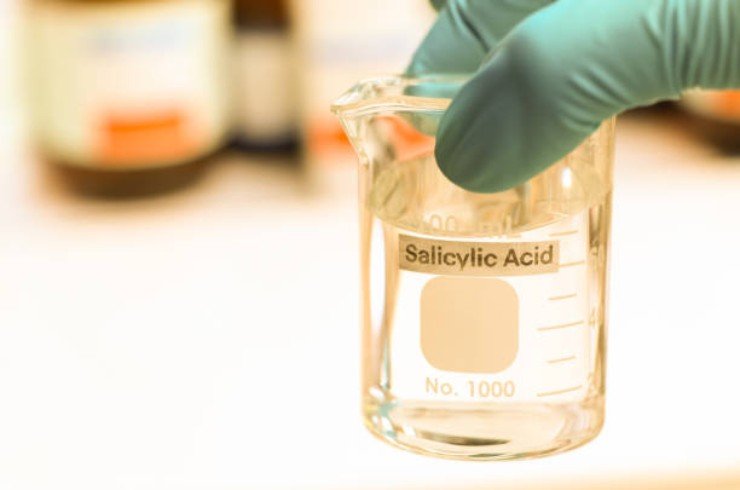
Using Aspirin for Plants: Precise Instructions
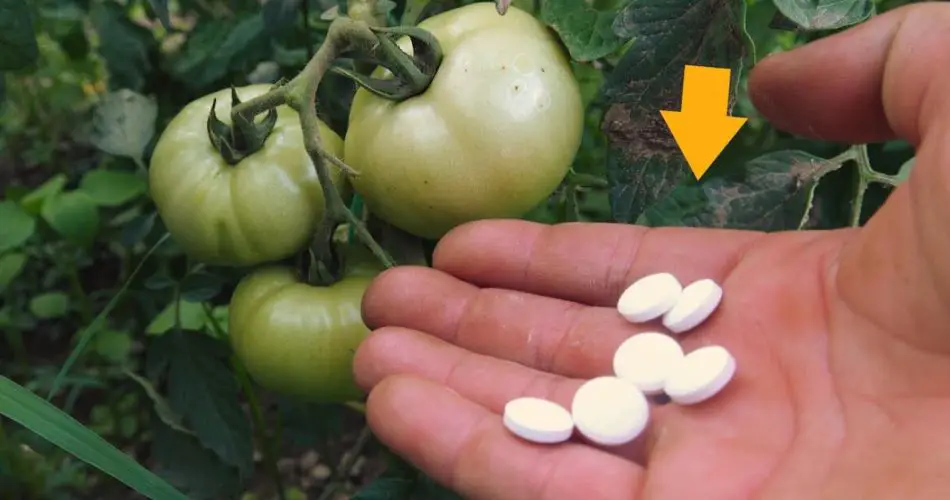
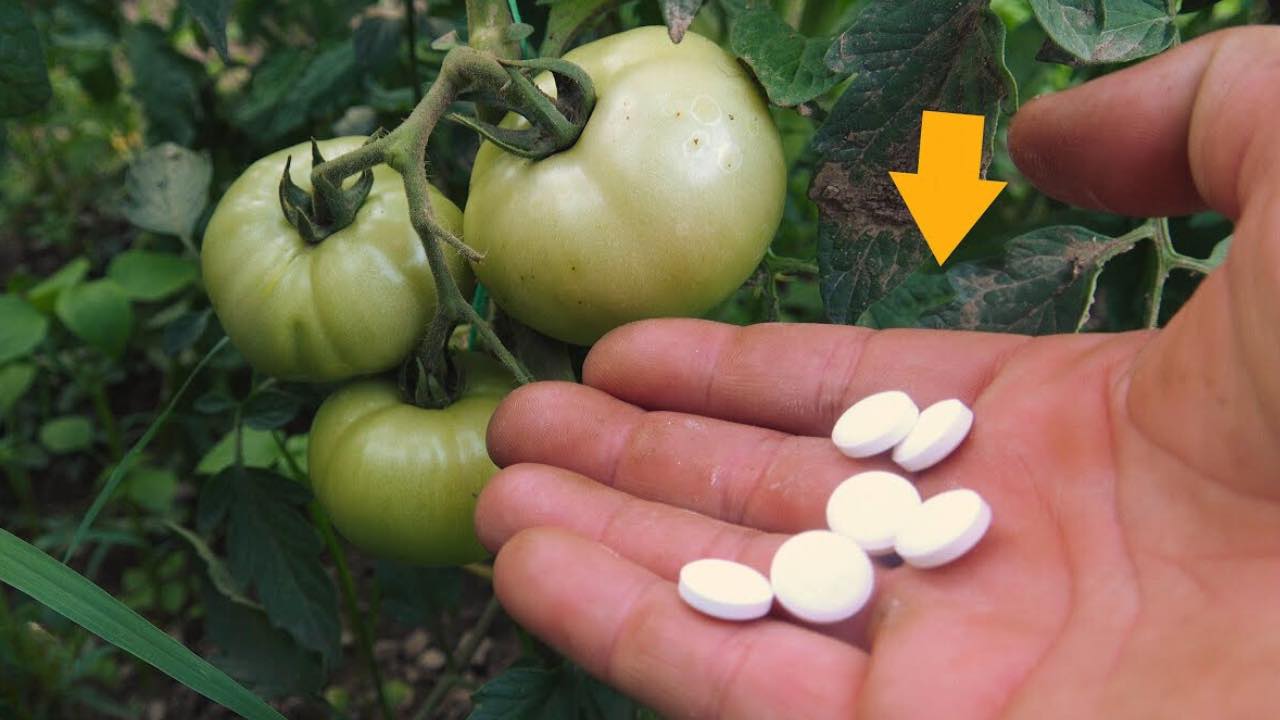
For aspirin application, the recommended dosage is one tablet per 3.5 liters of water, ensuring it is not harmful to plants. Salicylic acid and aspirin can be applied through spraying or watering.
When plants are not fully mature, spraying them repeatedly with salicylic acid, but only after rain, every three weeks, proves beneficial. Salicylic acid aids plants in tolerating varying weather conditions, including humidity and dryness.
Opt for the organic version of salicylic acid for a more generous application without fear of overdosing. Aspirin, being a concentrated form of salicylic acid, requires careful dosage consideration.
In conclusion, this procedure promises remarkable results for tomato plants. Salicylic acid, whether from white willow bark or in aspirin form, serves as a valuable preventive measure against diseases. It’s essential to apply these methods to healthy plants from the outset, emphasizing early-care strategies. To witness these satisfying results firsthand, diligently follow all provided instructions.