Why use baking soda on plants? There’s a specific reason that makes this practice essential.
Why use baking soda on plants? There’s a specific reason that makes this practice essential.
Baking soda, a versatile household product, boasts various uses, from cleaning surfaces to softening dried vegetables and aiding digestion after heavy meals. However, many are unaware of its valuable role in ecological protection for gardens, orchards, and plants.
Baking soda’s effectiveness shines through in combatting powdery mildew, a common pathogen affecting plants like grapevines, zucchinis, and sage. In agriculture, two distinct forms of bicarbonate—sodium bicarbonate and potassium bicarbonate—serve specific purposes, especially in fighting fungal diseases, making them optimal choices for organic farming.
Sodium bicarbonate, classified as an “invigorating” substance, enhances plants’ natural defense mechanisms. On the other hand, potassium bicarbonate, considered a pesticide, falls under pesticide regulations but is effective for a limited duration, allowing treatment before fruit ripening.
Sodium bicarbonate and Potassium bicarbonate
It’s crucial to distinguish between the two variants, as sodium bicarbonate acts as a tonic, while potassium bicarbonate functions primarily as a pesticide. Professional farmers with the necessary authorization can use pesticides, while hobbyist farmers have access to different product formats without requiring specific authorization.
Since the regulation of the pesticide industry through the National Action Plan in 2015, the availability of products for private individuals has decreased, encouraging environmentally friendly alternatives for gardening.
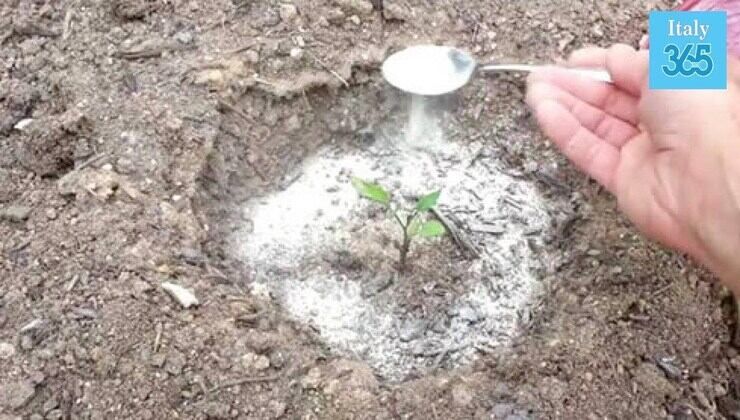
Why put baking soda on plants?
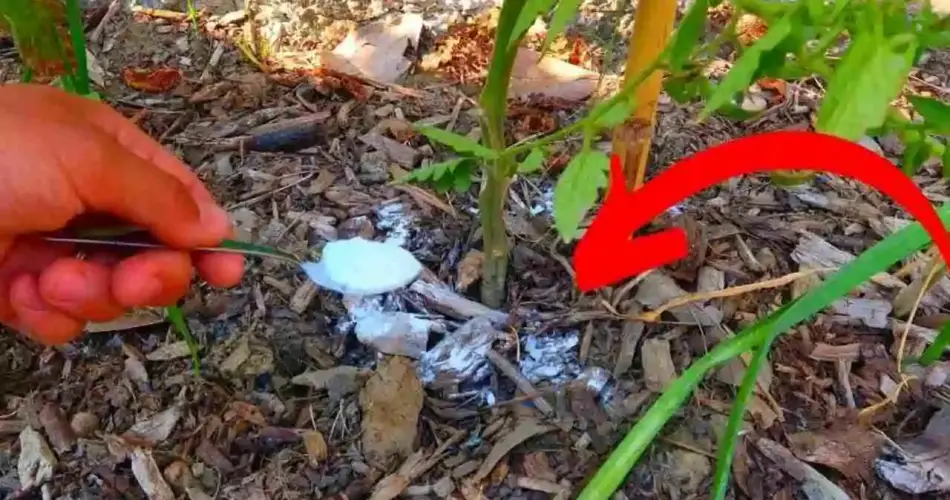
The application of baking soda on plants serves to safeguard them against fungal ailments. By raising the solution’s pH, bicarbonate creates unfavorable conditions for harmful fungal growth, dehydrating and preventing further propagation. However, treatments must be prompt and preventative, not capable of restoring plants with significant damage.
For sodium bicarbonate, recommended concentrations range from 500g to a maximum of 1500g per hectoliter of water. The dosage depends on the scale of the application, with 5-15g for a 1-liter spray bottle and 75-225g for a 15-liter backpack pump.
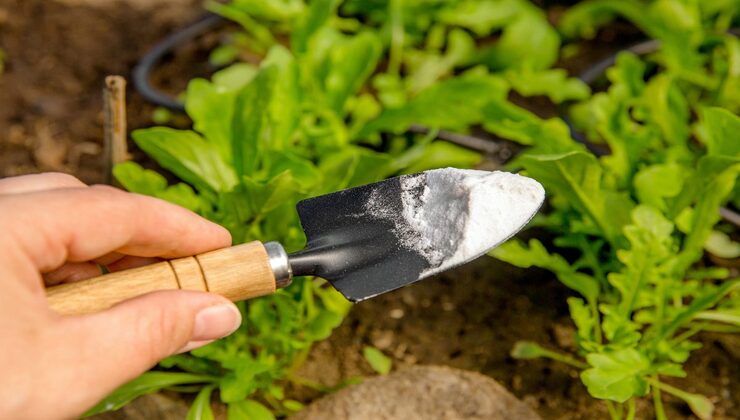
Regardless of the substance used, adherence to recommended dosages is crucial to avoid burns or pH imbalances in the soil. When using potassium bicarbonate, follow the recommended dosages and precautions provided on the product label for different plant species.
Effective treatments should be carried out in the coolest parts of the day, avoiding application when ambient temperatures exceed 35°C to prevent phytotoxicity. Patience is necessary during high-temperature periods, waiting for cooler days and removing the most affected leaves in the meantime.