For an effective defense against perilous fungal diseases affecting plants, a reliable solution can be employed.
As the warmer days beckon, the eagerness to adorn one’s home and garden with vibrant plants that add brightness and color to various spaces intensifies. Cultivating plants not only enhances the aesthetics but also offers the prospect of enjoying their bountiful yields, such as tomatoes, cucumbers, zucchinis, eggplants, and more. However, seasoned plant enthusiasts understand the importance of meticulous care to foster the health and strength of their green companions. Unfortunately, the looming threat of plant diseases necessitates proactive measures, but fortunately, effective solutions are available to safeguard our botanical friends.
Defending Against Plant Diseases: A Simple Remedy in a Few Steps
During the summer, when temperatures comfortably reach and surpass 30 degrees Celsius, plants exhibit enhanced resilience against certain diseases, such as downy mildew. However, the scenario changes with the onset of rain, as declining air temperatures and increased humidity create ideal conditions for fungal diseases to thrive.
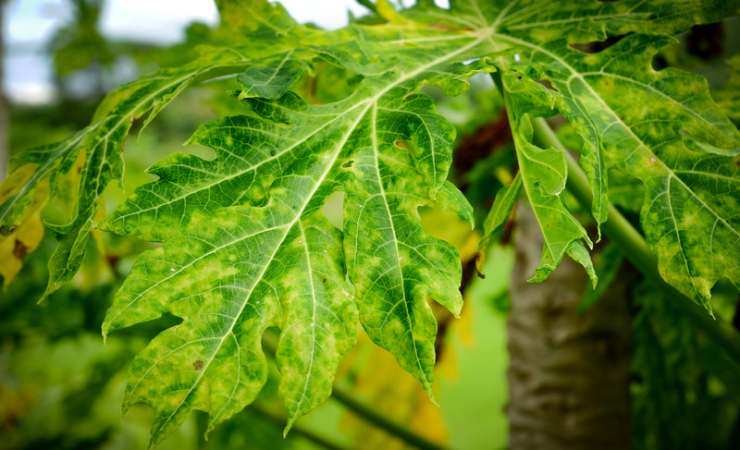
Downy mildew commonly targets tomato plants and grapevines, but all plants can fall victim to various diseases. To shield our plants from potential illnesses, opting for organic preparations that can be sprayed onto the plants provides effective protection against fungal diseases.
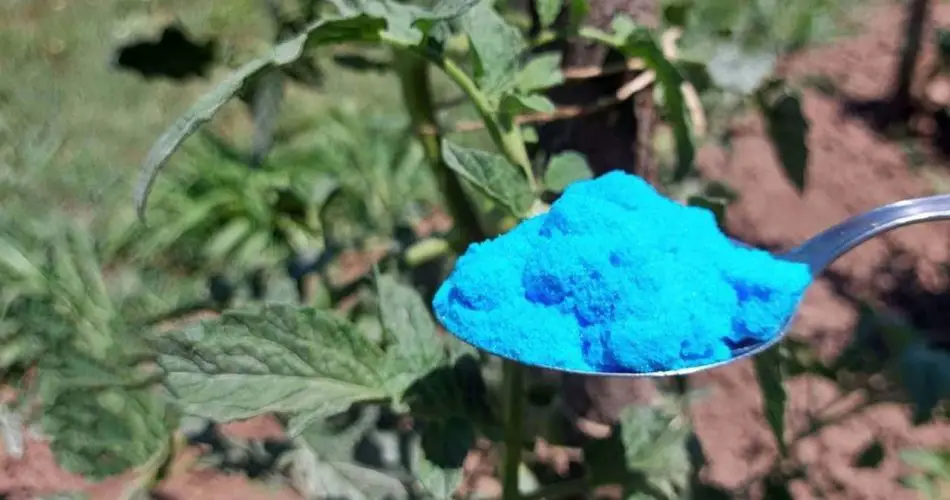
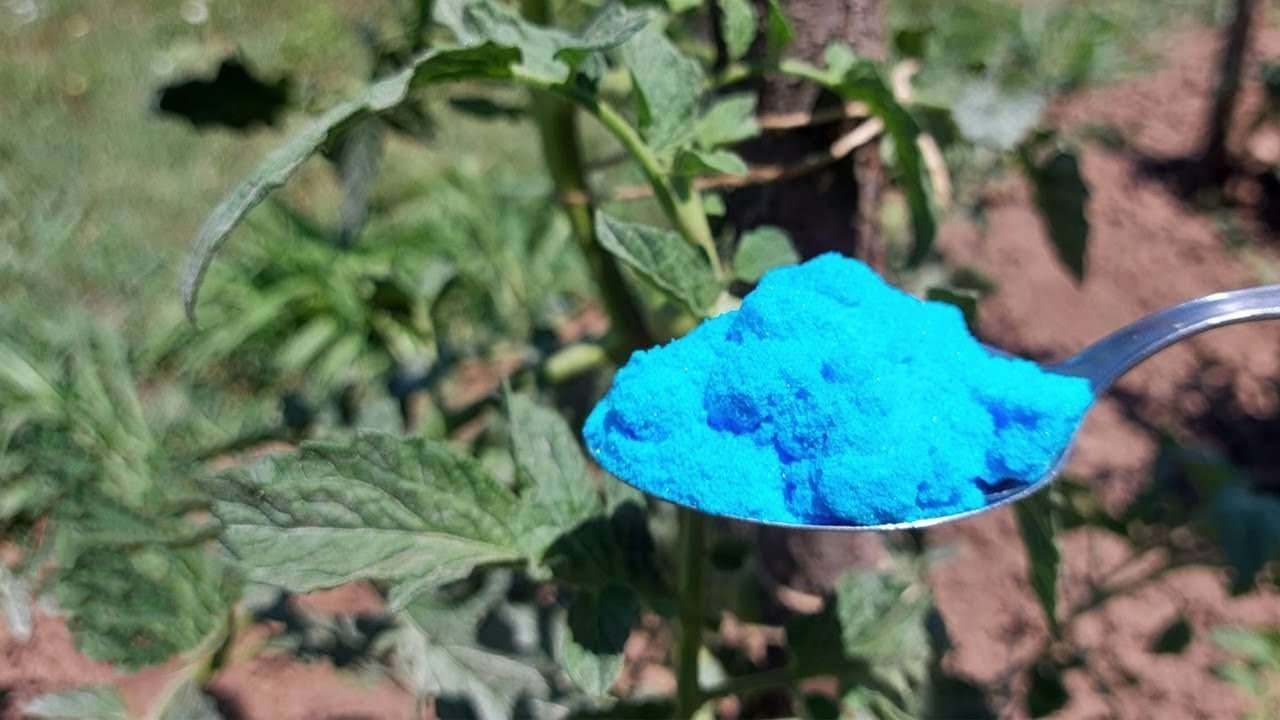
For instance, copper sulfate is a widely used product for safeguarding vines, vegetables, and fruit. Known for its fungicidal and bactericidal properties, copper sulfate has been employed since ancient times. Due to its chemical nature, it is advisable to apply copper sulfate when temperatures are not excessively high, as heat could exacerbate the situation instead of improving it. Therefore, copper sulfate is typically applied during autumn and winter, with tomato plants receiving a spray about two weeks before the fruit ripens.
Baking soda and milk also serve as excellent protections for plants.
As an alternative to chemical products during fruit ripening, baking soda and milk offer safe options for protecting plants from fungal diseases.
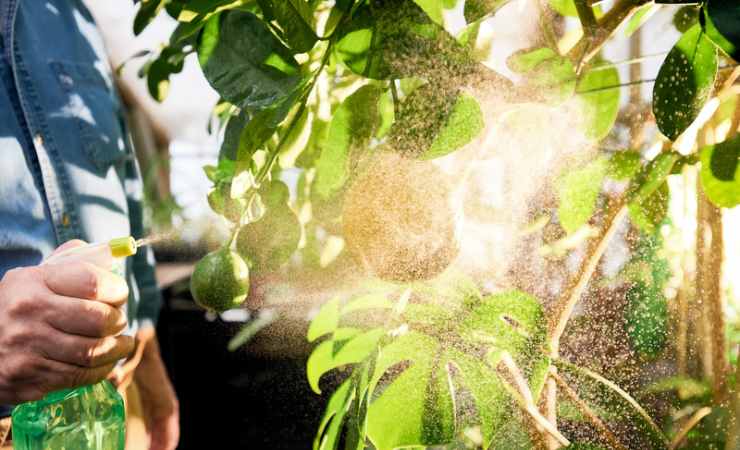
While these solutions may be considered less potent than copper sulfate, they still provide satisfactory protective effects. Ideally, spraying the bicarbonate or milk solution on plants once a week ensures a consistent shield against fungal diseases. Additionally, the fruits can be harvested and consumed immediately after spraying. Over a short period, the results will manifest in robust, healthy plant growth, free from the threat of fungal diseases.