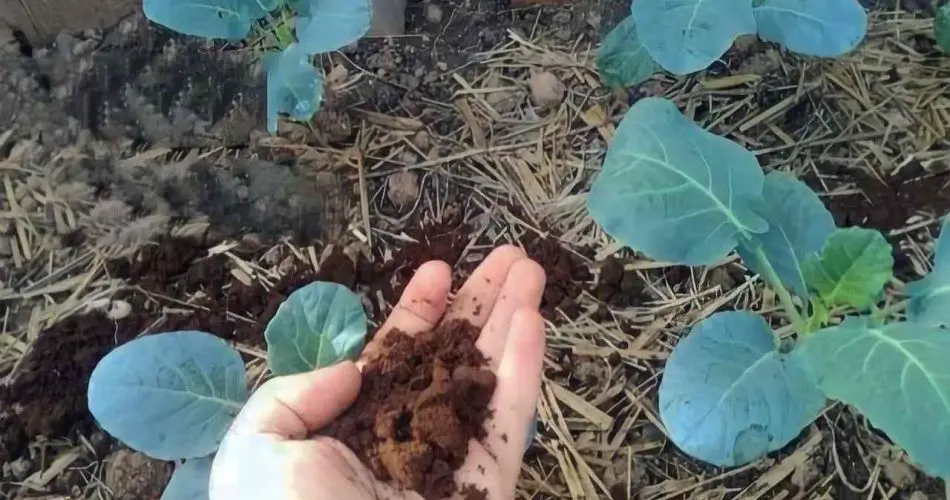
Caring for plants involves more than meets the eye, with several precautions, especially regarding fertilization. Bid farewell to chemical options and embrace a perfect natural fertilizer for your plants – let’s explore how.
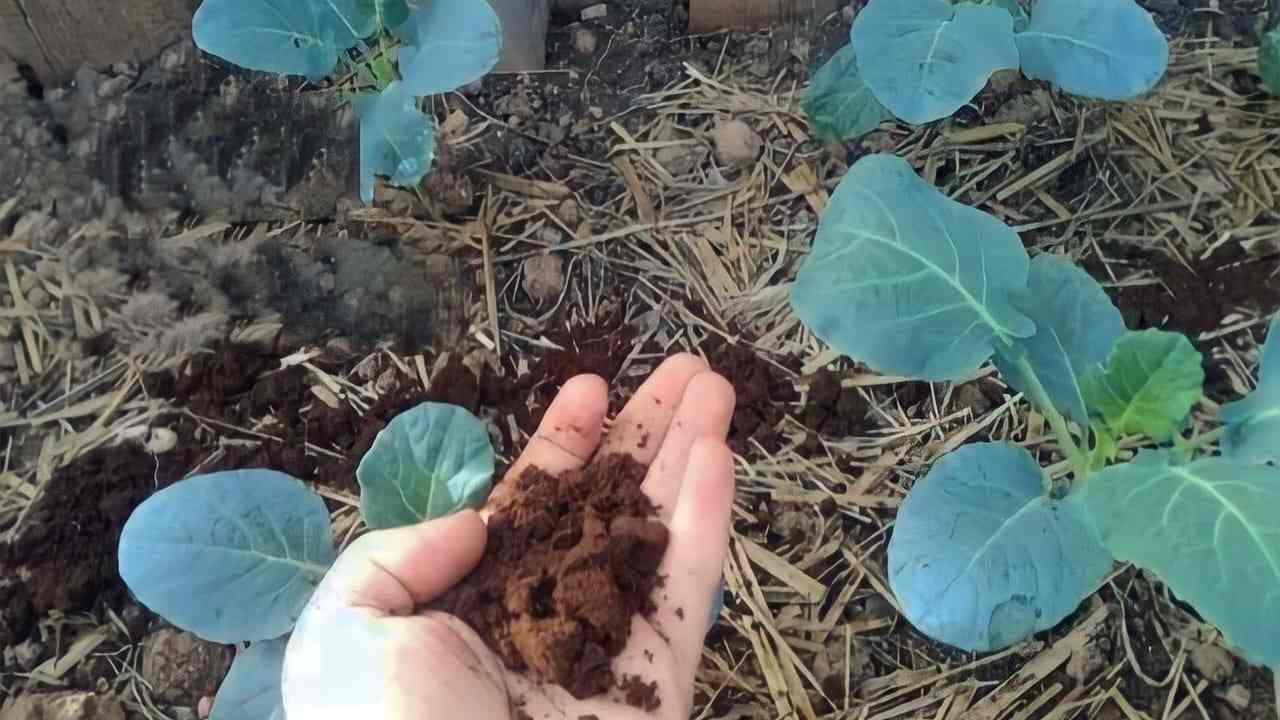
Ensuring the healthy and balanced growth of any plant demands perseverance and attention. Did you know that an amazing natural fertilizer for plants can be crafted with just one ingredient, readily available at home? This ingenious trick might make your neighbors envious. Unbelievable, isn’t it? Let’s delve into the details.
Details on Natural Plant Fertilizer
Not everyone possesses a green thumb, prompting the need for clever strategies to nurture plants healthily without extravagant costs. Whether it’s a petite green space or a full-fledged vegetable garden, providing the right amount of fertilizers is crucial. Fertilizers play a fundamental role in ensuring robust flowering and the longevity of plants. While numerous types of fertilizers crowd the market, many are environmentally and health-harming due to their chemical composition.
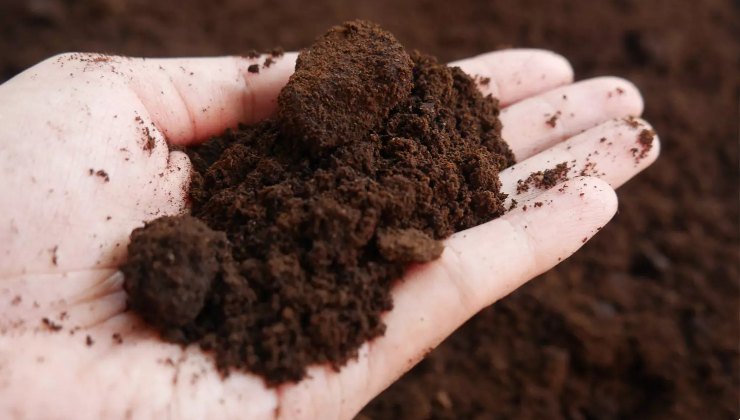
To bypass these concerns, turning to natural fertilizers is a wise choice. Common household ingredients can be repurposed to serve this purpose effectively. One such household item with potential benefits is coffee grounds. Let’s discover how to use them in a straightforward process.
The process
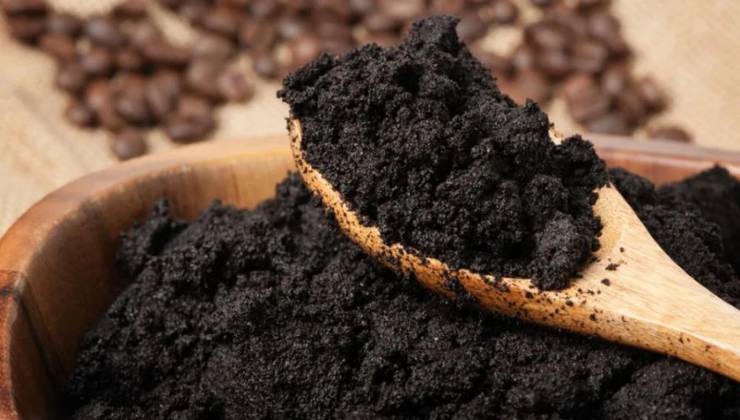
Typically discarded in the trash, coffee grounds hold untapped potential as an excellent natural fertilizer for plants. Let’s put an end to this waste, as coffee grounds contain a substantial amount of nitrogen, calcium, magnesium, and antioxidants – all vital for nourishing the soil. Additionally, they act as repellents against various pests.
The process is remarkably simple and takes only a couple of minutes. Begin by taking a one-and-a-half-liter plastic bottle and filling it with a liter of water. Using a funnel, pour approximately 4 tablespoons of coffee grounds into the bottle.