The key to maintaining a thriving garden lies in a single secret ingredient, and the best part is, it’s free. Let’s explore what this ingredient is.
Whether you possess a garden or a petite vegetable plot, the ultimate gratification lies in witnessing its abundant lushness. Frequently, we resort to commercial fertilizers available in various formulations, yet not everyone is aware that it’s feasible to create a nitrogen-based fertilizer right at home using an easily accessible natural ingredient. Let’s delve into the process.
Achieving a healthy garden
Nurturing a vibrant garden may present challenges, but with careful planning and attention, it can certainly evolve into a delightful and fulfilling pursuit. The initial step involves meticulously designing the garden layout.
Considering factors such as the sun’s position, garden size, and maintenance requirements is essential. Once the organizational aspects are determined, selecting climate-appropriate plants becomes imperative, and soil preparation is the subsequent requisite.
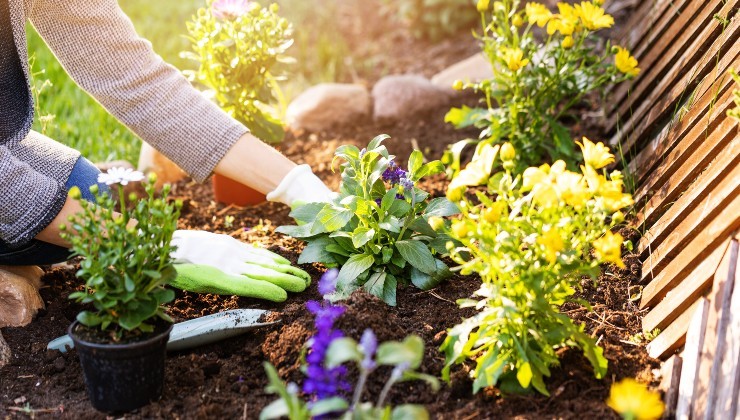
Among the essential care practices are regular watering and providing adequate sunlight. Keeping the garden free from weeds and pests is also crucial. While tending to the garden at least once a week aids in its upkeep, having well-nourished soil is equally vital. This can be achieved through a fundamental nutrient—nitrogen, which can be sourced for free in nature. Let’s explore how to create a nitrogen-based fertilizer for the garden using a plant considered a weed: the nettle.
A fertilizer to enrich the soil
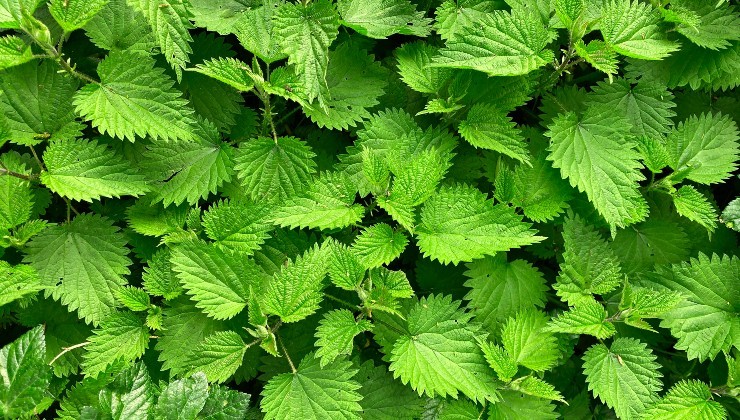
As mentioned, it is possible to craft a nitrogen-based fertilizer by leveraging what nature readily offers. In this case, nettles, well-known and fast-growing weeds, emerge as excellent allies.
Nettles are plants that thrive virtually worldwide. They boast a rich profile of vitamins and minerals, serving as sources of antioxidants, protein, fiber, and essential fatty acids. Abundant in iron, calcium, phosphorus, magnesium, and potassium, nettles also contain various B vitamins, including thiamine, riboflavin, niacin, pantothenic acid, vitamin B6, and vitamin B12. Additionally, they feature vitamins A, C, E, and K. Due to these properties, nettles are frequently utilized in herbal teas, supplements, decoctions, and even as garden fertilizers.

Fertilizer derived from nettles can significantly enhance soil fertility and contribute to the overall well-being of plants. This organic fertilizer is rich in nutrients, including potassium, calcium, phosphorus, magnesium, nitrogen, and more.
It serves various purposes such as nourishing plants, enhancing soil structure, reducing pest infestation, and preventing plant diseases. Additionally, it proves beneficial in fortifying plants against cold and drought. In essence, it becomes a genuine remedy for fostering a healthy garden. Let’s explore the process of preparing this beneficial fertilizer.
Fertilizer Preparation
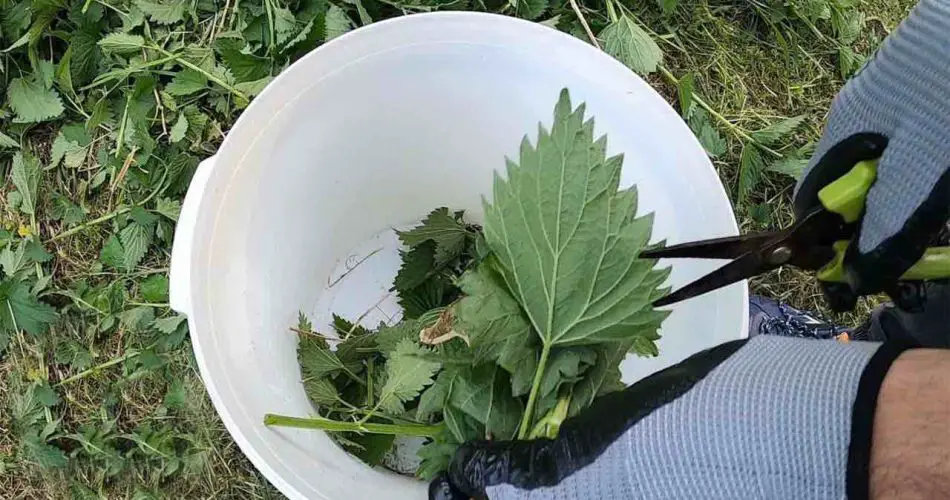
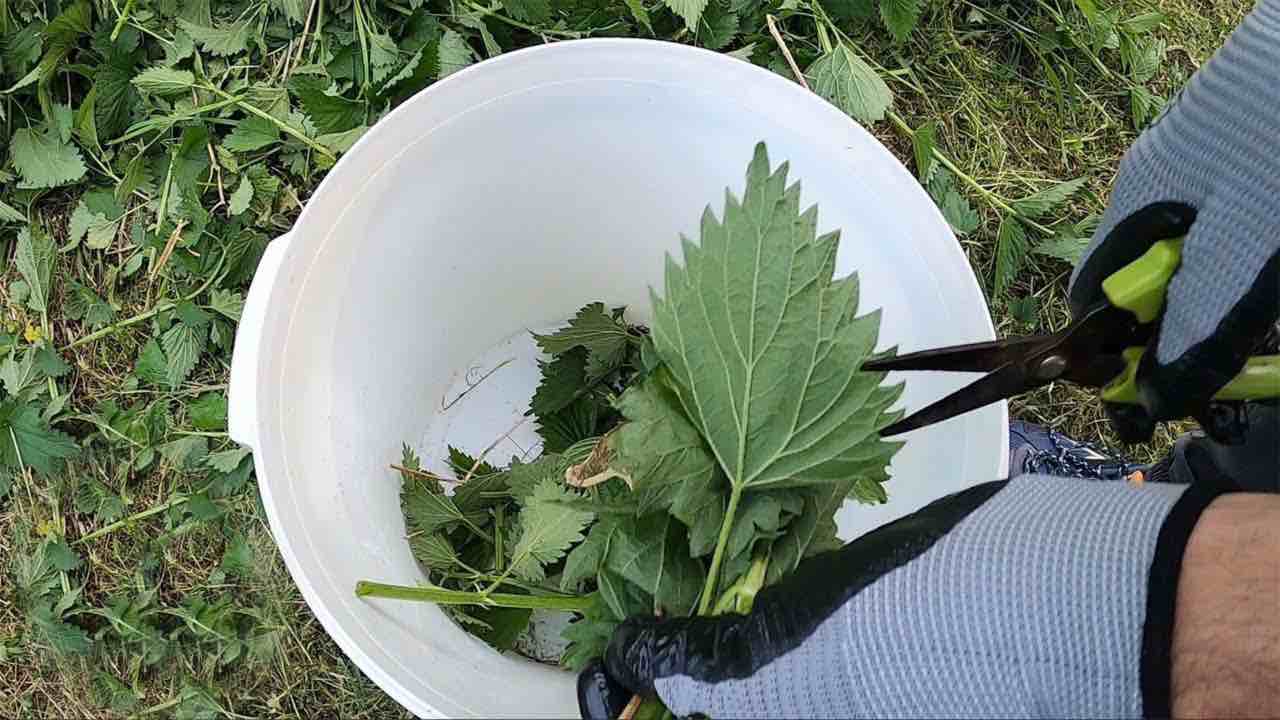
To create an outstanding fertilizer, begin by gathering nettles. These plants can be safely harvested, so wear gloves and start harvesting the required amount for your garden.
Secure a bucket to hold the nettles. It is advisable to chop the leaves into small pieces to facilitate the fermentation process.
Once the harvesting is complete, add rainwater to the bucket, ensuring not to fill it to the brim as fermentation will cause an increase in volume. Subsequently, cover the bucket to initiate the fermentation process.
After completing these steps, locate a sheltered area for your bucket, as you’ll need to wait for 3 weeks until the fertilizer is ready, and the fermentation process typically produces unpleasant odors. Throughout this period, remember to stir the mixture regularly every 3 or 4 days.
When you observe the absence of bubbles and foam, signaling the completion of fermentation, your fertilizer will be ready. Given its potency, it is crucial to dilute it in a ratio of 1:10 before use—meaning, for one cup of fertilizer, add 10 cups of water. You can then utilize it to irrigate your garden every 3 weeks, and in no time, you’ll witness the benefits of well-nourished soil.