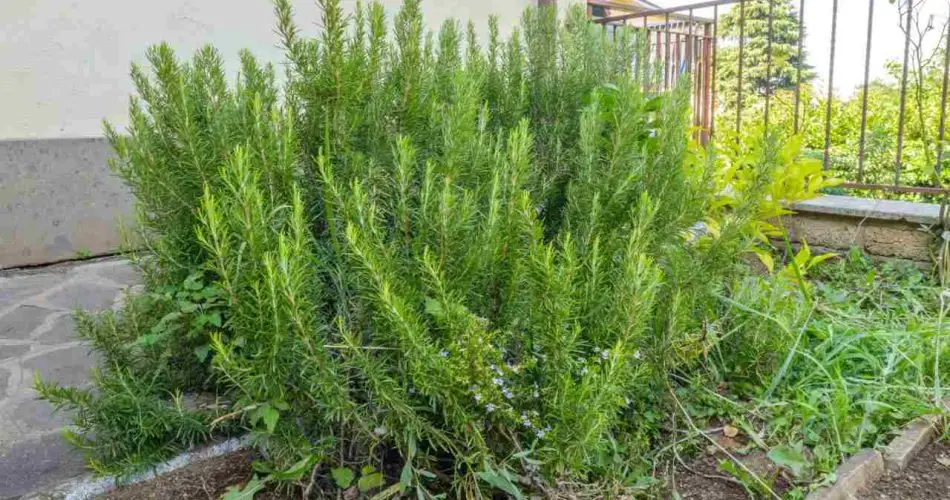
Rosemary stands out as a resilient and easily cultivated aromatic plant. However, unlocking its potential for abundance and lushness involves a specific technique, as outlined below.

Understanding the Versatility of Rosemary
Rosemary is a highly versatile aromatic plant, finding a prominent place on balconies, windowsills, and terraces due to its myriad uses and benefits. Boasting a rich history of culinary and therapeutic applications, this plant offers both a delightful fragrance and numerous health advantages.
In the realm of culinary arts, rosemary takes center stage for its distinctive aroma and flavor. Whether used fresh or dried, its aromatic leaves enhance a variety of dishes, including roast meats, poultry, vegetables, potatoes, bread, and sauces, infusing them with freshness and depth.
Beyond the kitchen, rosemary’s essential oil is employed in aromatherapy for its invigorating and stimulating effects. Believed to enhance concentration, alleviate stress, combat mental fatigue, and foster mental clarity, it contributes to a holistic well-being.
Additionally, the potent scent of rosemary serves as a natural insect repellent. Whether applied topically by rubbing leaves on the skin or utilized by burning, it helps ward off unwanted insects.
While rosemary is generally straightforward to cultivate, seasoned gardeners employ specific techniques, which we’ll divulge below.

Cultivation Insights
Gardeners first key to maintaining a consistently healthy and vibrant rosemary plant lies in their choice of soil. Upon acquiring a seedling, transplant it into a larger pot with suitable soil. Rosemary flourishes in well-drained, sandy soil with a pH ranging from 6 to 8. Ensuring proper drainage prevents water stagnation.
After this initial step, position the pot in full sunlight. Given its nature as an aromatic plant, rosemary requires a minimum of 6-8 hours of direct sunlight each day to thrive.
Equally crucial is the watering regimen. Being drought-resistant, rosemary prefers slightly dry soils. Water the plant moderately, focusing on instances when the soil surface is dry. Avoid overwatering, as excessive moisture can lead to root rot.
To maintain a compact shape and stimulate growth, regular pruning is vital. Springtime pruning, in particular, helps eliminate dead or damaged parts that may have resulted from winter conditions.
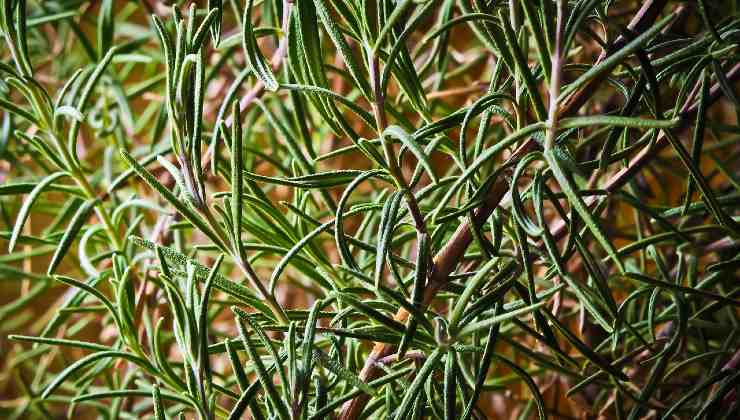
Rosemary does not demand excessive fertilization. Applying a slow-release fertilizer in early spring provides gentle nourishment during the growing season. By adhering to these guidelines, you can ensure your rosemary plant flourishes with health and vitality.