Preserving Parsley: A Culinary Secret for Prolonged Freshness
Discover the technique chefs employ to keep parsley fresh for more than thirty days.
Parsley: Its Culinary Versatility
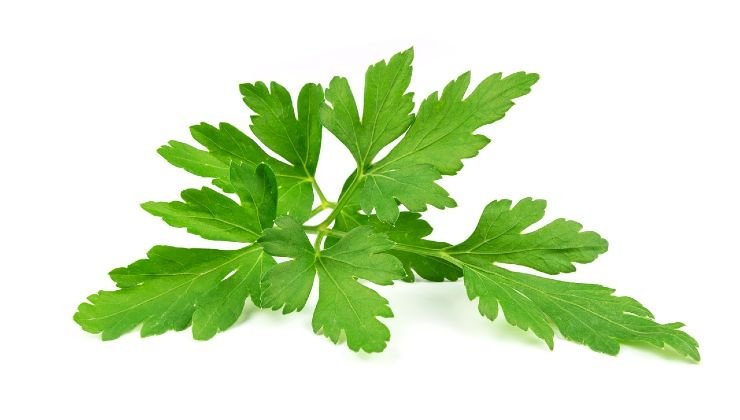
Widely utilized in cooking, parsley. is an aromatic herb renowned for its distinctive flavor and diverse beneficial properties. It enhances the freshness and fragrance of dishes, finding application in various culinary traditions around the world.
Primarily used for flavoring recipes such as soups, sauces, salads, and meat seasoning, parsley imparts a fresh, herbaceous taste that elevates the overall culinary experience. Additionally, its leaves serve as a decorative garnish, providing color and elegance to presentations. Packed with essential vitamins and minerals, parsley boasts nutritional value, offering vitamin K, vitamin C, vitamin A, iron, folate, antioxidants, and diuretic properties.
Beyond its nutritional profile, parsley’s plant compounds may exert anti-inflammatory and antioxidant effects. Some studies even suggest potential benefits for digestion, heart health, and weight loss.
Given its versatility and health benefits, having a consistent supply of fresh parsley in our kitchens is essential. The secret to achieving this lies in the practices of seasoned chefs.
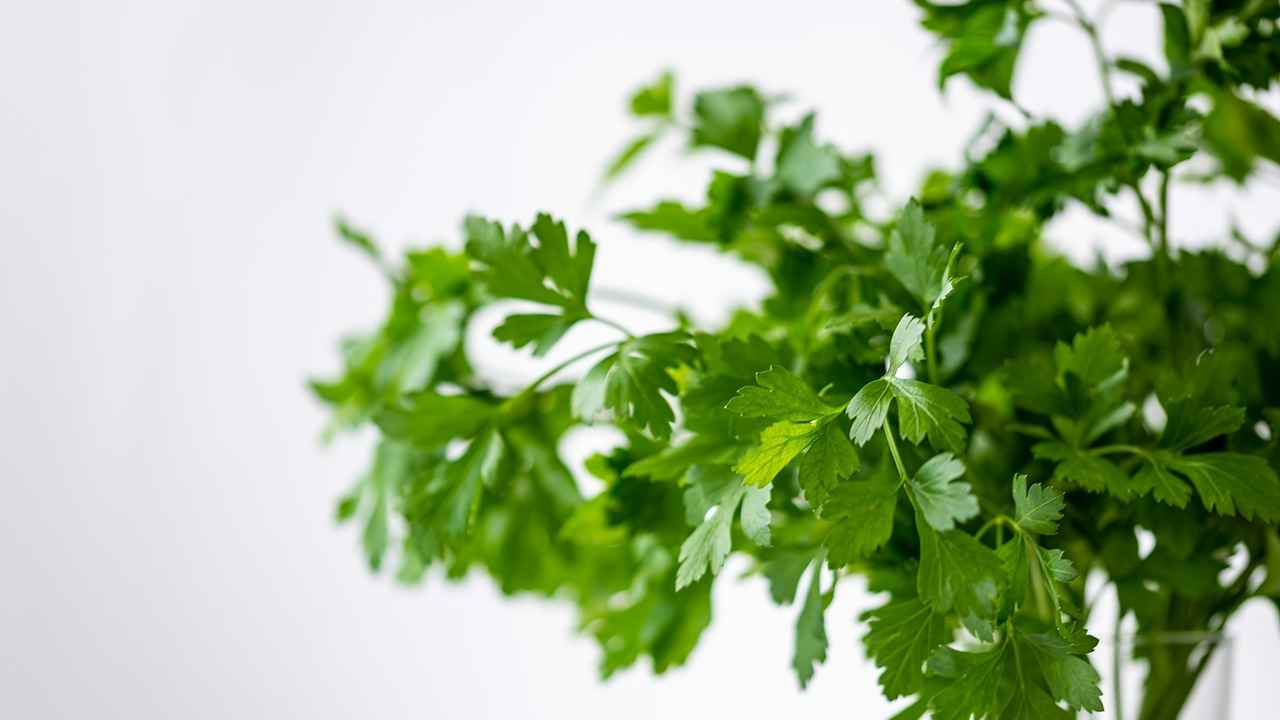
Proper Parsley Storage
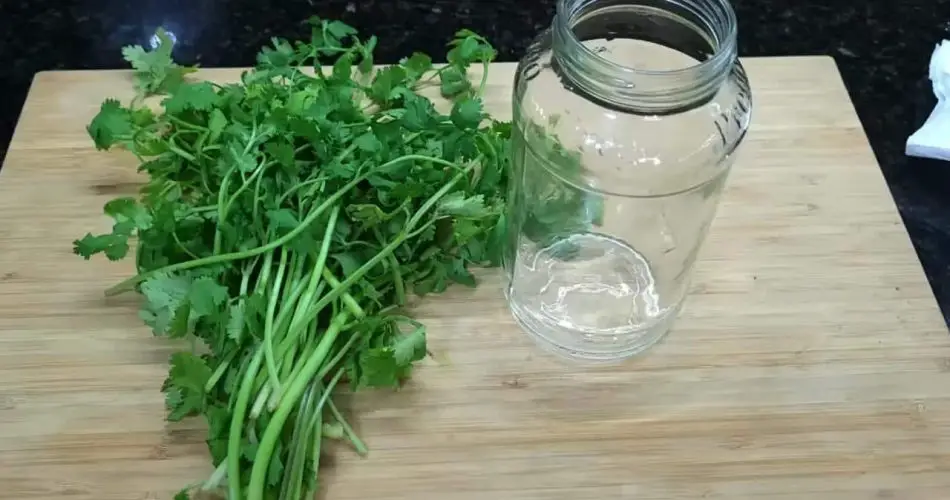
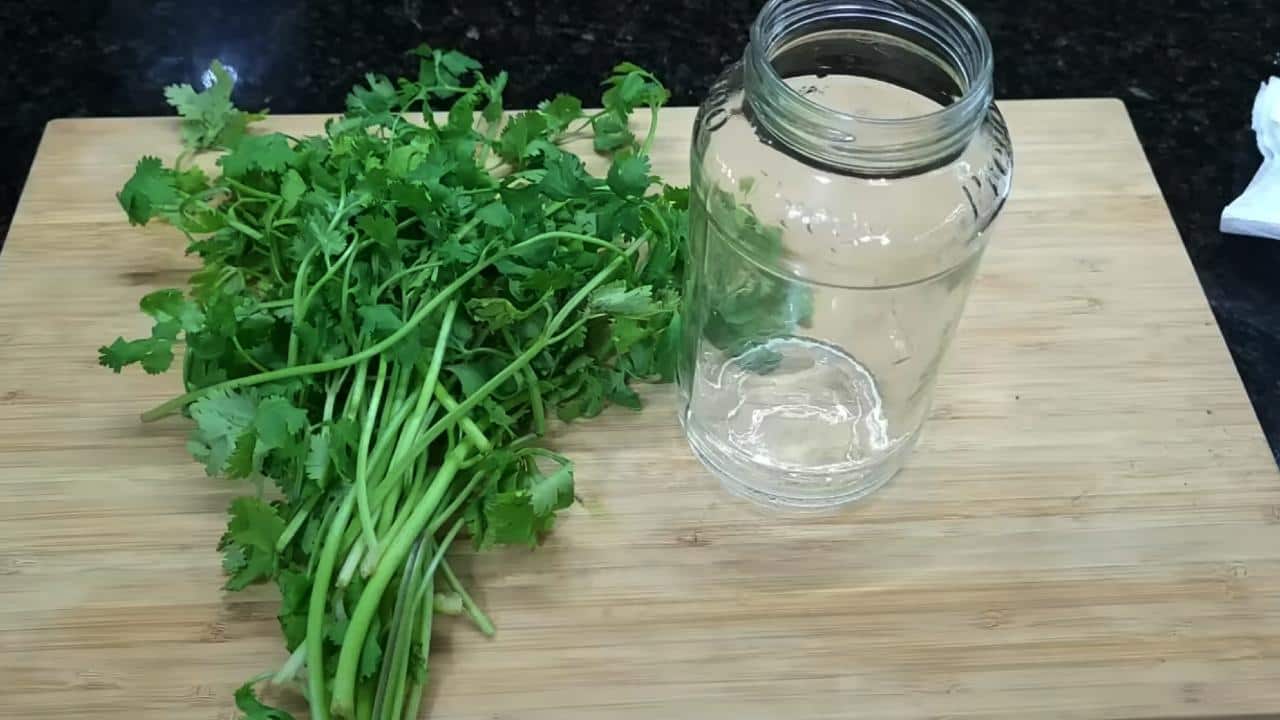
To preserve parsley effectively, start by washing it thoroughly with water, discarding any dry or damaged leaves and branches. After washing, allow the parsley to dry on absorbent paper sheets.
Prepare a glass jar, filling it halfway with water for optimal preservation. Submerge the parsley stems in the jar, treating them akin to cut flowers. Cover the tops with a food-grade plastic bag (typically used for freezing), securing it with an elastic band around the top side of the jar.