Is your garden infested with aphids? Don’t fret! Experts in the nursery industry suggest using this as the ultimate insecticide solution.
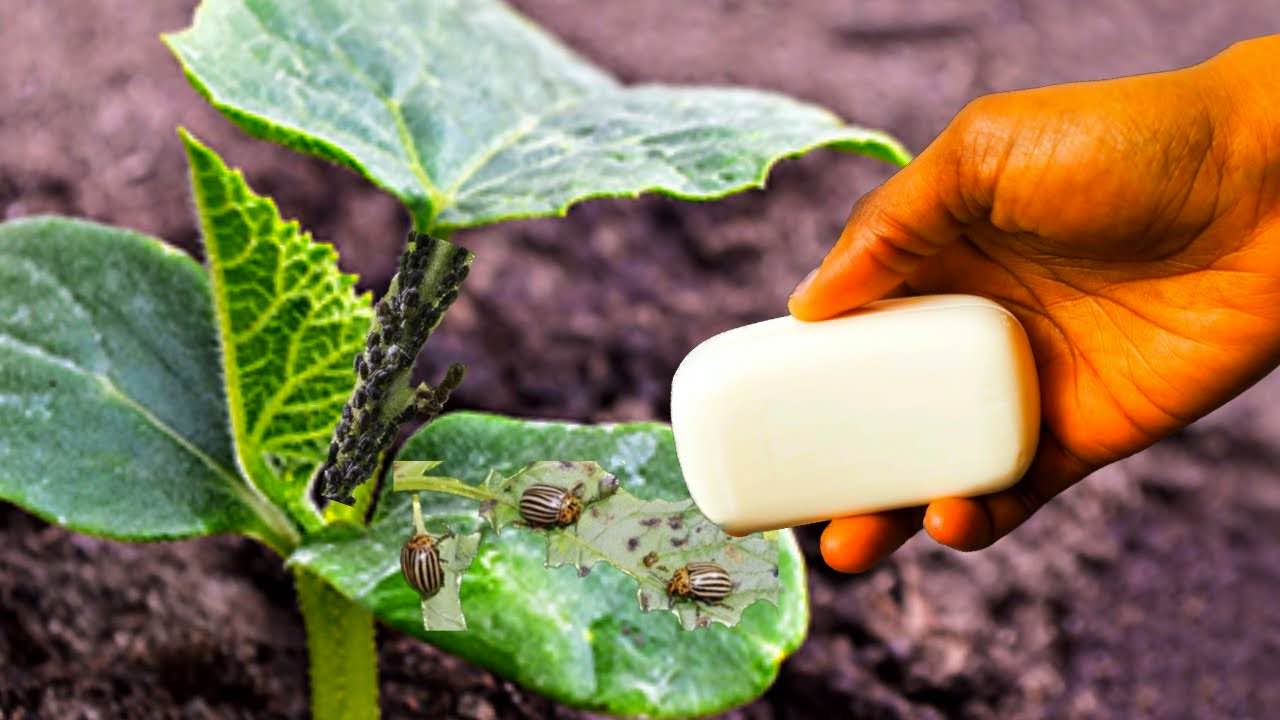
Are aphids attacking your plants, leaving you with only chemical-rich options for rescue? Fear not! Nursery experts in the industry have decided to share a little-known secret—an ingredient commonly found at home that doubles as an effective insecticide against these pests. In just a week, your plants will rejuvenate, and the pests will be eradicated for good. Curious about the preparation and the key ingredient? Let’s uncover this solution together.
Why are Plant Aphids Considered Dangerous?
Aphids, also known as plant lice, are parasitic insects that subsist on plant sap. They pose a considerable threat for various reasons and require immediate eradication. Using a pointed mouth tube, aphids extract plant sap, resulting in weakened plants. This often leads to stunted growth, distorted leaves, dehydration, and in severe cases, the demise of vulnerable plants.
Moreover, aphids can serve as vectors for transmitting viruses and plant diseases. When they feed on an infected plant, they can acquire pathogens and subsequently transfer them to other healthy plants while moving around.
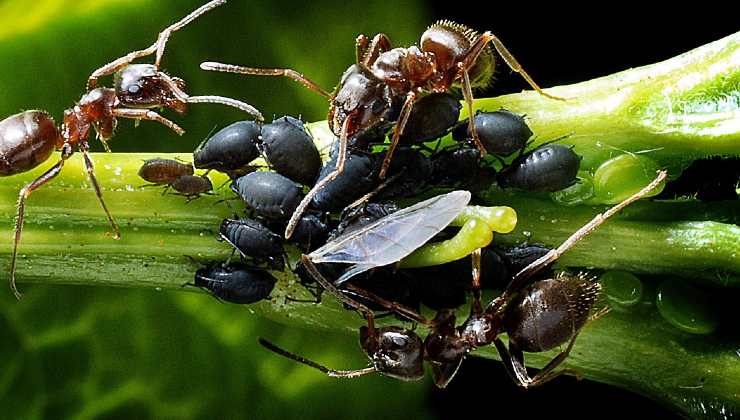
These pests produce a sweet, sugary substance known as honeydew while consuming sap. Honeydew, in turn, fosters the growth of dark molds called fumaggini on plant surfaces. These molds can impair the plants’ chlorophyll production, crucial for photosynthesis.
Moreover, when they infest agricultural crops like vegetables and fruit-bearing plants, they can significantly diminish both the quality and yield of the harvest. This reduction in crop productivity can have adverse effects on agricultural economies and the availability of food.
The optimal solution against aphids
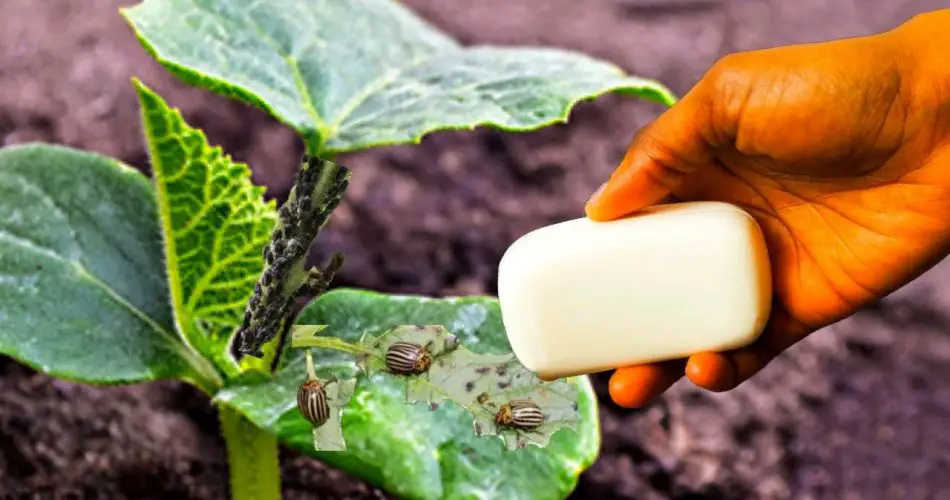
Nursery experts have shared a valuable tip for creating an effective insecticide using a specific key ingredient. Typically, dedicated products or solutions containing specific and potentially hazardous chemicals are used. However, the key component for this insecticide is plain soap.
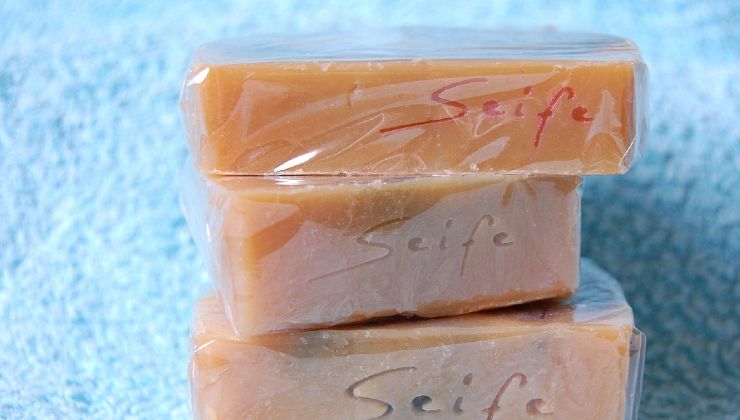
According to experts, this common household item used for personal hygiene can effectively combat plant aphids. To craft this insecticide, purchasing unscented liquid soap without parabens is essential, ensuring a natural product that aligns with the plants’ well-being.
The recipe involves dissolving two or three tablespoons of this soap in a liter of water. Thoroughly mix the solution and transfer it to a spray bottle. Apply this by spraying it onto the affected plant parts early in the morning, before the sun begins to heat the area. The treatment typically lasts around a week. It’s advisable to consult a nursery expert to assess the plant’s condition and prescribe the appropriate treatment.