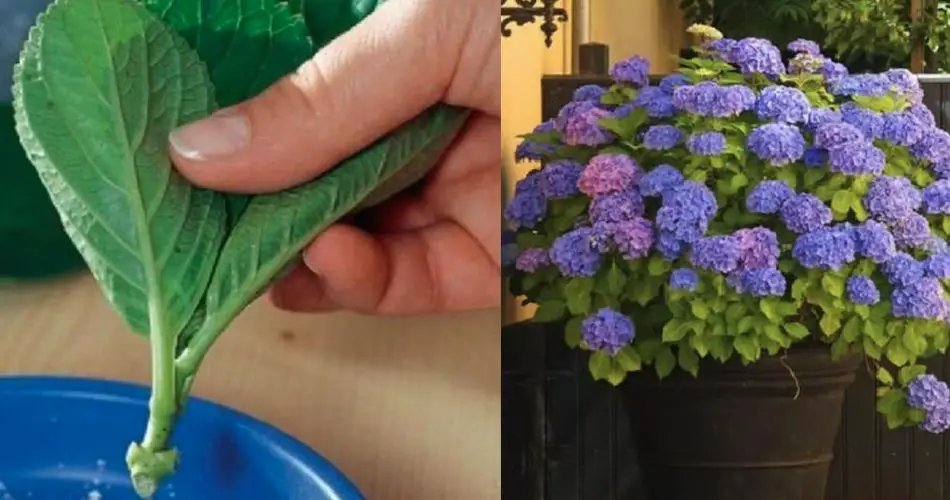
Hydrangea, with its enchanting blossoms ranging from lilac to blue, is not only a delightful addition to gardens but can thrive beautifully even in pots. Surprisingly, the hues of its blooms can be influenced by the acidity of the soil. Thriving in shaded areas and rich soil, hydrangeas are relatively low-maintenance plants that withstand winter well and burst into a riot of colors in spring.
Belonging to the category of sciaphilous plants, hydrangeas prefer avoiding direct exposure to the sun. Therefore, even if your balcony faces south or east, these shade-loving plants, including hydrangeas, camellias, astrantias, bellflowers, viburnums, and many ferns, can still provide splendid blooms.
How to grow hydrangeas
Hydrangeas can be cultivated from seeds, cuttings, or by planting nursery-acquired specimens. Harvesting seeds from faded flowers and allowing them to dry before planting is a viable option.
When to grow:
- Best times for planting are autumn (October and November) and spring (March and April).
- For cuttings, autumn is the prime season, ideally in October.
Soil and watering
- Opt for acidophilic soil and ensure consistent moisture.
- While hydrangeas require ample watering, it’s crucial to avoid stagnant water and potential limestone issues.
- Water directly on the roots, especially during blooming, but be cautious about waterlogged soil.
Temperature and exposure
- Hydrangeas dislike direct sunlight and thrive in partial shade with a cool and humid climate.
- Protect them during winters by applying mulch to the ground.
Growing Hydrangeas in Pots
For potted hydrangeas, choose a sufficiently large pot with drainage holes. A diameter of 30-40cm is recommended for accommodating a single hydrangea plant. Some varieties, like Azores hydrangeas and paniculate hydrangeas, are well-suited for container gardening.
Caring for Hydrangeas
Hydrangea care varies based on the specific variety and environmental conditions. Pay attention to individual needs:
Watering:
- Keep the soil consistently moist without allowing it to become soggy.
- Drip or foot irrigation is preferable to avoid wetting leaves and flowers, reducing the risk of fungal diseases.
Pruning:
- Pruning requirements vary among hydrangea types.
- Azores Hydrangeas bloom on previous year’s branches, requiring pruning after flowering.
- Paniculate hydrangeas flower on new branches and can be pruned in winter or spring.
- General pruning is recommended twice a year, starting in February and again at the end of September.

Fertilization:
- Apply fertilizer for acidophilic plants or a potassium-rich fertilizer in spring and summer to support flowering.
Flowering:
- Hydrangeas bloom in spring or summer, and the colors range from white, pink, and blue to purple, red, green, or multi-colored.
- Some varieties can produce flowers even in winter in temperate climates.
Winter Care, Diseases, and Pests
Winter Care:
- Protect hydrangeas from sudden temperature changes by insulating roots with mulch or straw.
- Covering them with a protective fabric or fleece helps safeguard against frost.
Diseases and Pests:
- Watering with limestone-rich water may cause leaves to yellow; switch to rainwater.
- Fungal diseases may result from water imbalances; adjust watering accordingly.
- Beware of cochineal and red spiders causing yellowing and leaf loss.
By following these guidelines, you can enjoy the vibrant beauty of hydrangeas and ensure their well-being throughout the seasons.