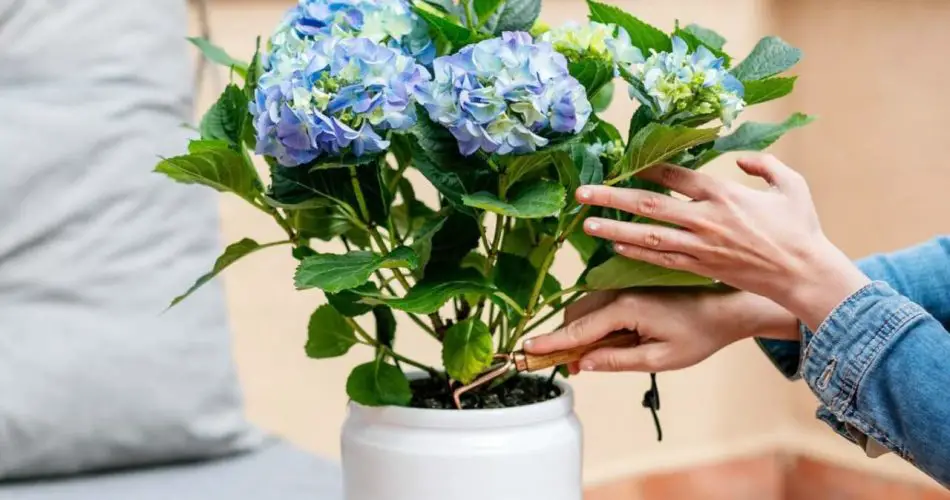
Are you eager to learn a simple method to multiply hydrangeas? Let’s explore the twig technique.
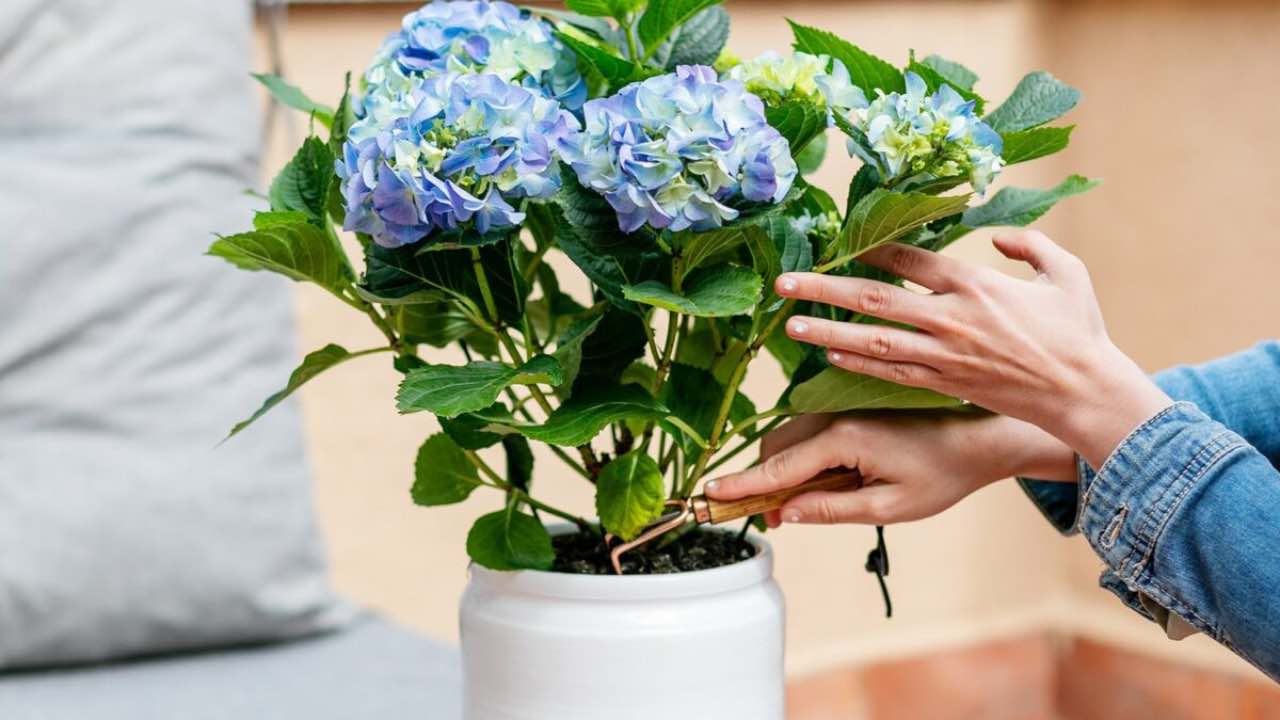
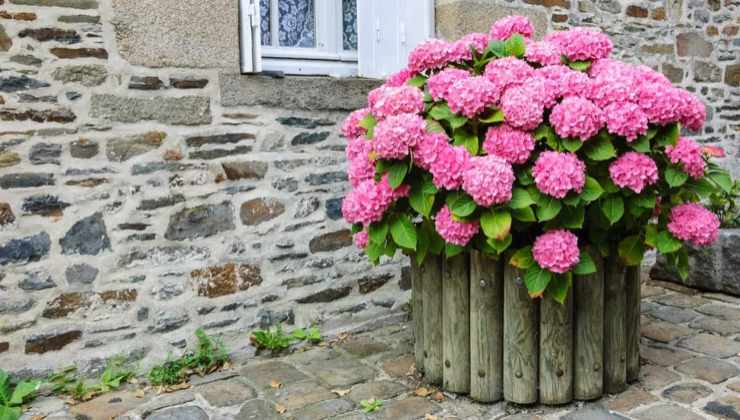
Hydrangeas rank among the most popular plants for gardens or terraces, adding vibrancy and grace with their captivating colors. These exquisite flowers have the power to adorn and enhance the surroundings of your home.
The distinctive shapes and vivid hues of hydrangeas appeal to all, creating a lush and intense ambiance on your garden or balcony. Beyond their aesthetic charm, hydrangeas hold specific meanings in the language of flowers, symbolizing love and deep friendship. Giving hydrangeas signifies a profound affection shared between individuals, expressing both unique love and rare friendship.
In this article, we will delve into a technique to multiply your hydrangeas swiftly, safely, and effectively, allowing your garden to flourish with these beautiful blooms.
Multiplying Hydrangeas: The Twig Technique
The vibrant colors of hydrangeas are their defining feature, offering a spectrum ranging from purples, fuchsias, and reds to indigos, lilacs, and blues. To ensure a bountiful presence of hydrangeas and abundant flowering, proper measures must be taken.
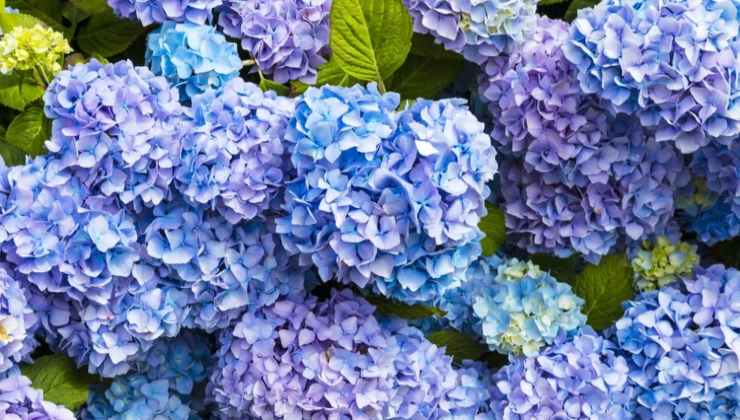
Ideal Soil and Environment: Begin by selecting an ideal soil composition for hydrangeas. A mix of peat, perlite, and sand in the pot is recommended. The soil should be fresh, acidic, and hydrangeas thrive in a fairly humid environment with cool temperatures. Opt for a location with minimal sun exposure or in the shade, and during watering, use demineralized or low-calcium content water.
The Twig Technique: A Natural Multiplication
The twig technique involves creating a fertile soil mixture for hydrangeas. Combining peat with perlite and sand in the pot lays the groundwork for successful proliferation.
Follow these steps for the twig technique:
- Select a Cutting: Choose a part of the plant with one or more buds, creating a cutting at least 10 centimeters long with a knot at the base. The cutting should have minimal large leaves, with small ones preferably at the top and in small quantities.
- Moisten the Soil: Water the substrate to achieve adequate moisture in the soil.
- Insert the Cutting: Insert the stem into the soil to a depth of at least 3 centimeters. Apply a rooting gel agent at the base of the cuttings.
- Wait and Watch: After a few weeks, witness the remarkable multiplication of flowers on your hydrangeas. This natural and cost-free method allows your hydrangeas to thrive through the propagation of cuttings from the shoots above.
By adopting the twig technique, you can enjoy the beauty of multiplied hydrangeas in your garden, achieved effortlessly through this simple yet effective method.