Pelargonium, also known as geranium, is a cherished ornamental plant admired for its vibrant hues and captivating fragrance, making it a favored choice for balconies and gardens. Originating from southern Africa, pelargonium has gained global popularity due to its adaptability to various climates. With lush foliage and a burst of colorful flowers, pelargonium adds a cheerful and elegant touch to any space, be it balconies, terraces, or gardens.
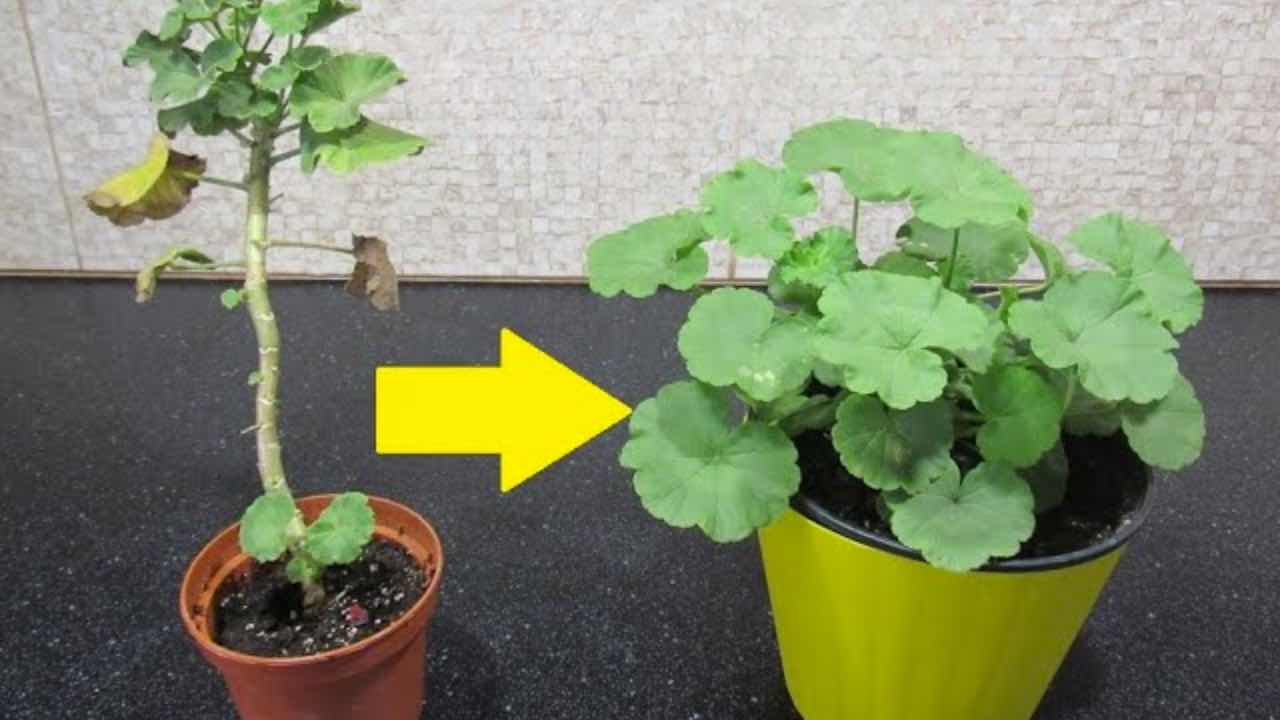
To ensure the optimal care and development of pelargonium, it is crucial to provide the right conditions. Placing the plant in a sunny location shielded from direct wind, regular watering without causing stagnation, and fertilization during the flowering season are essential practices. While pelargonium is known for its resilience and ease of care, specific guidelines can contribute to its longevity and robust growth.
Tips for Pelargonium Care:
Pelargonium, cherished for its beauty and resilience, is a beloved plant that, like all living organisms, demands attentive care to flourish. Below are some guidelines on effectively caring for a pelargonium.
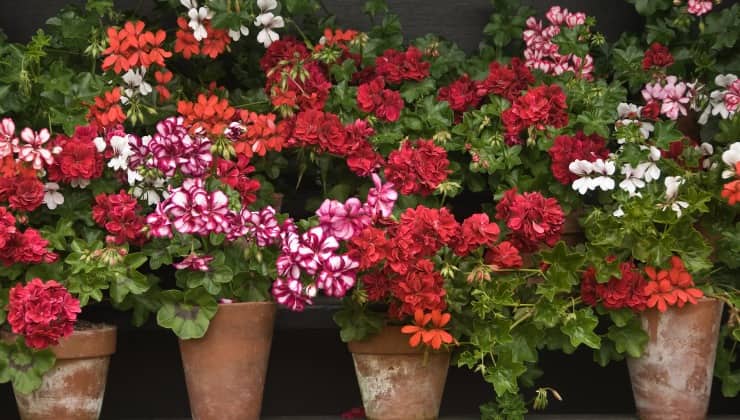
- Choosing the Right Soil:
- Opt for well-drained, nutrient-rich soils.
- Ensure good drainage in the pot or flower bed.
- Use potting soil designed for flowering plants.
- Proper Watering:
- Avoid overwatering; wait for the soil to slightly dry before watering again.
- Sunlight Exposure:
- Place pelargonium in a sunny location to promote thriving and abundant blooms.
- Regular Pruning:
- Remove faded flowers promptly.
- Prune dry or damaged parts to stimulate healthy growth.
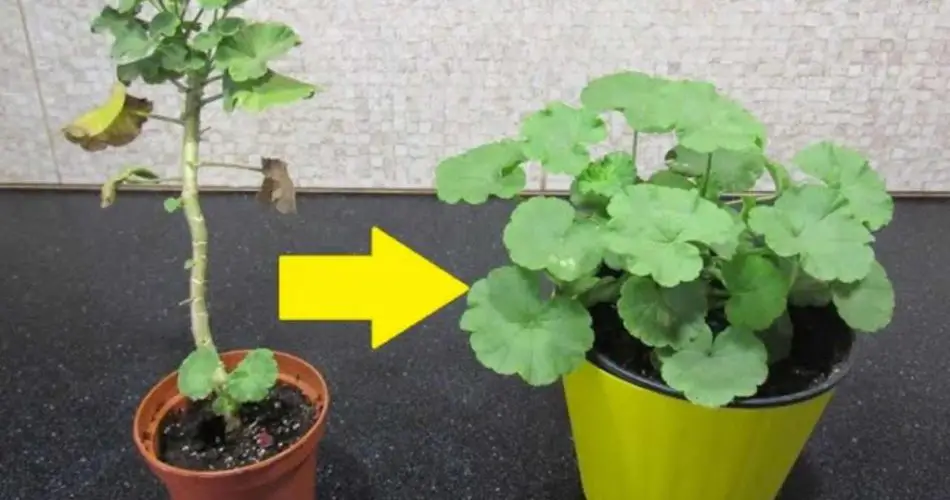
By following these care tips, you can maintain the health and vibrancy of your pelargonium in your balcony or garden. However, for those looking to multiply and transform their pelargonium into a bush, several techniques can be employed.
Main Techniques for Multiplying Pelargonium:
Cutting:
- Take a healthy stem cutting, ensuring it includes some leaves.
- Place the cutting in a pot with well-drained potting soil.
- Keep the soil slightly moist until roots appear.
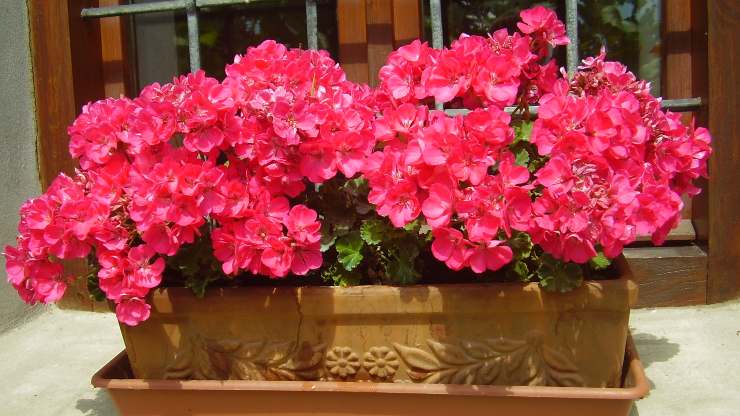
- Grafting:
- Combine the shoot of one plant with the trunk or base of another.
- Ensure a precise fit for proper adhesion.
- Grafting can result in stunning combinations, such as using branches of different-colored geraniums.
- Division:
- Divide tufts in the spring or early summer when plants are young.
- Gently separate tufts from the mother plant and plant them in another pot.
- Use compost suitable for pelargoniums and create a draining layer at the pot’s bottom.
Five-Minute Technique for Pelargonium Bush:
To quickly multiply and transform your pelargonium into a bush:
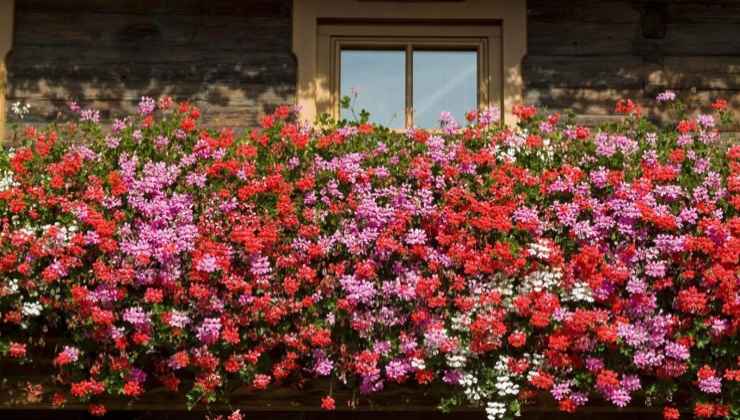
To quickly multiply and transform your pelargonium into a bush:
- Taleggio Technique:
- Take a healthy plant with well-developed branches.
- Cut off side twigs, ensuring each branch has 3-4 nodes.
- Remove leaves from the bottom half of the branch.
- Plant the sprig in moist soil, ensuring proper stability.
- Place the new seedling in full sunlight, avoiding intense rays during peak hours.
- Keep the plant hydrated by misting water on the upper part.
Mastering this simple technique can turn your pelargonium into a stunning bush, enhancing the beauty of your balcony or garden.