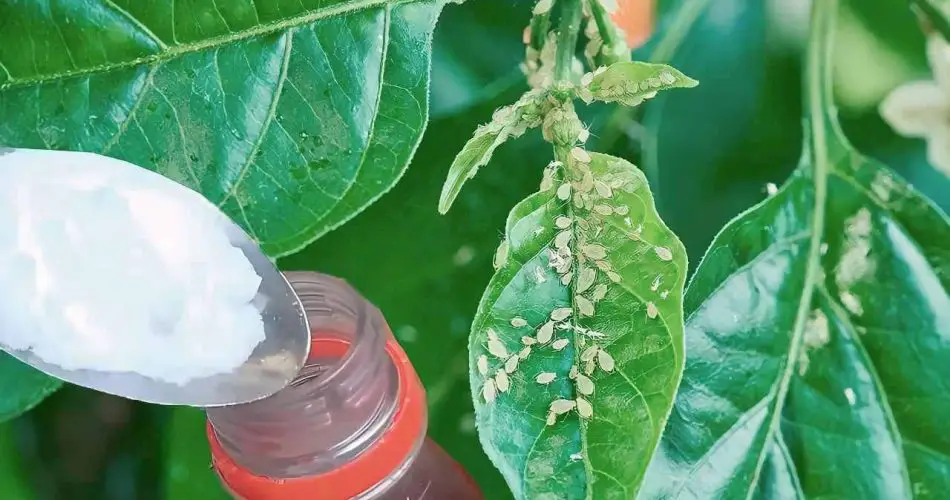
DIY Pest Control: Did you know that a simple mixture of two ingredients can effectively eliminate plant parasites? Your plants will be grateful!
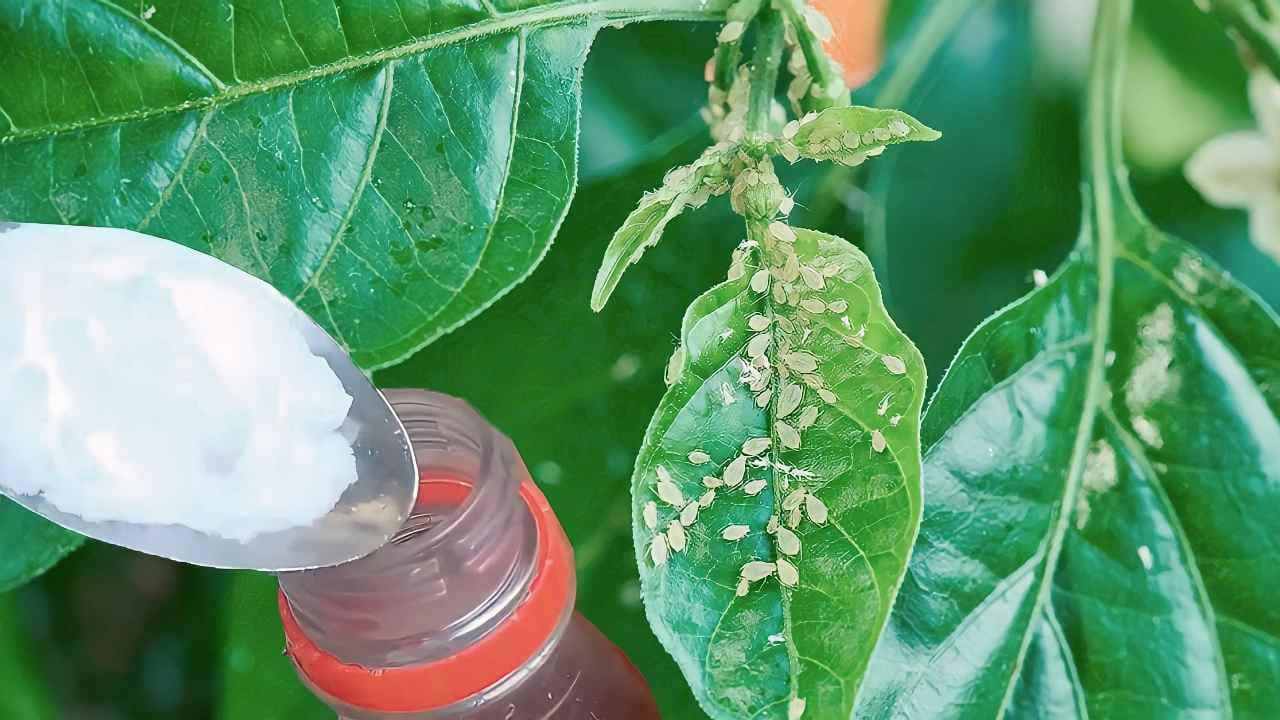
Pesticides and Plant Protection:
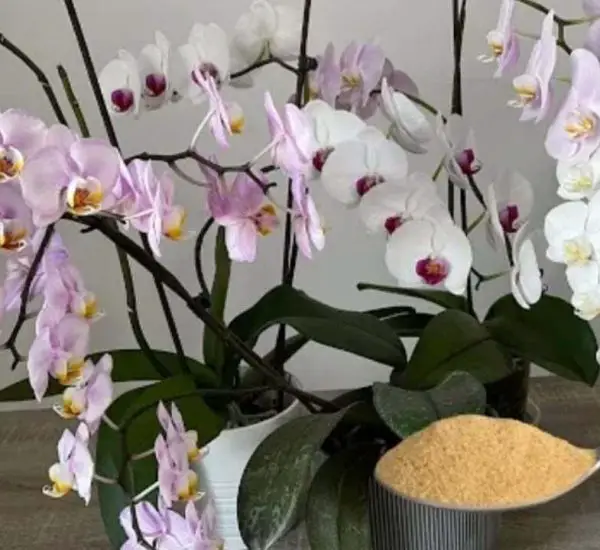
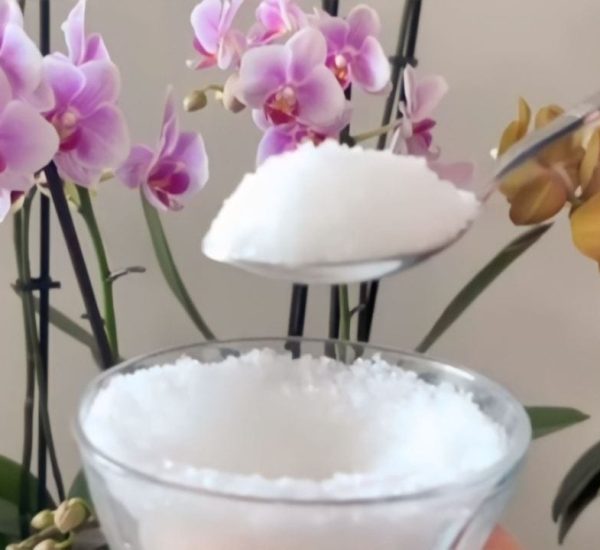
Owning indoor plants adds vibrancy, oxygen, and beauty to your home. However, the daily challenge for plant enthusiasts is protecting their green treasures from the constant threat of parasites that nibble on leaves, roots, and stems. While there are various protective techniques, the most efficient method often involves the use of pesticides.
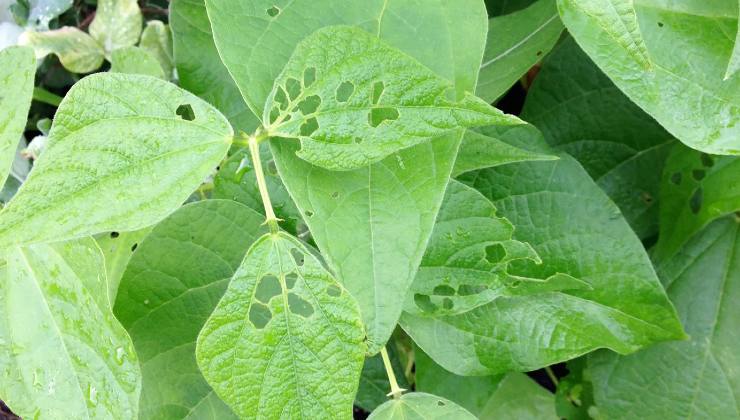
But what if you could create a natural pesticide at home, avoiding the potential drawbacks of chemical solutions? With just two readily available ingredients, you can ensure the health and well-being of your plants. Let’s explore this simple yet powerful solution to tackle your pest problem.
Natural Pesticide Recipe: The Magic Ingredients:
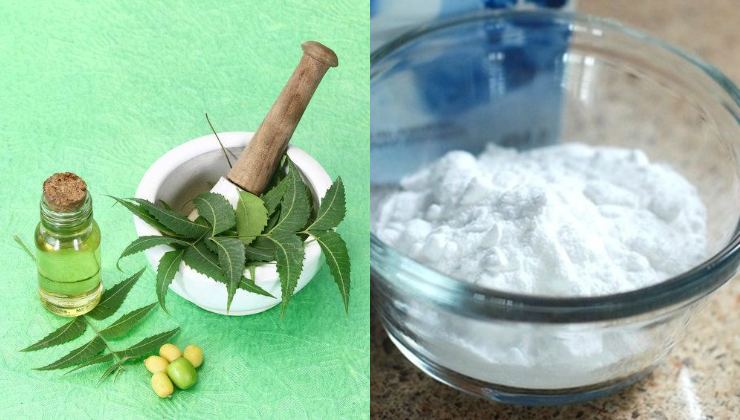
Common plant parasites include aphids, thrips, whiteflies, and cochineal, each causing distinct issues for your greenery. To protect your plants effectively, using natural pesticides is crucial. Fortunately, you can create your own pesticide at home using easily accessible ingredients: baking soda and Neem oil.
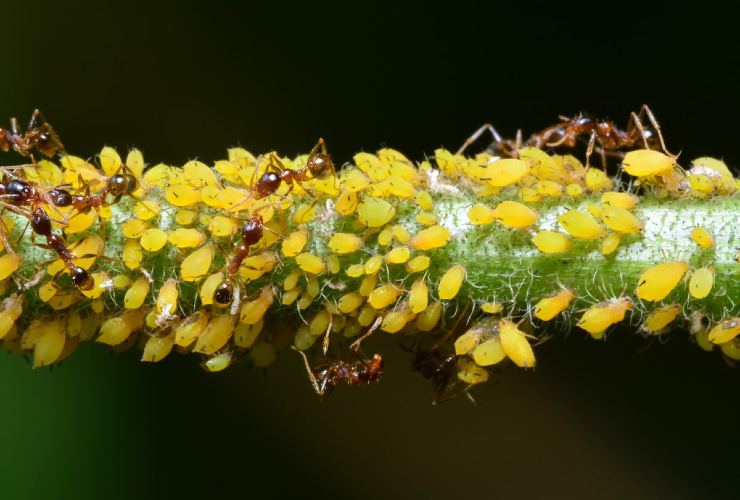
Here’s a quick recipe for a natural pesticide:
- Mix a tablespoon of Neem oil and a teaspoon of baking soda in a liter of water in a container.
- Transfer the mixture into a spray bottle.
- Apply the solution by spraying it on your plants.
This homemade pesticide, simple to make, will help keep parasites at bay, ensuring the well-being of your plants.
However, there’s an alternative method for combating parasites. In addition to the Neem oil and baking soda mixture, you can create another effective pesticide using liquid soap. Here’s how:
- Mix a teaspoon of Neem oil and a few drops of liquid soap in a liter of water in a container.
- Transfer the mixture into a spray bottle.
- Spray the solution on the stems, leaves, and soil of your plants.