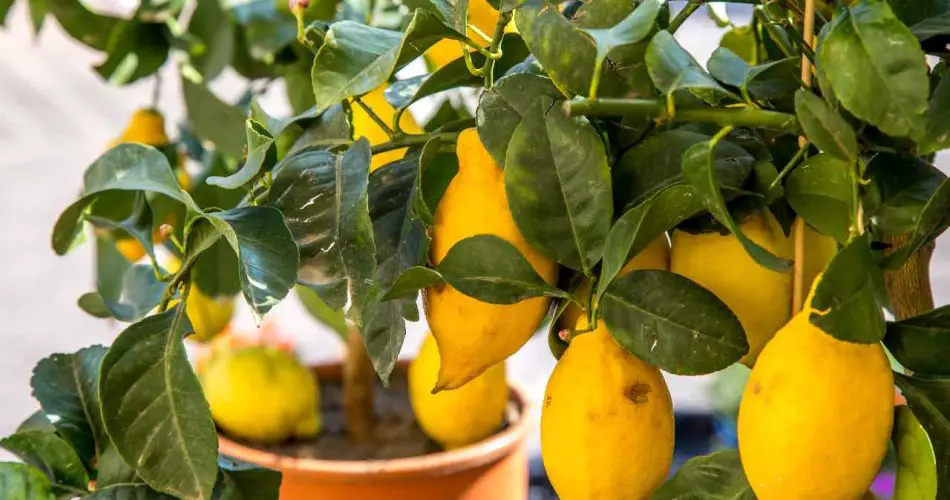
The iconic yellow lemons, symbolizing well-being and embodying the essence of Italian tradition, are not only versatile in culinary preparations but also boast a wealth of vitamins and mineral salts.
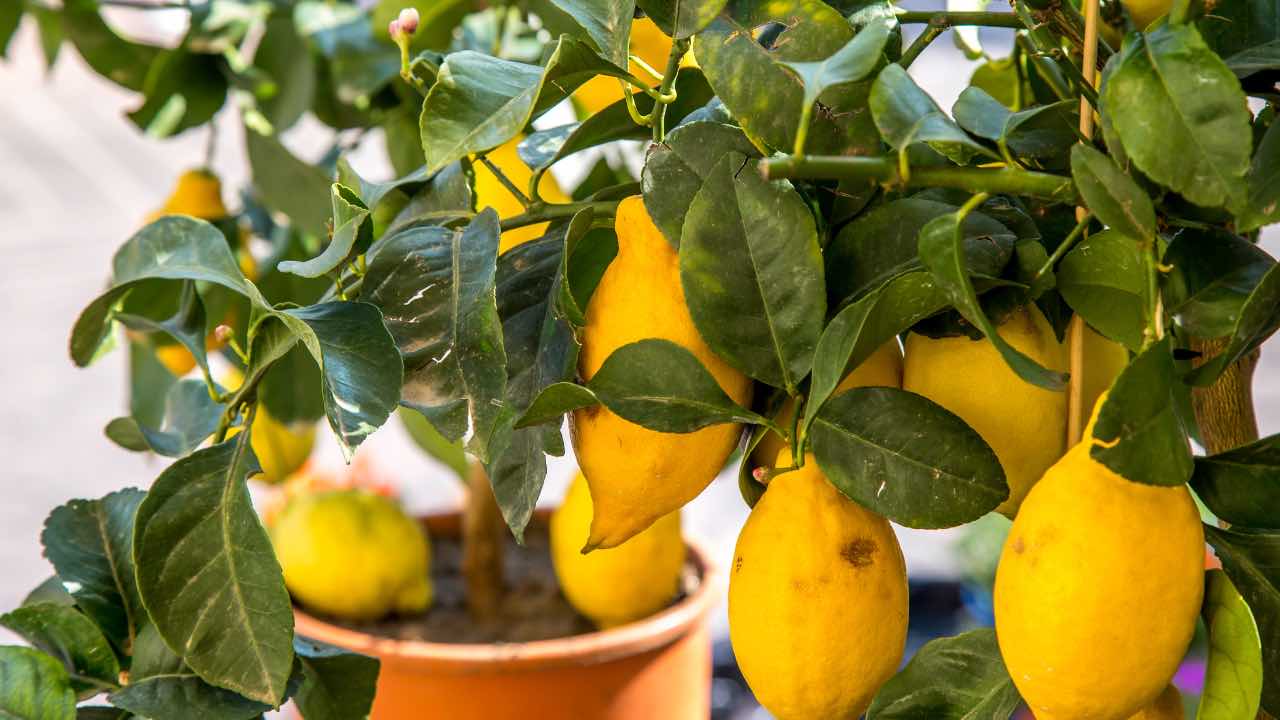
As these citrus fruits adorn gardens or terraces, a common query arises: can lemons be left attached to the plant? Let’s delve into what truly happens, as explained by experts.
Lemons undergo a gradual ripening process that extends over an extended period,
The question of whether to leave lemons attached to the plant is pondered by those tending to citrus trees in their garden or on the terrace. Expert nurserymen provide a definitive answer to address this curiosity.
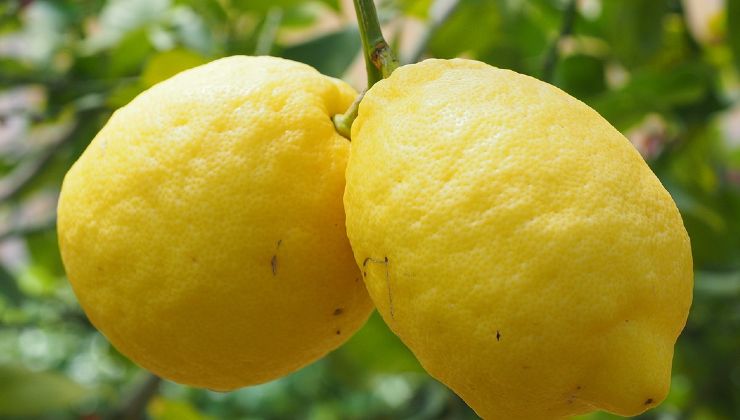
Lemons undergo a gradual ripening process that extends over an extended period, potentially reaching up to nine months. During this time, the citrus fruit absorbs water and essential nutrients, nurturing it into a juicy and flavorful delight. The sun’s rays contribute to enhancing their vibrant yellow color. The plant adeptly preserves the fruits until the optimal harvesting time without impeding new flowering and subsequent production.
When are lemons harvested?
Harvesting lemons is a strategic step in preventing the degradation process. Ripe lemons must be promptly gathered to avoid falling from the plant or becoming inedible. At this stage, the peel thickens, and the pulp dehydrates, a natural course as the plant redirects the water for its sustenance.
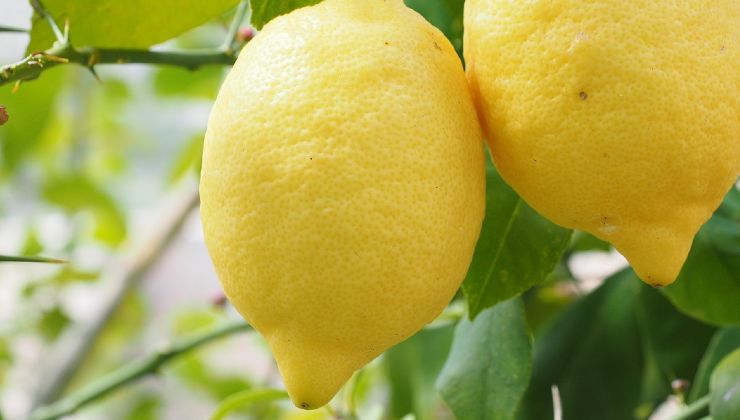
For those tending to a lemon tree, year-round care is essential to ensure a bountiful harvest during the specified periods. The maturation levels may vary throughout the year, with the initial harvest occurring in April and May, often yielding abundant and high-quality lemons with a textured skin. A second harvest in July presents lemons with a smooth, round skin, leading to the final harvest in August or September, featuring smaller, seedless fruits.