With this straightforward method, there’s no need to wait for months to witness the emergence of a cherry plant. Here’s the secret.
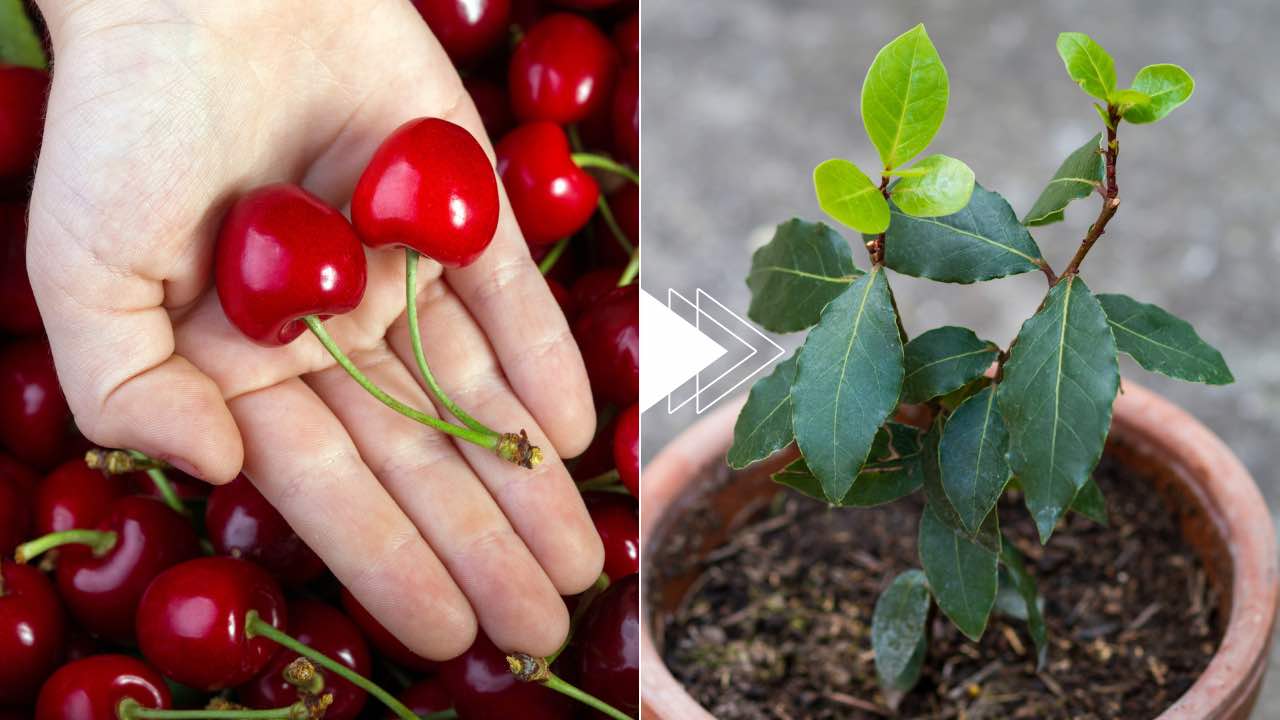
As May brings back beautiful days and rising temperatures, the desire for outdoor activities and enjoying nature’s bounty, such as cherries, becomes prevalent. Cherries not only delight the taste buds but also offer essential nutrients like potassium, phosphorus, vitamin A, and vitamin C.
However, a cost-effective and efficient technique involves utilizing the stone found inside the cherry.
For those aspiring to have a cherry plant in their garden, initiating the growth process might seem challenging, especially for beginners.
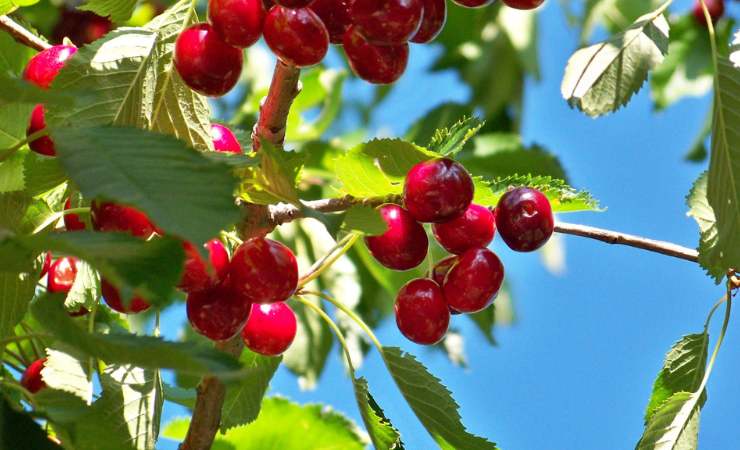
To begin, procure some cherries, preferably very ripe ones to ensure viable seeds. Recognizing a ripe cherry is easy—look for an intense red color. After enjoying the fruit, extract and clean the stone, ensuring no pulp residue remains. The more stones obtained, the higher the chances of successful seedlings.
The next step involves planting the cherry stone. However, the natural germination process can take several months. To expedite this, a simple method involves creating a small crack or removing the hard outer part around the embryo. A nutcracker can be used to break the nut and facilitate the process.
If only the embryo is used, a seedling may emerge within a month or, at most, forty days. However, using the intact seed could prolong the process to five or six months. Once decided, proceed with sowing. Create a small hole in the center of a soil-filled pot, approximately one centimeter deep. Insert the kernel or embryo into the hole, cover it, and mist the soil with water. Keep the soil consistently moist until the first shoot appears.
After a span of 40 days, the plant will initiate its growth.
After about 40 days, the emergence of roots and seedlings will be noticeable. Within a week of seed germination, the first leaves will start appearing. By the fifteenth day, the plant will be around ten centimeters tall and will continue to develop foliage over the months. In the first year, growth primarily occurs in the root system.
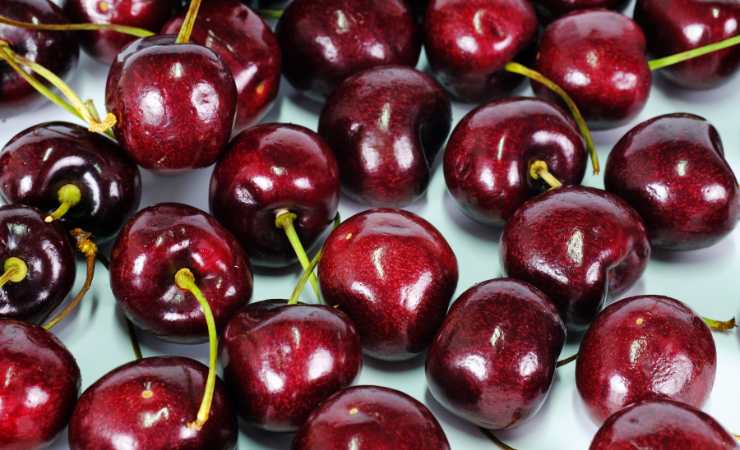
Once the plant reaches a height of about one and a half meters, with a central trunk diameter of 2 centimeters, it becomes suitable for grafting. This process aims to enhance the production of large and flavorful fruits.