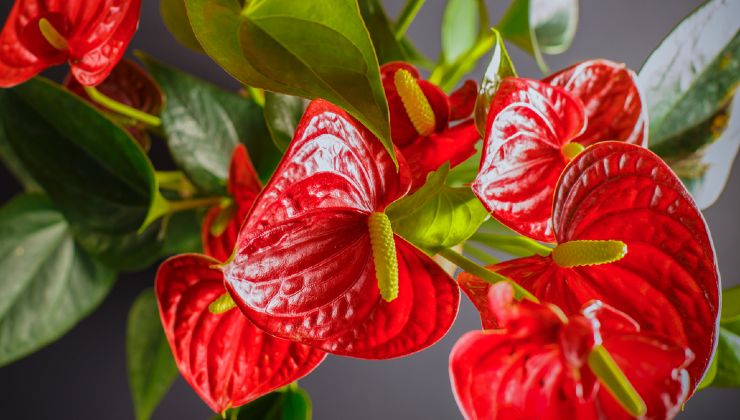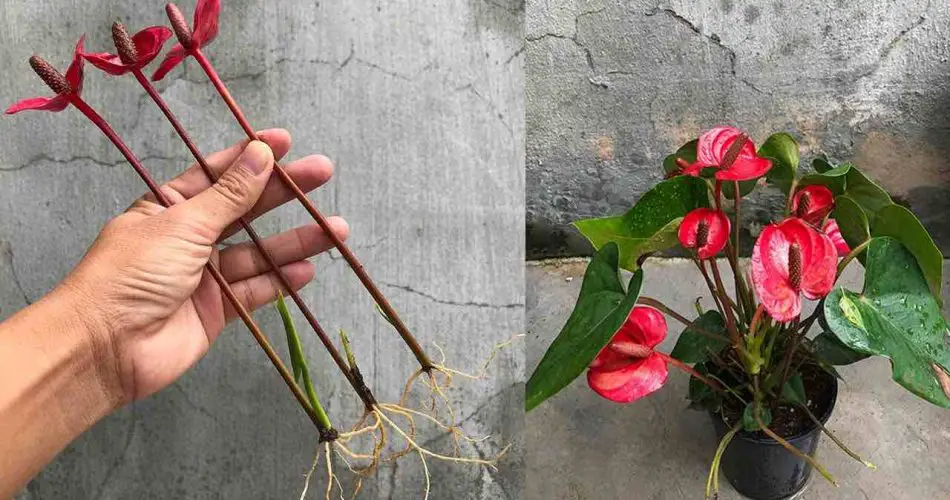
The exquisite Anthurium and a swift method for its multiplication – how? Harness the power of flower branches, as recommended by experts.
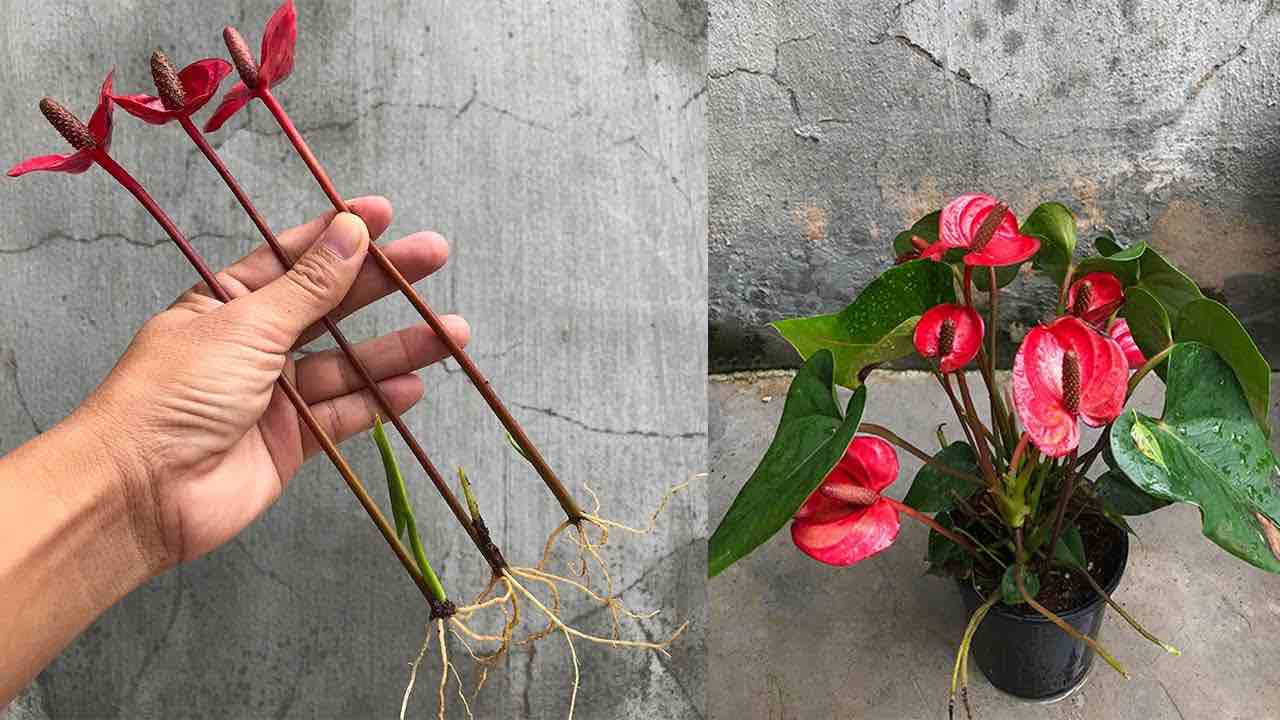
Keeping a beautiful plant thriving is a desire we all share, especially when it comes to the coveted Anthurium. Nursery experts have graciously shared their insights on multiplying this plant indefinitely, turning what may seem like a delicate operation into a straightforward process. Let’s explore the expert advice on multiplying Anthurium effortlessly.
Anthurium multiplication: Tips and method
Anthurium reproduction typically involves pollination of flowers, dividing tufts, or the production of cuttings. This reproductive technique is something you can undertake at home with a bit of a green thumb to achieve the desired results. The real secret lies in learning from the experts and diligently following their step-by-step guidance to have an endless supply of this magnificent plant.
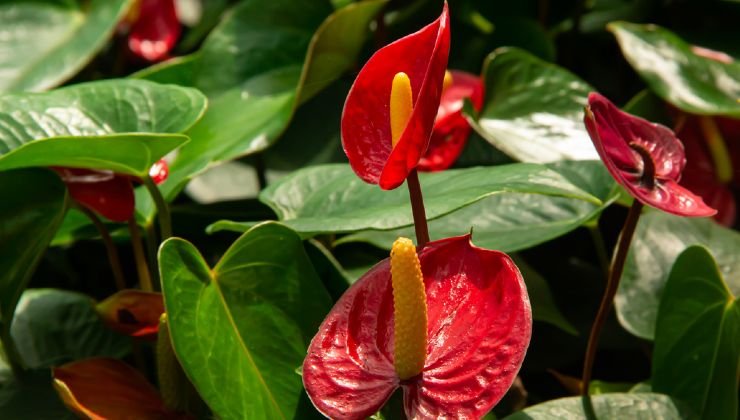
The key to this method is cutting the stem into multiple sections, ensuring each part can generate new shoots from the nodes. The crucial aspect is that all the small portions should not only grow but also grow vertically – and this is the real secret.
The optimal time to carry out this operation is undoubtedly during spring or summer when vegetation growth is active, and the favorable weather conditions facilitate the quick development of new tufts. While experts recommend this timeframe, you can undertake the process at other times of the year as well, with consideration for the slowed growth during the cold season.
Here is the step-by-step procedure:
- Carefully divide the lateral shoots with a sterilized cutter, ensuring all roots remain attached.
- Perform this operation on damp soil, not dry; therefore, it’s advisable to water the plant half an hour before.
- Immediately pot the general or mother plant into a large pot with fresh soil.
- Place all new plants in small pots, using soil similar to the previous one for the adaptation phase.
- Water and allow excess water to drain.