Achieving perennially beautiful and lush tulips is a trade secret among florists, whether they adorn pots or thrive in the ground.
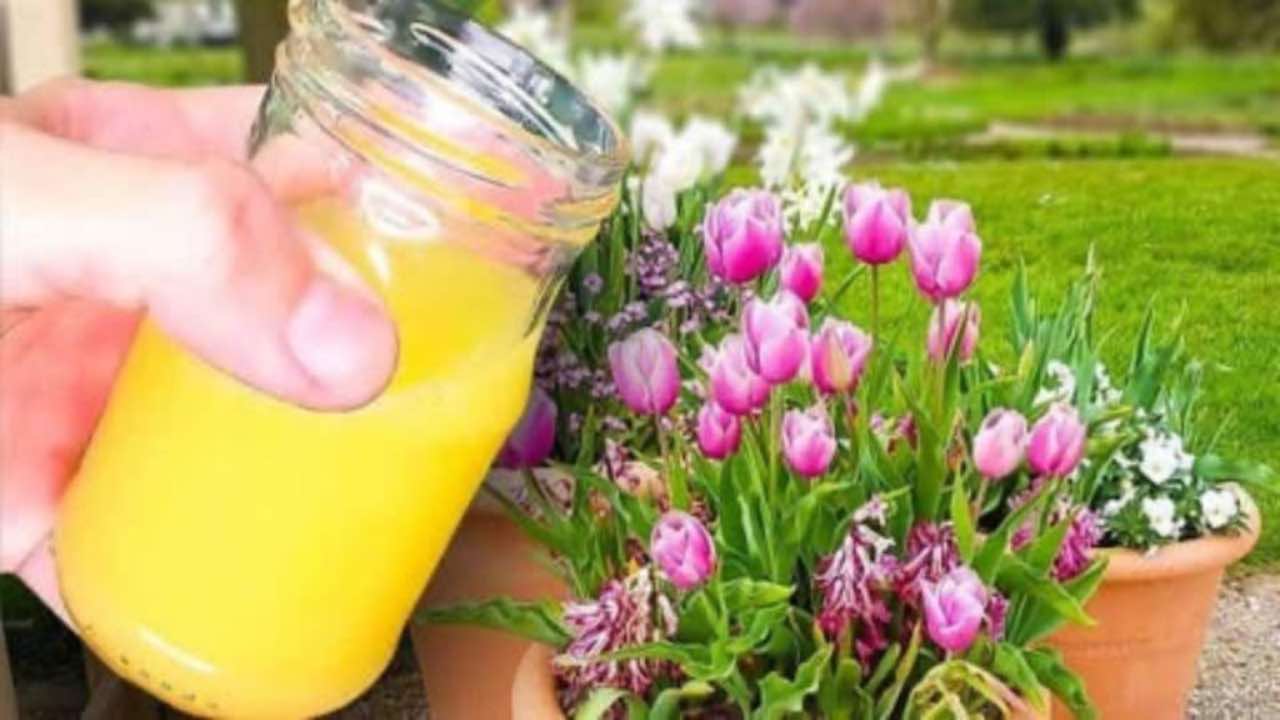
Tulips, prized for their colors and distinctive shapes, are quintessential spring flowers requiring specific care to flourish, both in water and in soil. To maintain their beauty, it’s essential to understand some key aspects of tulip care.
Tulips insights:
Tulips typically bloom with the onset of spring, originating from bulbous plants that take at least four weeks to grow into a flowering bulb. Despite their seasonality, tulips thrive in cool conditions and do not favor direct sunlight or excessive heat. An interesting fact is that once tulips have faded, their bulbs can be harvested, dried, stored, and replanted the following year. Their flowering period surpasses many other spring flowers.
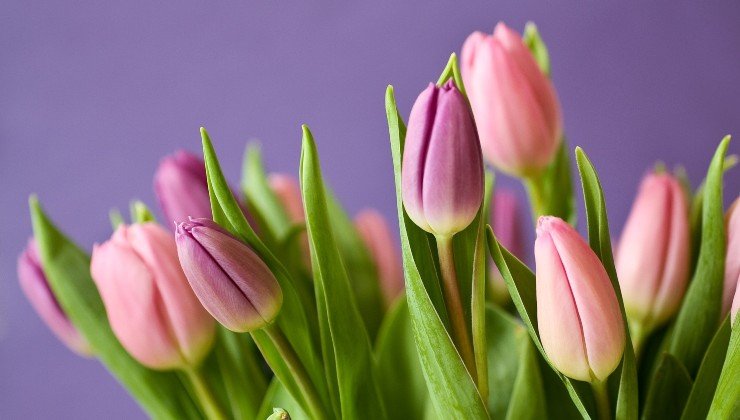
Florist trick for beautiful tulips:
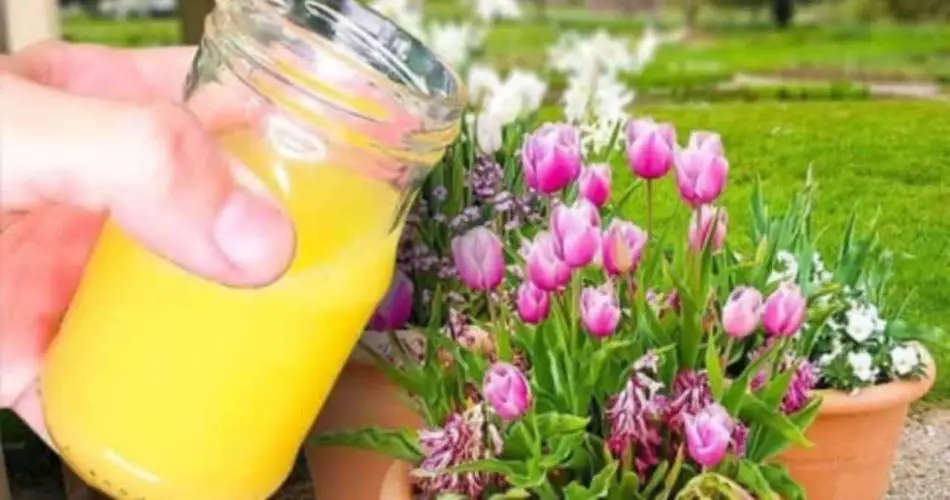
To enhance the longevity of potted tulips, besides the customary care of cutting the stem diagonally and removing leaves in contact with water, there’s a lesser-known florist’s trick.
When arranging potted tulips, it’s advisable to always use cold water, as hot water might foster bacteria growth. Additionally, adding a few drops of lemon juice to the vase water for cut flowers can slow down the decay process.
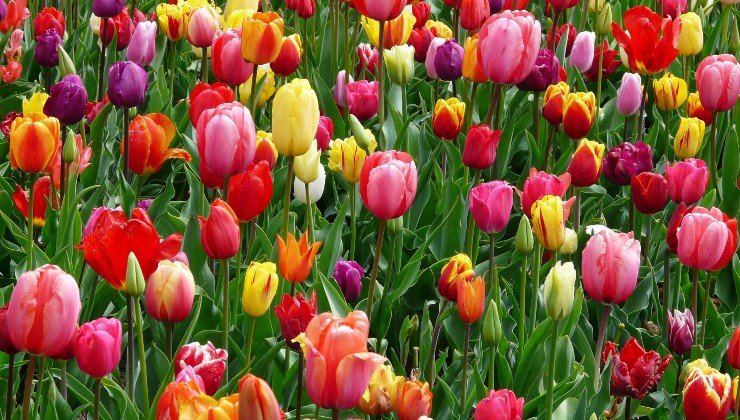
Tulips in the Ground:
For tulips planted in the ground, proper hydration is crucial. Dehydration, followed by excessive light exposure, is the primary cause of tulip deterioration in soil. To counter this, keep the soil consistently moist by watering weekly. However, beware of overwatering, as it may lead to plant rot.
Knowing when to cut the flowers is equally vital for maintaining a thriving plant. To extend their lifespan, tulip flowers should be cut when they are approximately 75% in full color. This allows for continued growth when placed in a vase, ensuring the plant expends less energy on flowering. Optimal cutting times are early in the morning or late in the evening, during cooler temperatures, to minimize stress on the plant. Applying these insights will undoubtedly contribute to keeping your tulips perennially vibrant and thriving.