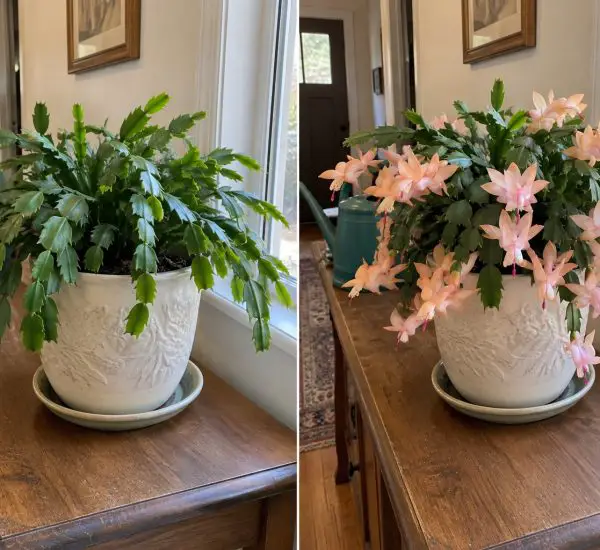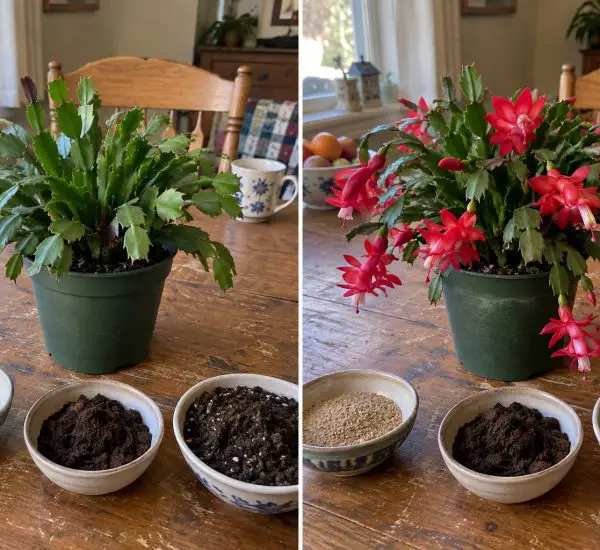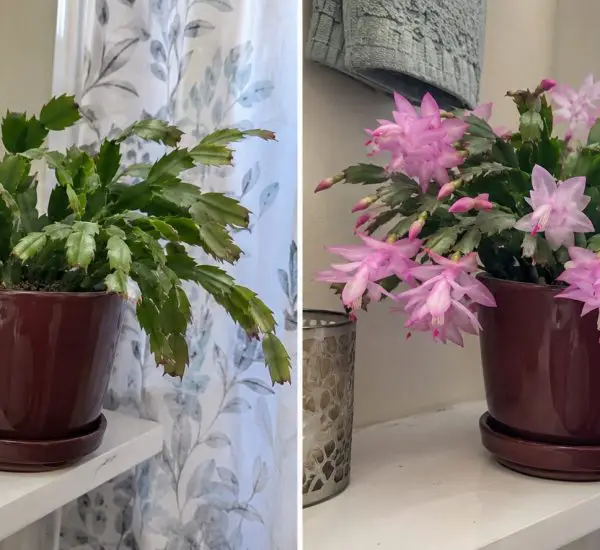
A Christmas cactus brings winter flowers and a splash of color into almost any room. Sometimes known as Easter cactus, this houseplant is identified here as Schlumbergera bridgessii. Its lovely blossoms make it a familiar favorite for adding life and brightness to everyday indoor surroundings.
Along with being straightforward to care for, the plant is simple to propagate. A handful of easy tricks can keep it flowering continuously. You can begin with a stem segment, then follow the care routine below to encourage healthy growth and plenty of flowers in your home.
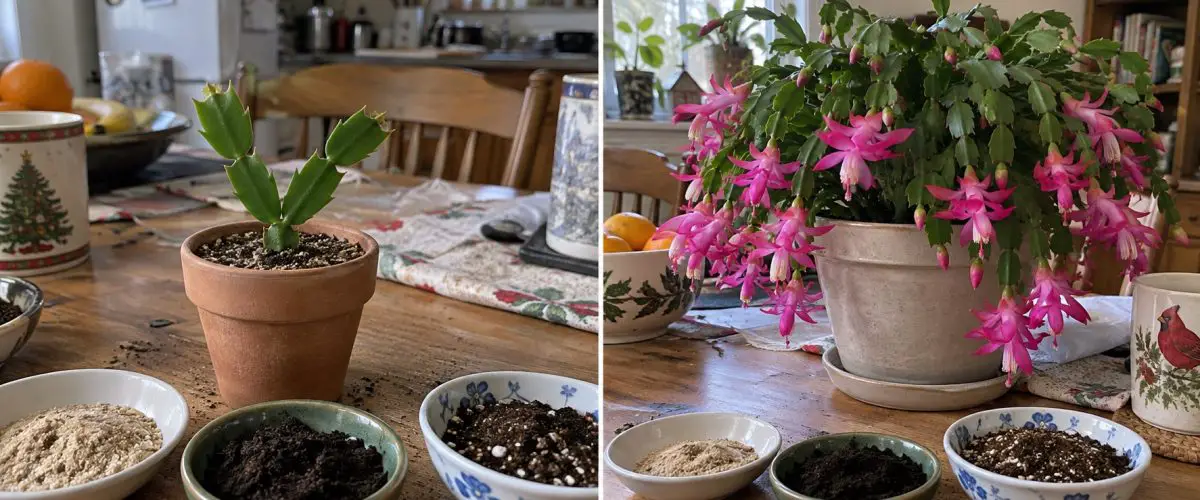
For propagation, take a small segment shaped like a Y from the end of a stem. The cutting must come from a healthy section of the cactus. Select that healthy growth before cutting, so the little piece you are preparing for planting starts from a suitable part of the parent plant.
Insert about a quarter of the segment’s total length into a slightly sandy growing medium. Make the soil evenly moist. Stand the container somewhere bright, with protection from direct sun, so the cutting receives light without being placed in the sunlight itself.
Cut shoots from the tips at the second joint to generate roots for new plants. Within a few weeks, the cut portion should show growth. At that stage, transfer it to a separate pot filled with soil, compost, and sand mixed together.
The Care Routine That Encourages Healthy, Abundant Blooming
A Christmas cactus does not require special treatment. A few small adjustments to its care are enough to ensure healthy and abundant flowering, so focus on the everyday conditions described here.
Although it adjusts easily to dimmer places, this plant flowers more generously in brighter surroundings. Keep it in a luminous, protected corner. Direct sunlight may scorch the leaves, which is why a bright position still needs shelter from those direct rays.
Give watering particular attention in spring and summer. Frequent, plentiful watering keeps the growing medium moist, but water must not stand in the pot. Allow some drying between waterings without letting the soil dry out completely. Excess water can cause the roots to rot.
The preferred temperature range is 15°C to 21°C, with moderate humidity. To raise the humidity around the plant, you can place a water-filled pebble tray underneath its pot. This is a simple way to provide the conditions described for the cactus.
After the flowers finish, usually in autumn, allow its dormant cycle to run its course. Cut back on watering and reduce the light. Provide no less than 12–14 hours of darkness, with temperatures between 10°C and 12°C. Avoid cold drafts and keep the plant away from heat sources such as radiators and stoves.
A well-maintained Christmas cactus can reward you with frequent flowering cycles, including blooms that arrive unexpectedly.